




What's Happening?
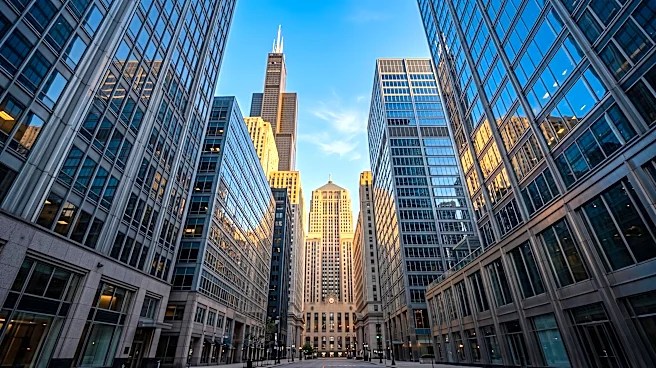
The Chicago Loop is experiencing a significant revitalization of its restaurant scene following widespread closures during the COVID-19 pandemic. Many downtown restaurants, unable to sustain business due to reduced foot traffic, shut their doors. However,
a new wave of establishments is now opening, with nearly 20 restaurants, cafes, and dessert shops launching in the spring, and another 20 expected in the summer or fall. This resurgence is attributed to landlords offering more generous terms, including lower rents, to attract new tenants. The new businesses include international brands, national chains, and local entrepreneurs, and are spread across the central business district, not just near the tourist-heavy Chicago River. This trend indicates a renewed confidence in the Loop's potential as a vibrant commercial and residential hub.
Why It's Important?
The revitalization of the Loop's restaurant sector is crucial for the broader economic health of downtown Chicago. A thriving culinary scene enhances the appeal of the central business district for office workers, residents, and tourists, contributing to increased foot traffic and economic activity. Commercial real estate brokers note that new restaurants can boost building values and improve tenant experiences, making the Loop a more attractive location for businesses and residents. The willingness of landlords to offer more favorable lease terms is a key factor in enabling local entrepreneurs to establish a presence downtown, fostering innovation and diversity in the dining landscape. This trend also signals a potential shift in the Loop's identity, moving beyond a purely business-focused area to one that offers a more comprehensive lifestyle experience, including dining and social opportunities, which is vital for its long-term sustainability and growth.
What's Next?
The ongoing influx of new restaurants is expected to continue, particularly with major developments like Google's new regional headquarters in the renovated James R. Thompson Center slated to open in mid-2027, bringing thousands of new employees to the area. This will further boost demand for dining options. Additionally, the city's LaSalle Corridor Revitalization plan, which finances office-to-residential conversions, and other privately financed conversions, will bring thousands of new residents to downtown, creating a new customer base for restaurants beyond the traditional lunchtime crowd. This suggests a future where Loop restaurants will cater to a seven-day-a-week demand, including dinner and weekend breakfast, transforming the area into a more dynamic social destination. The success of these new ventures will likely encourage further investment and development in the Loop's hospitality sector.
Beyond the Headlines
The transformation of the Loop's restaurant scene reflects a broader urban adaptation strategy in the wake of the pandemic. Cities are re-evaluating the purpose and design of central business districts, moving towards mixed-use environments that integrate work, living, and leisure. This shift has cultural implications, as it fosters a more vibrant and diverse urban experience, potentially attracting a younger demographic seeking dynamic social spaces. Economically, it highlights the resilience of local entrepreneurship when supported by adaptive commercial policies, such as flexible leasing terms. The emphasis on creating 'experiences' rather than just services also points to an evolving consumer demand for unique and engaging environments. This trend could serve as a model for other urban centers grappling with post-pandemic recovery, demonstrating how strategic investment in hospitality and residential development can breathe new life into downtown areas.