

What's Happening?
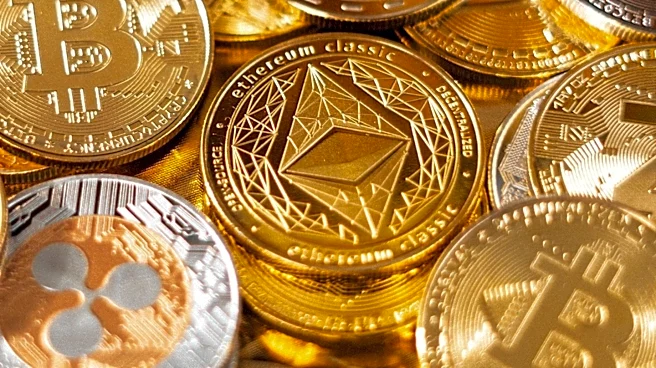
XRP, a cryptocurrency associated with Ripple, is currently trading at $0.93, which is approximately 74.5% below its all-time high of $3.65. Analysis suggests that for XRP to return to this peak by November 2036, its market capitalization would need to reach
a staggering $363.2 billion. This is more than six times its current market value of $58.9 billion. The challenge is compounded by Ripple’s escrow system, which releases about 300 million XRP into circulation monthly, potentially bringing the total supply to 99.5 billion by 2036, close to its 100 billion cap. This increasing supply means that each price target requires a larger market value to be achieved. Historically, XRP has experienced two major drops of around 70%, with recovery periods ranging from three to seven years. Recent data from mid-November indicates that U.S. spot XRP funds, such as the Bitwise XRP ETF, saw their assets drop to approximately $990 million from $1.15 billion, reflecting outflows and a declining price.
Why It's Important?
The trajectory of XRP holds significant implications for investors in the cryptocurrency market, particularly those holding or considering investments in digital assets. The substantial market capitalization required for XRP to regain its previous highs highlights the immense capital inflow needed, which could influence investor sentiment and broader market dynamics. The slow recovery periods observed historically for XRP, ranging from three to seven years after significant drops, underscore the long-term patience required from investors. This also serves as a case study for the volatility and recovery patterns within the cryptocurrency sector. The decline in assets held by U.S. spot XRP funds indicates a potential cooling of institutional interest or a reaction to price depreciation, which could further impact XRP's market performance and liquidity. For the wider digital asset ecosystem, XRP's struggle to attract consistent inflows could signal broader challenges in sustaining growth for established cryptocurrencies beyond Bitcoin.
What's Next?
The future performance of XRP will largely depend on several key factors, including sustained inflows into spot XRP funds and the overall sentiment in the cryptocurrency market. If U.S. spot XRP funds begin to see consistent inflows, it could make buying XRP more attractive and potentially support its price. Conversely, continued outflows could prolong the waiting period for existing holders to see a recovery. Investors will need to monitor the monthly release of XRP from Ripple's escrow system, as the increasing circulating supply will continue to demand higher market capitalization for price appreciation. The ability of XRP to attract new capital and overcome its historical recovery patterns will be crucial. While some forecasts, like Standard Chartered's prediction of XRP reaching $28 by 2030, offer a bullish outlook, the immediate future will likely be shaped by market demand and investor confidence in its long-term viability.
Beyond the Headlines
The challenges faced by XRP extend beyond mere price fluctuations, touching upon fundamental aspects of cryptocurrency market dynamics and investor psychology. The need for a massive increase in market capitalization to reach previous highs highlights the inherent difficulty for older cryptocurrencies to maintain exponential growth as their supply increases and market saturation occurs. This situation also brings to light the evolving role of institutional investment vehicles like spot ETFs in the crypto space. While ETFs are designed to bring more mainstream capital, their performance can also reflect and amplify market sentiment, as seen with the recent outflows from XRP funds. Furthermore, the long recovery periods for XRP underscore the speculative nature of many digital assets and the importance of long-term investment horizons, contrasting with the rapid gains often associated with the crypto market. This scenario could influence regulatory discussions around investor protection and market stability in the digital asset sector.