



What's Happening?
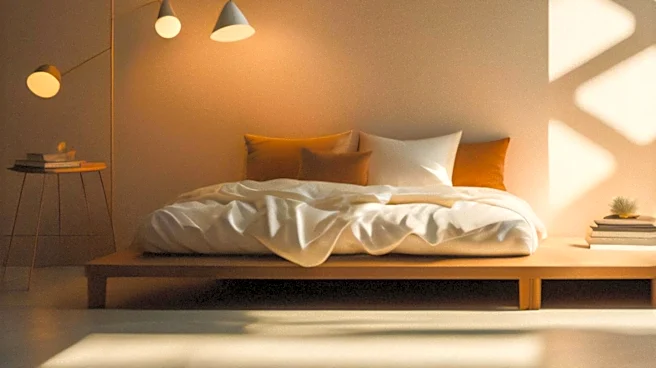
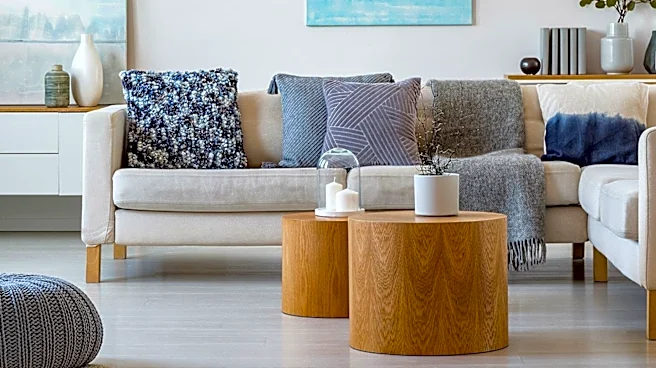
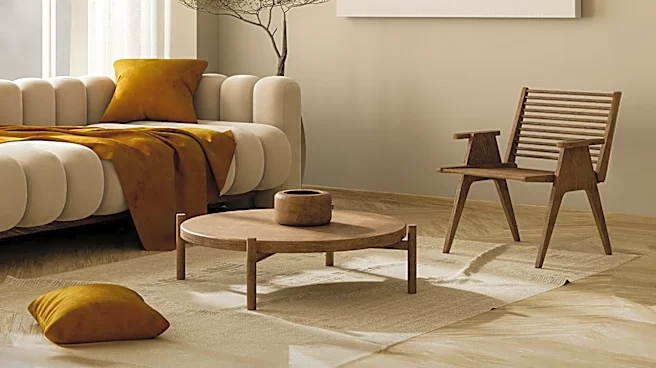
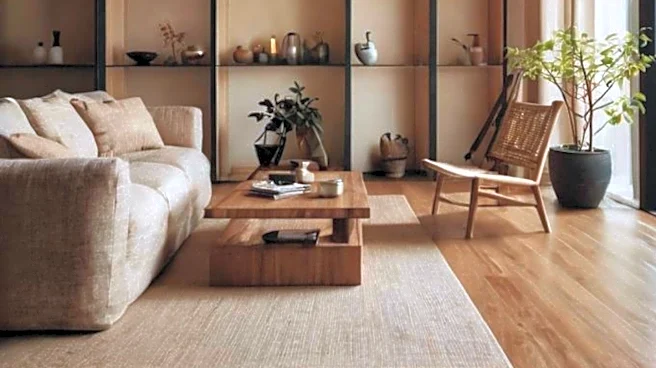
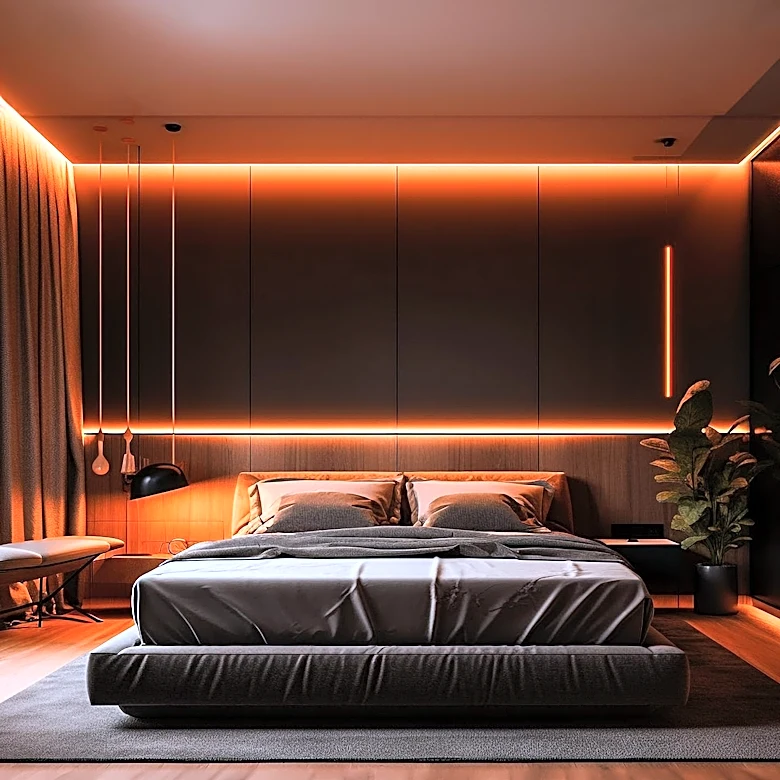
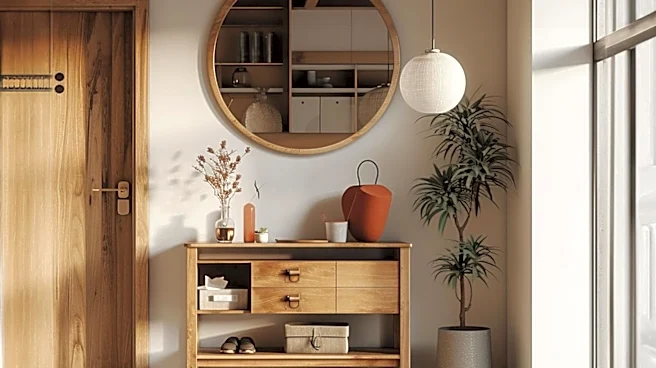
Japandi is an emerging interior design style that fuses Japanese and Scandinavian design principles. This aesthetic emphasizes quiet proportion, functional forms, natural materials, and a sense of restraint without appearing sterile. It combines the craftsmanship
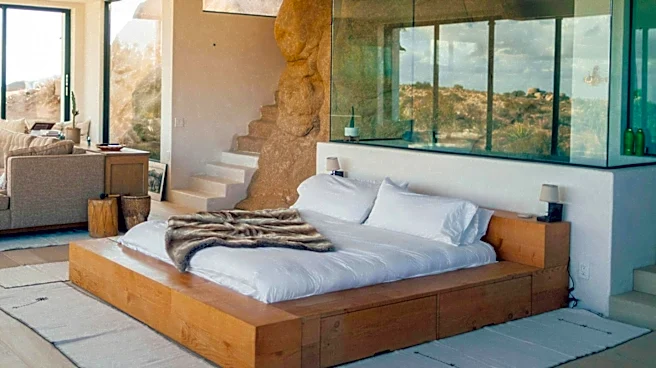
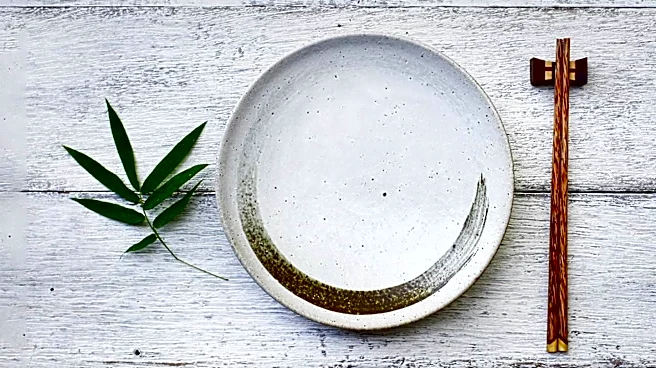
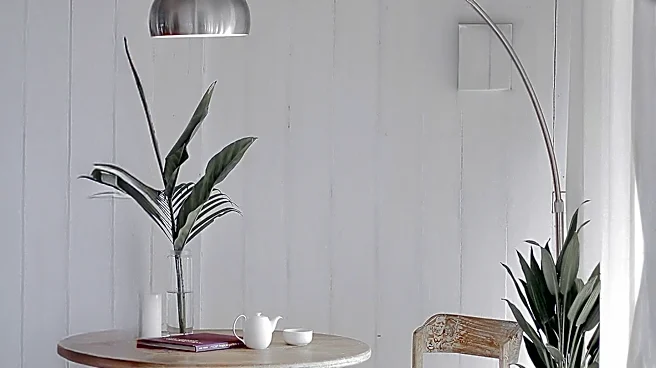
and contemplative mood of Japanese interiors, often featuring low furniture and handmade forms, with the warmth, comfort, and practicality characteristic of Scandinavian design. The result is a calm and livable space that conveys quiet luxury. Key elements include the use of natural timber, stone, and ceramic, a balance of light and dark tones, and a focus on simplicity with a few carefully chosen objects rather than clutter. The style avoids excessive ornamentation, bright colors, and stark whites, favoring soft, earthy neutrals to create an inviting atmosphere.
Why It's Important?
The rise of Japandi design reflects a broader societal shift towards mindfulness, sustainability, and a desire for tranquil living environments in the U.S. and globally. As consumers increasingly seek to reduce clutter and create more intentional spaces, Japandi offers a compelling aesthetic that promotes well-being and a connection to nature. This trend impacts the furniture, home decor, and interior design industries, driving demand for natural materials, minimalist designs, and artisanal products. Businesses in these sectors may find opportunities in offering Japandi-inspired collections, while designers can cater to clients seeking serene and functional homes. The emphasis on durability and natural materials also aligns with growing environmental consciousness, potentially influencing manufacturing practices and consumer purchasing habits towards more sustainable options.
What's Next?
The Japandi design trend is expected to continue gaining traction, influencing product development in home furnishings, textiles, and decor. Manufacturers may introduce more lines featuring pale oak, ash, walnut, and natural stone, along with textiles like linen, cotton, and boucle. Retailers are likely to curate collections that highlight the blend of Japanese and Scandinavian aesthetics, focusing on minimalist forms and natural textures. Interior designers will increasingly incorporate Japandi principles into residential and commercial projects, emphasizing decluttering, soft lighting, and a balanced palette of light and dark tones. Educational resources and workshops on Japandi styling may also become more prevalent as consumers and professionals seek to understand and implement this aesthetic effectively.
Beyond the Headlines
Beyond its aesthetic appeal, Japandi design embodies a philosophical approach to living that prioritizes simplicity, functionality, and a deep appreciation for natural beauty. It encourages a mindful consumption pattern, where quality and longevity are valued over quantity and fleeting trends. This design philosophy can foster a sense of calm and reduce stress in daily life by creating uncluttered and harmonious environments. Ethically, the emphasis on natural and often handmade materials can support sustainable practices and local artisans. Culturally, Japandi represents a successful cross-cultural fusion, demonstrating how distinct design traditions can converge to create a universally appealing and impactful style that resonates with contemporary values of well-being and environmental responsibility.