

What's Happening?
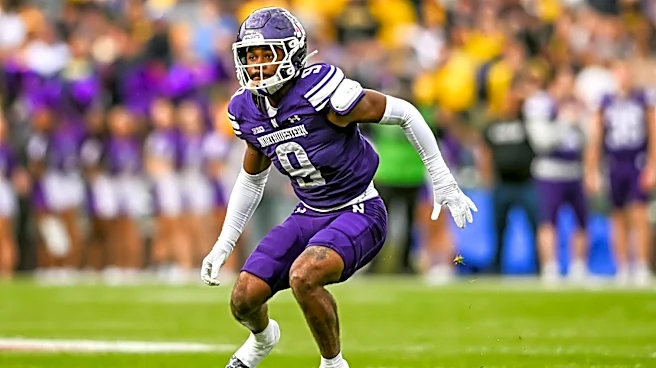
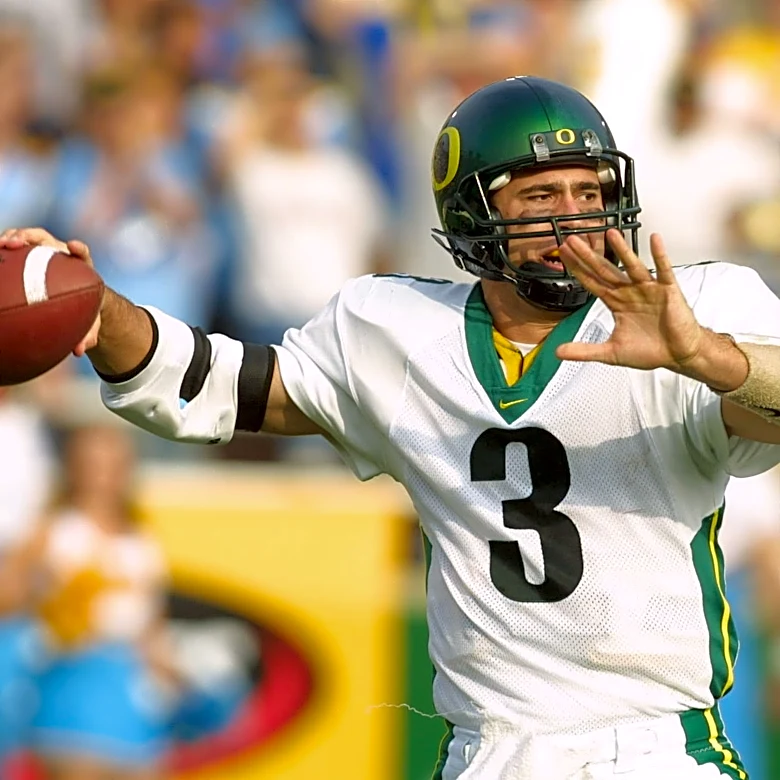
Oregon coach Dan Lanning has voiced strong opposition to the recent judicial decision allowing some NFL players to return to college football for a fifth year of eligibility in 2026. This ruling, stemming from a Louisiana judge's order, has made players like
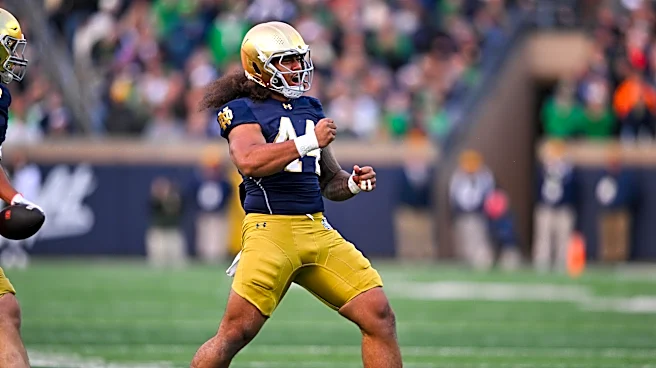
Jack Pyburn and Dae'Quan Wright eligible to consider rejoining college rosters, even after participating in NFL offseason programs. Lanning argues that once an athlete signs an NFL contract or declares for the draft, they should be considered a professional and lose their amateur status. He believes that allowing these players to return is unfair to the sport and to current college athletes, especially given the existing roster limits under the House settlement. Lanning highlighted that bringing back former NFL players would necessitate removing current team members who have dedicated their time and effort to the program.
Why It's Important?
This issue has significant implications for the integrity and structure of college football. Lanning's concerns reflect a broader debate about the definition of amateurism in collegiate sports and the potential for an uneven playing field. The influx of experienced, professional-level athletes could displace current college players, impacting their scholarship opportunities and development. Furthermore, it raises questions about roster management and fairness, as teams that can attract former NFL players might gain an undue advantage. The situation also underscores the ongoing legal challenges to NCAA eligibility rules, which are attempting to adapt to a rapidly changing landscape that includes Name, Image, and Likeness (NIL) rights and increased player mobility. The outcome of these legal battles could fundamentally reshape the competitive balance and player pathways in college athletics.
What's Next?
The eligibility of former NFL players to return to college football remains a contentious issue, with ongoing legal challenges and varying judicial rulings. While the Louisiana case has granted eligibility to some, a Tenth Circuit stay has rendered others ineligible, creating uncertainty. The NCAA has indicated it does not plan to retroactively change its new five-year, age-based eligibility model, suggesting that further legal battles are likely. Coaches like Dan Lanning will continue to advocate for clearer distinctions between amateur and professional status. The situation may lead to new NCAA policies or further court interventions to establish consistent rules regarding player eligibility, potentially impacting future recruiting strategies and roster construction across college football programs.
Beyond the Headlines
The debate over NFL players returning to college football touches upon deeper ethical and structural questions within sports. It highlights the tension between player autonomy and the traditional amateur model of collegiate athletics. The financial incentives of professional sports, coupled with the evolving legal landscape, are blurring the lines between amateur and professional careers. This situation could lead to a re-evaluation of how college sports are governed, potentially pushing towards a more professionalized model where athletes are compensated more directly and have greater control over their careers. It also raises questions about the long-term impact on player development, as the pathway from high school to college to professional sports becomes increasingly complex and potentially less equitable for all athletes.