




What's Happening?
Northwest Indiana is emerging as a prime location for future development projects, with site selectors actively evaluating the region. Michele Murday Pariso, environmental and public policy director for the Northwest Indiana Forum, informed the Northwestern
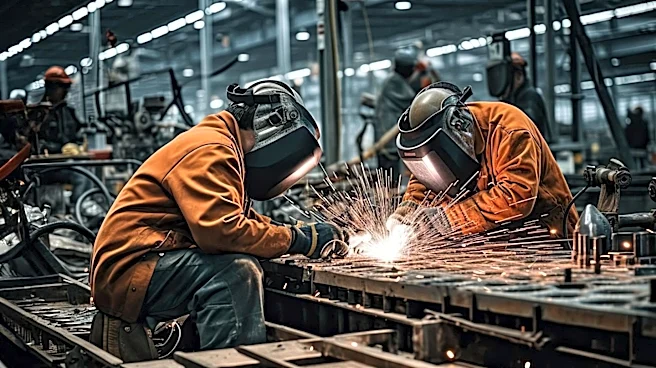
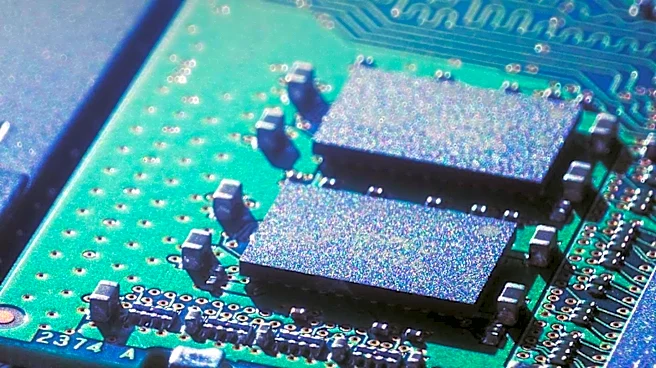
Indiana Regional Planning Commission that the Indiana Economic Development Corp. shared information on 54 projects with the NWI Forum between April and October. These projects represent nearly $28 billion in capital investments, with individual investments ranging from $75,000 to a $10 billion semiconductor manufacturer. The average capital investment for 46 of these projects was almost $600 million, and 50 projects collectively projected over 23,000 jobs. Site selectors are particularly interested in defense and aerospace, food and agriculture, life sciences, digital infrastructure and technology, energy and electrification, and advanced manufacturing sectors. The region's strong transportation infrastructure, including railroads and its proximity to Lake Michigan, makes it an attractive hub for logistics and manufacturing.
Why It's Important?
The increased attention from site selectors and the potential for significant capital investments underscore a pivotal moment for Northwest Indiana's economic future. The projected 23,000 jobs across various high-growth sectors could substantially boost local employment rates, attract new talent, and diversify the region's economy beyond traditional industries. This influx of investment could lead to enhanced infrastructure development, including improvements in transportation networks and utilities, which would benefit both businesses and residents. Furthermore, the focus on advanced manufacturing, technology, and life sciences indicates a shift towards higher-value industries, potentially increasing average wages and fostering innovation within the region. Communities that are prepared with readily available site information and responsive economic development teams stand to gain the most, as the speed of response is a critical factor for site selectors. This development could also position Northwest Indiana as a key player in national economic growth, attracting further investment and talent.
What's Next?
Northwest Indiana communities must prioritize site readiness to capitalize on these opportunities. Murday Pariso emphasized that communities need to identify desired development types and suitable locations, ensuring they are prepared when opportunities arise. This includes populating tools like Zoom Prospector with detailed site information, such as latitude, longitude, size, local occupations, and existing businesses. The inclusion of Phase 1 environmental reports can also be a significant advantage. Economic development directors face tight deadlines, with an average response time of 8.6 days for information requests, highlighting the need for efficient and proactive planning. NIPSCO, for instance, supports communities with drone videos to market their sites, and communities should be ready to provide detailed information on utility extensions and costs. Long-term planning, initiated years in advance, is crucial for securing these large-scale projects and ensuring sustained economic success for the region.
Beyond the Headlines
The emphasis on site readiness and the use of AI tools by site selectors highlight a growing trend in economic development where data and digital preparedness are paramount. Communities that fail to adequately populate online databases with comprehensive site information risk being screened out by AI, potentially missing out on significant investment opportunities. This underscores the need for local governments and economic development agencies to invest in digital infrastructure and data management. Furthermore, the demand for specific site characteristics, such as rail access, airport proximity, and the willingness to consider both brownfield and greenfield sites, reflects evolving industry needs and environmental considerations. The region's ability to attract a diverse range of industries, from semiconductor manufacturing to defense and aerospace, suggests a strategic advantage in its geographical location and existing infrastructure, which could lead to a more resilient and diversified economic base in the long term.