






What's Happening?
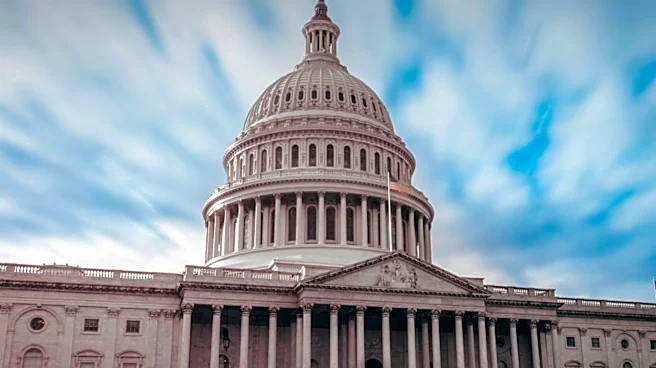
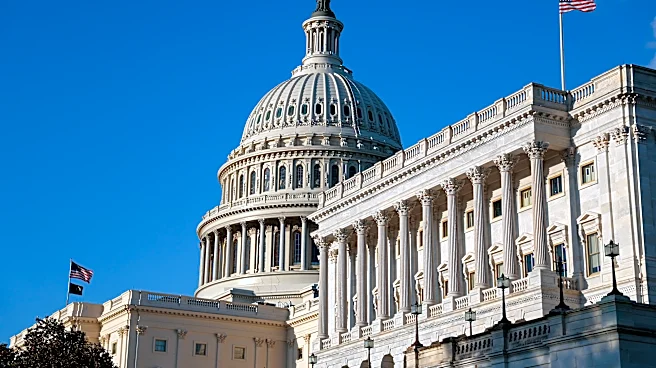
The Protect College Sports Act, co-sponsored by Senators Ted Cruz, Maria Cantwell, and Eric Schmitt, has been finalized and is set for review by U.S. Senators. The bill aims to address various issues in college sports, including mid-season coaching transitions,
transfer rules, and revenue-sharing. It also seeks to prevent the formation of a 'Super League' and includes provisions for a national registry for agents representing student-athletes. The bill's progress is uncertain due to a crowded legislative agenda, including sanctions on Russia and government funding measures. The bill has received endorsements from major conferences like the Big Ten and SEC, following significant revisions to address their concerns.
Why It's Important?
The Protect College Sports Act represents a significant legislative effort to reform college athletics, addressing long-standing issues such as athlete compensation, transfer policies, and the influence of major conferences. The bill's provisions could reshape the landscape of college sports, impacting athletes, coaches, and institutions. By regulating coaching transitions and transfer rules, the bill aims to create a more stable and fair environment for student-athletes. The inclusion of a national agent registry and stricter recruitment guidelines could enhance transparency and protect athletes from exploitation. The bill's focus on revenue-sharing and support for non-revenue sports highlights the ongoing debate over financial equity in college athletics.
What's Next?
The bill's future depends on its ability to secure a floor vote in the Senate, which may be delayed due to other pressing legislative priorities. If passed, the bill could lead to significant changes in college sports governance and operations. Stakeholders, including universities, athletic conferences, and student-athletes, will be closely watching the bill's progress and potential implications. The outcome could influence future discussions on athlete rights and the commercialization of college sports. Additionally, the bill's provisions for HBCUs could enhance support for these institutions, promoting greater equity in college athletics.