



What's Happening?
A study conducted by the Catholic University of the Sacred Heart, with support from the Italian Ministry of Agriculture, Food Sovereignty and Forestry (MASAF), challenges the perceived sustainability of meat and milk produced in bioreactors. The research,
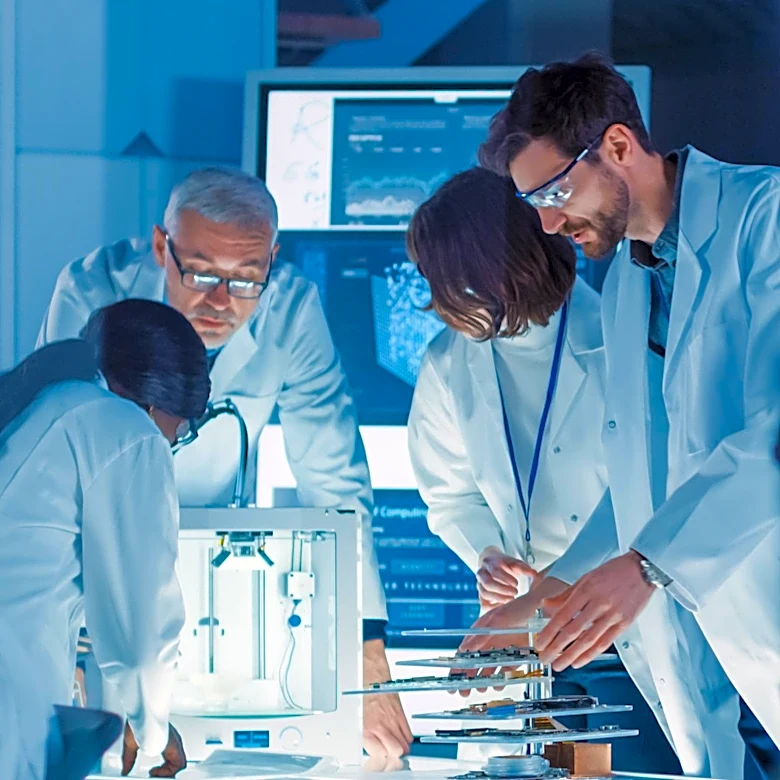
coordinated by Professor Pier Sandro Cocconcelli, examined the experimental production of bovine β-casein (A2 variant) using precision fermentation with genetically engineered yeast in pilot-scale bioreactors. The findings revealed very low yields, with only 0.3 grams of β-casein produced per liter of culture medium over 72–90 hours. Furthermore, the study, which utilized Life Cycle Assessment (LCA), indicated that the environmental impact of bioreactor-produced β-casein was more than 40 times higher, by weight, than that of the traditional product. This higher environmental footprint is attributed to substantial energy consumption and the chemical inputs required for cell growth.
Why It's Important?
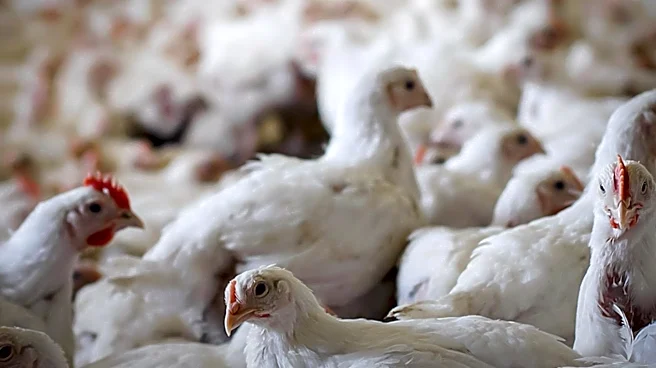
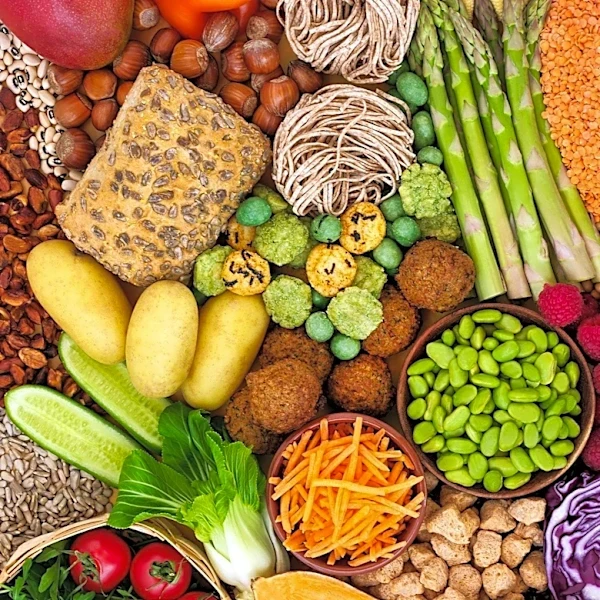
This study is significant because it directly questions the widely held assumption that laboratory-grown animal products are inherently more sustainable than traditional livestock farming. The high energy demands and chemical inputs identified in the research suggest that the environmental benefits often associated with bioreactor technology may be overstated, at least in its current state. If these findings are broadly applicable, they could reshape public perception and investment strategies in the alternative protein sector. For U.S. industries and consumers, this implies a need for more rigorous evaluation of the environmental claims made by companies developing cultivated meat and milk. It also highlights the complexity of achieving true sustainability in food production, suggesting that technological innovation alone may not be a panacea without addressing underlying resource consumption and efficiency challenges. The nutritional aspect, where reproducing a single protein does not equate to the complexity of whole foods, also raises concerns about potential dietary deficiencies if these products become a primary food source.
What's Next?
The findings of this study are likely to spark further debate and research into the environmental and nutritional profiles of bioreactor-produced foods. Professor Giuseppe Pulina, President of Carni Sostenibili, estimates that meeting projected global meat demand entirely through cultivated meat would require an enormous number of bioreactors, potentially leading to significantly higher CO2 equivalent emissions compared to increased traditional livestock production. This suggests that the scalability and environmental viability of current bioreactor technology need substantial improvement. Stakeholders, including food technology companies, investors, and regulatory bodies, will likely need to re-evaluate the sustainability metrics and claims associated with these products. Consumers may also become more discerning, demanding greater transparency regarding the environmental impact and nutritional completeness of alternative protein sources. Continued research and development will be crucial to address the identified limitations in yield, energy consumption, and nutritional complexity to make bioreactor-produced foods a truly sustainable and viable option.
Beyond the Headlines
The study's implications extend beyond environmental and nutritional concerns, touching upon ethical considerations and public perception. The drive towards these solutions often stems from animal welfare concerns, yet the research points out that laboratory approaches are not entirely independent of animal-derived inputs. This challenges the narrative of 'animal-free' production and could lead to a more nuanced understanding of the ethical landscape of cultivated foods. Furthermore, the study highlights a potential gap between perceived sustainability, often influenced by marketing and a desire for quick solutions to climate change, and the scientific data. This underscores the importance of critical evaluation and public education to ensure that technological advancements in food production genuinely contribute to environmental and health goals without unintended consequences. The findings could also fuel discussions about the role of traditional agriculture, emphasizing the need for sustainable practices within existing food systems rather than solely relying on novel technologies.