





What's Happening?
The National Football League (NFL) and the NFL Players Association (NFLPA) are currently in discussions to finalize the conditions under which NFL players can participate in flag football at the 2028 Olympic Games in Los Angeles. While the specific policy
details are still being worked out, these ongoing talks aim to remove any remaining obstacles for players interested in competing for an Olympic gold medal. Last year, NFL team owners unanimously approved a resolution supporting player involvement, which authorized the league's management council and other committees to negotiate necessary arrangements with the NFLPA, Olympic authorities, and national governing bodies. Key issues being addressed include establishing standards for field surfaces and medical care, ensuring player participation schedules do not conflict unreasonably with NFL commitments, and securing injury protections for players through insurance policies. The owners' resolution also proposed limiting Olympic participation to one player per NFL team on a single country's roster, alongside allowing any player in a team's international program to represent their country.
Why It's Important?
This negotiation is significant as it paves the way for professional American football players to compete on a global Olympic stage, potentially elevating the sport's international profile. The NFL has actively promoted flag football as a means to expand its fan base, boost youth participation, and broaden its global appeal. The inclusion of flag football in the Olympics aligns with this strategy, offering a unique platform for the sport's growth. For players, it presents an unprecedented opportunity to represent their country and compete for an Olympic medal, a sentiment publicly expressed by star quarterbacks like Josh Allen and Joe Burrow. The successful resolution of these negotiations could set a precedent for future collaborations between professional sports leagues and international Olympic committees, demonstrating a model for balancing professional commitments with national representation. Furthermore, the NFL's investment in flag football, including launching professional leagues and promoting it at various educational levels, underscores its commitment to making football a more accessible and globally recognized sport.
What's Next?
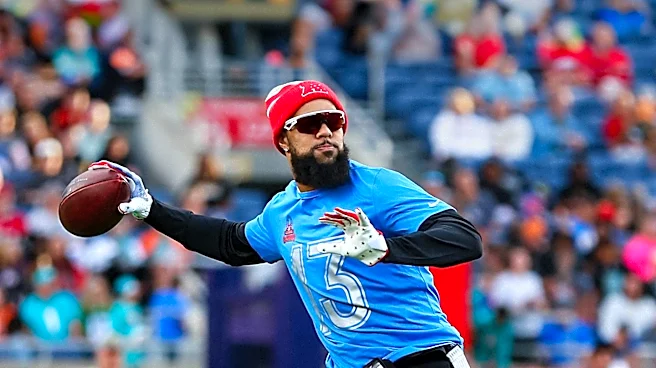
The timeline for concluding these negotiations remains unclear, but both players and teams will likely seek clarity on the policies well in advance of the 2028 Games. Participating NFL players will need to engage in flag football practices and preparations leading up to the Olympic competition. The flag football tournament at the 2028 Games is scheduled for July 15–22, which, under the current offseason structure, presents minimal conflict with NFL training camps. The competition will feature men's and women's tournaments, each with six teams, and games will be held at BMO Stadium in Los Angeles. The NFL and NFLPA's recent history of cooperative efforts on various measures, such as a new player-accountability system and an enhanced behavioral health network, suggests a constructive environment for these ongoing discussions. The league's decision to eliminate the postseason Pro Bowl game in favor of flag football content further emphasizes its strategic shift towards promoting the Olympic format.
Beyond the Headlines
Beyond the immediate implications for player participation, this development highlights a broader strategic shift within the NFL to globalize American football through its flag variant. The league views flag football as a crucial entry point for international expansion, fostering a more inclusive and accessible version of the sport. This initiative could lead to increased international interest in American football, potentially opening new markets for the NFL and its associated businesses. The ethical dimension of balancing player safety, professional obligations, and the desire for Olympic glory is also at play, requiring careful consideration of insurance, medical care, and scheduling. The involvement of NFL stars could significantly boost the visibility and legitimacy of flag football as a competitive sport, potentially inspiring a new generation of athletes worldwide. This move also reflects a growing trend of professional sports leagues adapting to global sporting events, seeking to leverage their influence and talent on a larger international stage.