



What's Happening?
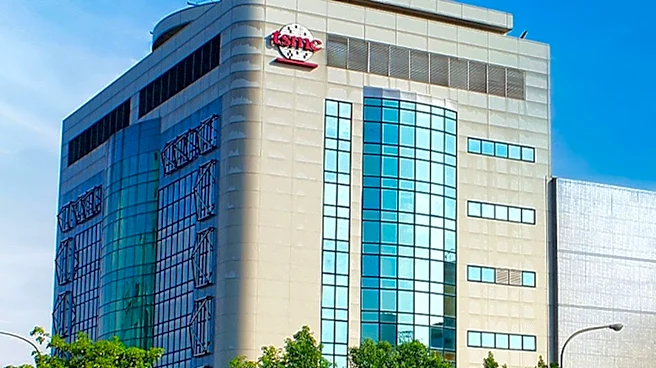
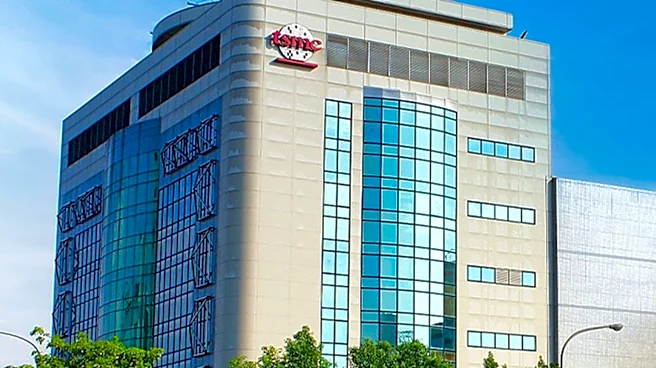
Sculptor Capital LP has significantly increased its holdings in Taiwan Semiconductor Manufacturing Company Ltd. (TSMC) by 38.6% during the first quarter, as reported in its latest 13F filing with the SEC. The institutional investor now owns 323,000 shares
of TSMC, having purchased an additional 90,000 shares. This acquisition makes TSMC the 17th largest position in Sculptor Capital LP's investment portfolio, valued at $109,158,000. Other institutional investors have also modified their holdings in TSMC, indicating a growing interest in the semiconductor company. Analysts have given TSMC a 'Buy' rating, with several increasing their price targets, reflecting positive sentiment towards the company's future performance.
Why It's Important?
The increased investment in TSMC by Sculptor Capital LP and other institutional investors highlights the growing confidence in the semiconductor industry, particularly in companies involved in AI-driven technologies. TSMC's strong earnings and strategic investments in U.S. chipmaking signal robust demand for advanced chips, which are crucial for AI infrastructure. This trend could have significant implications for the U.S. economy, as it may lead to increased job creation and technological advancements. The semiconductor sector's growth is vital for maintaining the U.S.'s competitive edge in global technology markets.
What's Next?
TSMC's commitment to investing $100 billion in U.S. chipmaking suggests a long-term strategy to expand its footprint in America. This move is likely to attract further investments and partnerships, potentially leading to more manufacturing facilities and job opportunities in the U.S. The company's planned price increases for 2027 indicate strong pricing power, but may also spark discussions about the affordability of AI chips for customers. Stakeholders will be closely monitoring these developments to assess their impact on the semiconductor market and broader economic trends.
Beyond the Headlines
The semiconductor industry's expansion, driven by companies like TSMC, could lead to ethical and legal considerations regarding data privacy and security, especially as AI technologies become more integrated into everyday life. Additionally, the environmental impact of increased chip production may prompt discussions on sustainable manufacturing practices. As the industry grows, there may be cultural shifts in how technology is perceived and utilized, influencing consumer behavior and societal norms.