



What's Happening?
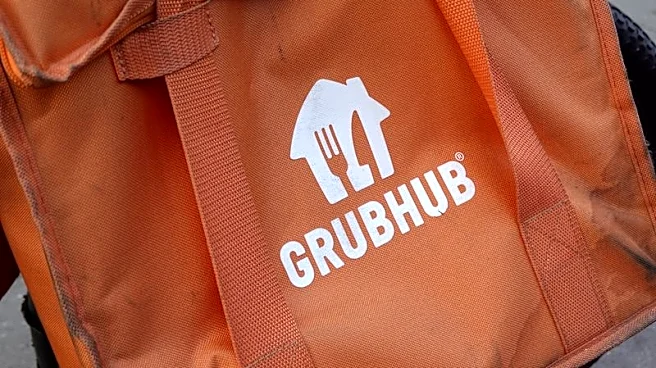
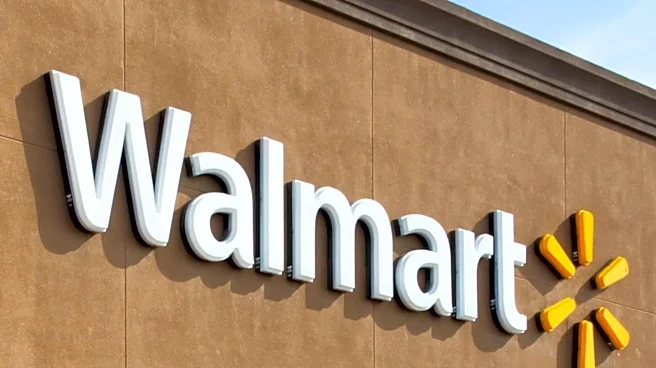
Wonder, founded by former Walmart executive Marc Lore, is reportedly exploring the sale of Grubhub, a food delivery company it acquired in November 2024 for $650 million. Bankers have approached major retailers such as Walmart, Target, and Kroger regarding
a potential acquisition. This development follows Wonder's recent sale of Grubhub's college-campus meal-delivery business to DoorDash for $300 million in September, a deal that also included a $125 million investment from DoorDash into Wonder. Wonder is also preparing for an initial public offering (IPO), having confidentially filed for it on November 5. Lore launched Wonder as a mobile 'on-demand home dining' experience, combining food trucks and ghost kitchens, and has also introduced an AI-powered 'restaurant builder' service. Grubhub's share of the meal-delivery market and its active user base have reportedly declined in recent years.
Why It's Important?
The potential sale of Grubhub to a major retailer like Walmart, Target, or Kroger could significantly reshape the U.S. food delivery and retail landscape. For Wonder, divesting Grubhub could streamline its operations and focus ahead of its anticipated IPO, potentially improving its valuation and market appeal. For the acquiring retailer, integrating Grubhub could provide a substantial entry or expansion into the rapidly evolving meal delivery sector, leveraging existing customer bases and logistics networks. This move also highlights the increasing convergence of e-commerce, grocery, and food delivery services, as traditional retailers seek to offer more comprehensive solutions to consumers. The declining market share of Grubhub underscores the intense competition in the food delivery space, dominated by players like DoorDash, and the strategic challenges faced by companies in this sector.
What's Next?
Wonder is expected to continue its preparations for an initial public offering, with the potential sale of Grubhub being a key strategic move in this process. The discussions with Walmart, Target, Kroger, and other retailers will likely progress, determining if a suitable buyer and terms can be found for Grubhub. The outcome of these negotiations will influence the competitive dynamics of the food delivery market, potentially leading to further consolidation or new strategic partnerships. Retailers involved will need to assess the value proposition of acquiring Grubhub, considering its declining user base against the potential for synergy with their existing operations. The U.S. Justice Department is also reviewing DoorDash's acquisition of Instacart, indicating increased regulatory scrutiny over mergers in the delivery sector, which could influence future deals.
Beyond the Headlines
This potential transaction reflects a broader trend of diversification and vertical integration within the U.S. retail and technology sectors. Companies are increasingly looking to control more aspects of the consumer experience, from product selection to last-mile delivery. For retailers, acquiring a food delivery platform like Grubhub could offer valuable data on consumer dining habits, enabling more targeted marketing and personalized services. It also signifies the ongoing evolution of the 'ghost kitchen' and 'on-demand' dining models, as companies like Wonder innovate to meet changing consumer demands for convenience and variety. The strategic maneuvering by Wonder, including its IPO plans and the divestiture of assets, illustrates the dynamic and often volatile nature of the tech and delivery industries, where rapid adaptation and strategic partnerships are crucial for survival and growth.