


What's Happening?
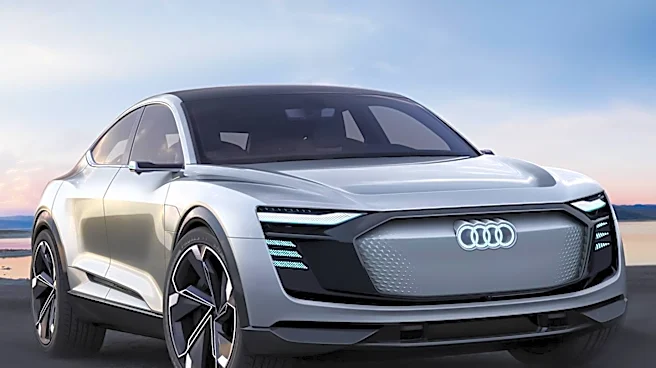
Audi has introduced the A2 e-tron, a new electric vehicle that sets a benchmark in efficiency through its use of lithium iron phosphate (LFP) battery technology. The A2 e-tron features a 61-kWh LFP battery that enhances energy density and safety while
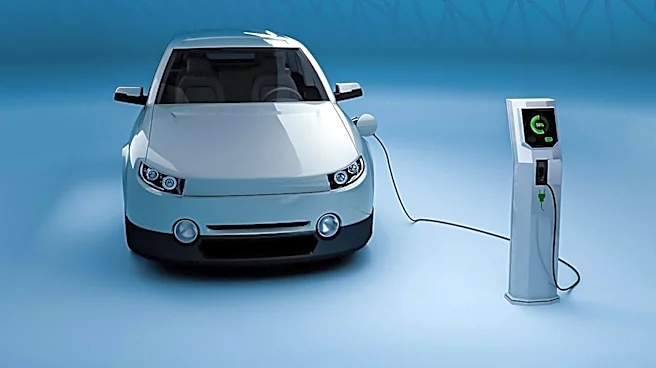
eliminating the need for rare earth elements. This battery technology is complemented by an intelligent operating strategy that includes advanced thermal management and charging electronics, achieving a charging efficiency of 89.6% at the wallbox. The vehicle also supports bidirectional charging, allowing it to function as an energy storage system. Aerodynamic improvements further reduce energy consumption, making the A2 e-tron a highly efficient option in Audi's compact lineup.
Why It's Important?
The introduction of the A2 e-tron highlights significant advancements in electric vehicle technology, particularly in battery efficiency and sustainability. By using LFP batteries, Audi addresses concerns about the environmental impact of rare earth elements and enhances the longevity and safety of the battery. This development is crucial as the automotive industry shifts towards more sustainable practices. The A2 e-tron's efficiency not only reduces energy consumption but also sets a new standard for electric vehicles, potentially influencing future designs and technologies in the industry. This could lead to broader adoption of electric vehicles, contributing to reduced carbon emissions and a more sustainable transportation sector.
What's Next?
Audi plans to unveil the A2 e-tron in fall 2026, expanding its portfolio with an all-electric entry-level model in the compact class. The vehicle's introduction is likely to prompt responses from competitors in the automotive industry, potentially leading to further innovations in electric vehicle technology. As the market for electric vehicles grows, manufacturers may increasingly focus on improving battery efficiency and sustainability. Additionally, the A2 e-tron's bidirectional charging capability could influence the development of smart grid technologies, integrating electric vehicles more closely with renewable energy sources and home energy systems.