








What's Happening?
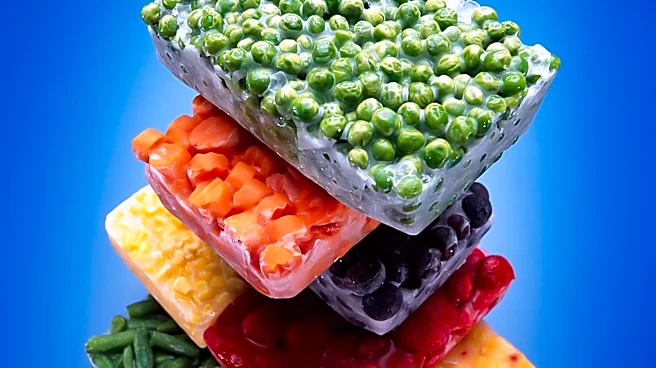
Millennials are reshaping the traditional definition of a home-cooked meal due to significant burnout and financial constraints, according to YourTango. Unlike previous generations, millennials frequently incorporate frozen foods and meal kits into their
cooking, considering these methods to still constitute a home-cooked meal as long as they are involved in the preparation. This shift is attributed to high stress levels, which reduce the priority of extensive cooking, and financial pressures that limit their ability to purchase groceries in the same manner as their parents' generation. The generation values convenience and practicality, adapting their culinary practices to fit their demanding lifestyles and economic realities. They are doing their best to maintain the concept of home-cooked meals within their limited resources, focusing on the act of making a meal rather than adhering to strict traditional standards.
Why It's Important?
This redefinition of home-cooked meals by millennials has broader implications for the U.S. food industry and societal norms. The increased reliance on frozen foods and meal kits signals a growing market for convenience-oriented food products, potentially driving innovation and investment in this sector. Food manufacturers and retailers may need to adapt their offerings to cater to this demographic's preferences, focusing on quality, variety, and ease of preparation. Socially, it reflects a generational adaptation to modern challenges, highlighting the impact of economic pressures and work-life balance issues on daily routines. It also challenges traditional views of domesticity and cooking, suggesting a more flexible and less rigid approach to meal preparation. This trend could influence future generations, further normalizing convenient cooking methods and potentially altering the cultural significance of 'cooking from scratch.'
What's Next?
The food industry is likely to continue observing and responding to these evolving millennial preferences. We can anticipate further development and marketing of convenient food solutions, including more sophisticated meal kits, pre-prepared ingredients, and frozen gourmet options. Retailers may also adjust store layouts and product placements to better serve customers seeking quick and easy meal solutions. Additionally, there might be a cultural shift in how cooking skills are perceived and taught, with a greater emphasis on efficiency and adaptation rather than solely traditional methods. Educational programs and culinary content creators may begin to integrate these modern approaches, acknowledging the realities faced by millennials and younger generations. This trend could also lead to discussions about the societal support systems needed to alleviate burnout and financial strain, which are underlying factors driving these changes in meal preparation.
Beyond the Headlines
The millennial approach to home-cooked meals points to deeper societal shifts beyond just culinary habits. It underscores the persistent economic challenges and high levels of burnout experienced by this generation, which impact fundamental aspects of daily life. The emphasis on convenience reflects a broader struggle to balance work, personal well-being, and financial stability. This trend also highlights a generational divergence in values, where efficiency and practicality are prioritized over labor-intensive traditions. It raises questions about the long-term effects of these pressures on family life, health, and cultural heritage. The acceptance of meal kits and frozen foods as 'home-cooked' could also signify a broader re-evaluation of authenticity and effort in various aspects of life, potentially influencing consumer behavior in other sectors where convenience and value are increasingly paramount. This adaptation is a testament to the resilience of millennials in navigating a complex modern world.