




What's Happening?
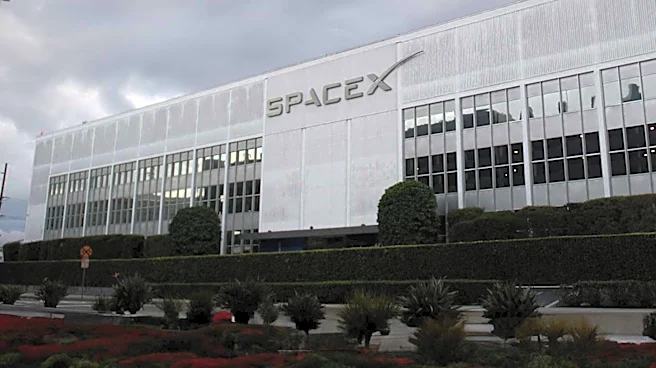
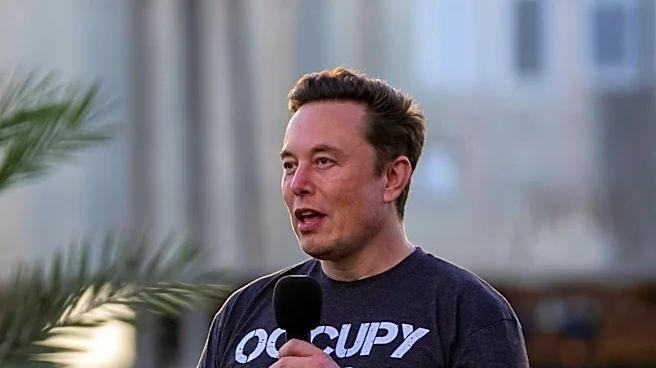
Elon Musk, CEO of SpaceX, has emphasized the company's strategy of developing its own power plants to address the significant energy demands of artificial intelligence (AI) data centers. This approach allows SpaceX to bring AI compute capacity online
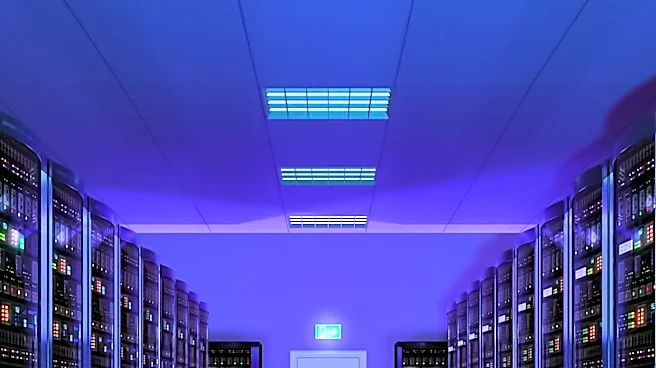
more rapidly than competitors who rely on existing grids. Musk noted that companies like Google and Anthropic are leasing computing capacity from SpaceX due to tightening power supplies within the AI industry. He stated that constructing their own power plants was the only way for SpaceX to achieve this speed. The need for massive power plants, transformers, liquid cooling systems, and complex networking is critical for large AI data centers. Musk also warned of an impending 'crisis of power' in the AI buildout, suggesting a significant power shortfall is expected next year, not in the distant future. This vertical integration strategy has also become a substantial business for SpaceX, with Google signing a multiyear cloud agreement and Anthropic expanding its pact for computing capacity.
Why It's Important?
The reliance on in-house power generation by a major tech player like SpaceX underscores a critical bottleneck in the rapid expansion of the AI industry: energy infrastructure. The projected consumption of U.S. data centers, estimated by Lawrence Berkeley National Laboratory to reach 11.8% of national electricity by 2030, highlights the immense strain on existing power grids. SpaceX's strategy of building its own power plants demonstrates a proactive solution to this challenge, potentially setting a precedent for other companies in the tech sector. This move could influence investment in energy infrastructure and encourage innovation in power generation and distribution to support technological advancements. The ability of companies to secure reliable and sufficient power directly impacts their capacity for AI development and deployment, which in turn affects their competitive edge and the overall pace of technological progress in the U.S. and globally. The 'power crunch' could also lead to increased costs for AI services and potentially slow down the adoption of advanced AI technologies if not adequately addressed.
What's Next?
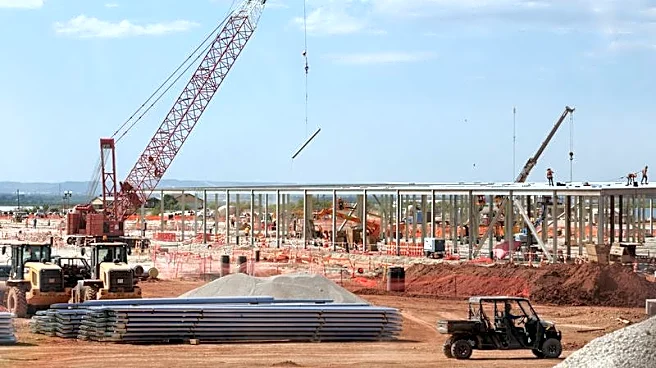
The immediate future will likely see continued efforts by tech companies to secure or develop robust energy solutions for their AI operations. SpaceX's model of vertical integration, including the development of gas-turbine manufacturing in Texas and the construction of a 1.2-gigawatt permanent power plant, suggests a trend towards self-sufficiency in energy for large-scale AI infrastructure. Other companies may explore similar strategies or invest heavily in renewable energy sources and grid improvements. The G20 Innovation Ministerial Summit, where Musk made these remarks, indicates that global leaders are recognizing the urgency of addressing energy demands for AI. Discussions around regulatory frameworks, particularly Musk's criticism of EU technology rules for inhibiting progress, suggest potential debates on how to balance innovation with environmental and infrastructural concerns. The ongoing demand for AI compute capacity will likely drive further investment in both AI technology and the underlying energy infrastructure required to support it, potentially leading to new partnerships between tech and energy sectors.
Beyond the Headlines
The 'power crunch' in the AI industry extends beyond mere technical challenges, touching upon broader societal and economic implications. The massive energy consumption of AI data centers raises significant environmental concerns, particularly regarding carbon emissions if power is generated from fossil fuels. This could intensify the debate around sustainable energy solutions and the environmental footprint of technological advancement. Furthermore, the ability of a few large corporations to develop their own power infrastructure could centralize control over critical resources, potentially creating new forms of economic disparity or competitive barriers for smaller players. The discussion around regulatory environments, as highlighted by Musk's comments on EU rules, also points to a fundamental tension between fostering rapid innovation and ensuring responsible development and equitable access to technology. The long-term shift towards AI-driven economies will necessitate a re-evaluation of energy policies, infrastructure planning, and international cooperation to manage the unprecedented demand for power while mitigating environmental and social impacts.