




What's Happening?
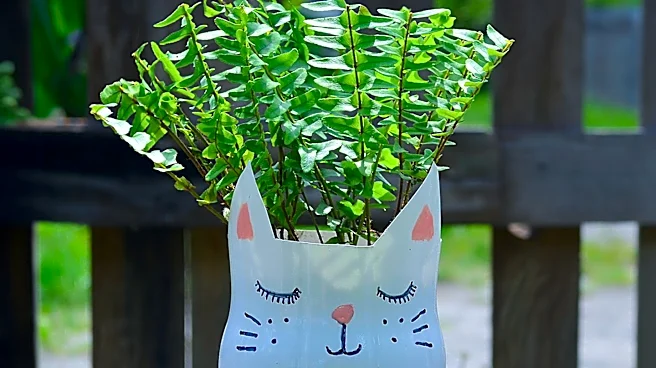
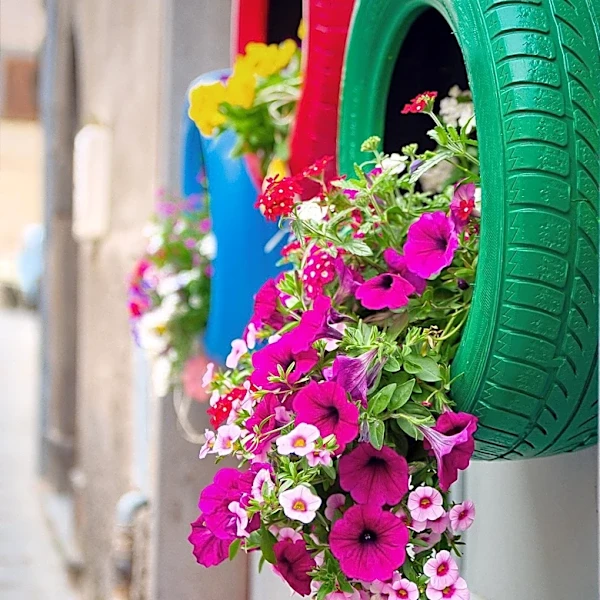
Upcycling is gaining traction as a sustainable practice that gives discarded materials a new purpose without breaking them down into raw forms. This process transforms items like old sarees into patchwork quilts, worn-out jeans into tote bags, and reclaimed
wood into dining tables. Unlike mass-produced goods, upcycled products often retain visible traces of their previous lives, such as faded patterns or uneven textures, which contribute to their unique appeal. Entrepreneurs and designers are embracing this movement, creating distinctive products that offer consumers an alternative to new purchases. The process involves collecting, sorting, cleaning, and assessing materials before repurposing them. This trend extends beyond textiles to include floral waste, which is converted into incense and natural dyes, and old furniture that is refurbished instead of discarded. The appeal for consumers often lies in the unique character and the story behind each piece, rather than solely environmental concerns.
Why It's Important?
The rise of upcycling is significant for several reasons, primarily its contribution to sustainability by extending product lifespans and reducing waste. By repurposing materials, it lessens the demand for new resources and manufacturing, thereby decreasing environmental impact. This practice also fosters new business opportunities for artisans and small businesses, utilizing local discarded materials and traditional craft techniques like stitching, weaving, and carpentry. For consumers, upcycled products offer unique, character-rich items that stand apart from mass-produced goods, often carrying sentimental value or a distinct aesthetic. However, the movement also faces challenges, including the labor-intensive nature of collecting and processing waste, inconsistent material supplies, and potentially higher production costs, which can affect consumer expectations regarding pricing. There's also a risk that the 'eco-friendly' label might encourage unnecessary consumption if not approached thoughtfully.
Beyond the Headlines
Beyond its immediate environmental and economic benefits, upcycling encourages a fundamental shift in how society perceives waste and consumption. It challenges the linear 'take-make-dispose' model by promoting a circular economy where materials are valued and reused. This movement fosters creativity and innovation in design, as artists and designers find new ways to transform discarded objects into functional and aesthetically pleasing items. Ethically, it promotes responsible consumption and production, urging consumers and businesses to consider the entire lifecycle of products. Culturally, upcycling can preserve heritage by reinterpreting traditional materials and crafts, giving them new relevance in contemporary contexts. The long-term implication is a potential reduction in landfill waste, a decrease in resource depletion, and the cultivation of a more mindful consumer culture that values longevity and uniqueness over disposability.