


What's Happening?
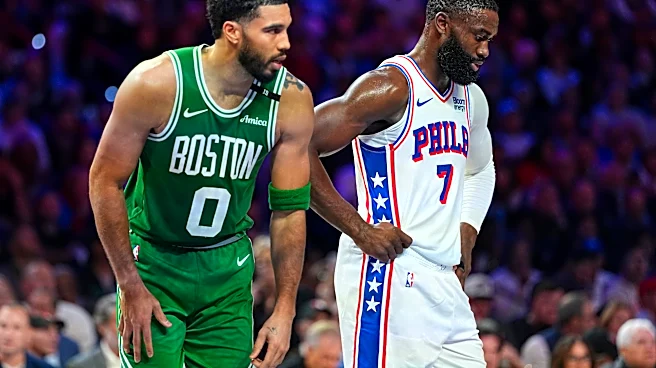
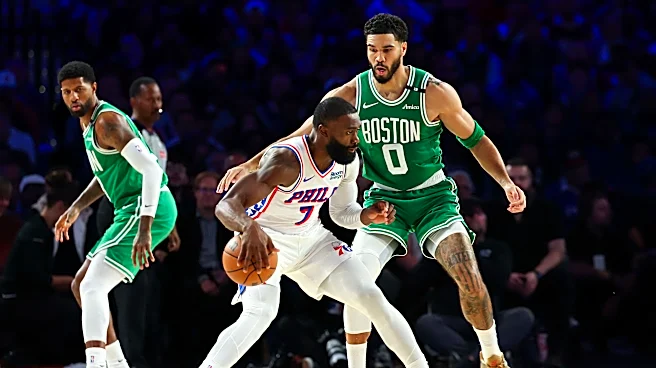
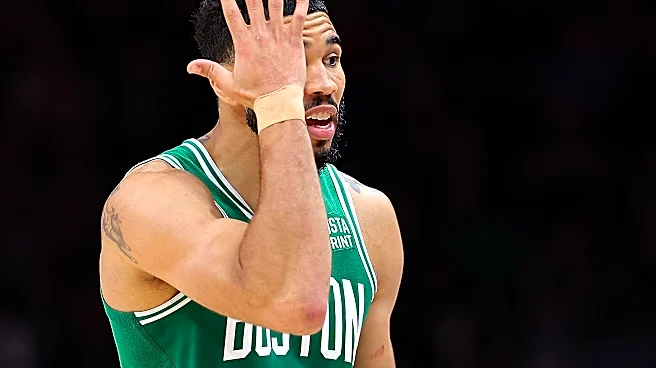
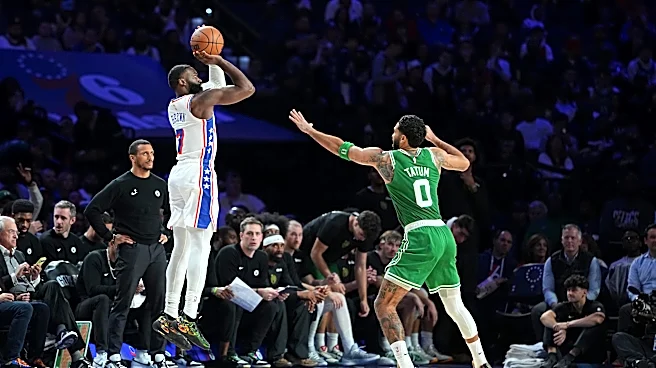
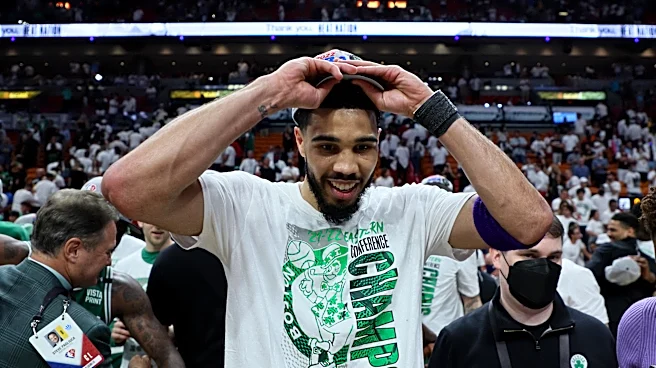
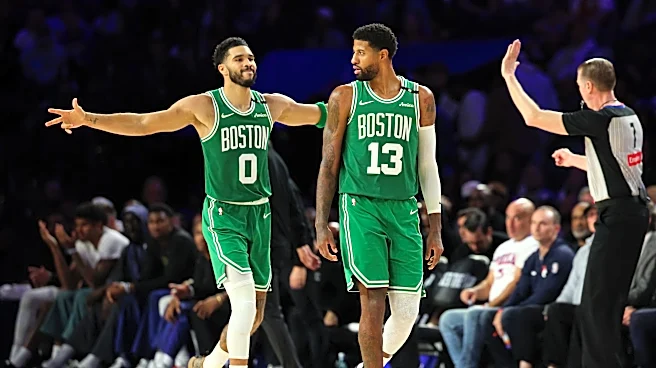
Jayson Tatum, a prominent player for the Boston Celtics, is experiencing an excellent start to the current NBA season in terms of scoring, assists, rebounding, and defense. However, his shooting efficiency is notably lower than his career averages, with
field goal percentage at 41.3% and 3-point percentage at 30.6%. His effective field goal percentage, which accounts for the value of 3-pointers, is currently the lowest of his career. Despite these struggles, an NBA statistic called 'shot difficulty' suggests that Tatum's shot selection is not the primary issue. His actual field goal percentage is five percentage points lower than his expected field goal percentage of 46.3%, indicating he is converting shots at a significantly lower rate than an average NBA player would given the difficulty of his attempts. This places him 103rd among 128 qualified players in this metric. Possible explanations for this dip in efficiency include his recovery from an Achilles injury, the early stage of the season, and potential adjustments to a new role following Jaylen Brown's departure.
Why It's Important?
Tatum's shooting efficiency is a critical component of the Boston Celtics' offensive strategy and overall team performance. While his current struggles are a concern, the underlying statistics, particularly the 'shot difficulty' metric, offer a nuanced perspective. This metric suggests that Tatum is taking good shots but simply not converting them at an expected rate. This distinction is important because it implies that the problem is more likely a temporary slump or an adjustment period rather than a fundamental flaw in his shot selection or offensive approach. If the issue were poor shot selection, it would indicate a more systemic problem requiring significant strategic changes. The expectation that his efficiency will improve as he fully recovers from his Achilles injury and settles into his role is crucial for the Celtics' long-term success this season. A more efficient Tatum would make the Celtics an even more formidable team, impacting their standing in the Eastern Conference and their championship aspirations.
What's Next?
There is a strong belief that Jayson Tatum's shooting efficiency will improve as the season progresses. As he continues to recover from his Achilles injury and becomes more comfortable in his role, his shooting percentages are expected to normalize and align more closely with his career averages and the 'expected field goal percentage' metric. The early season is often a period of adjustment for players, and Tatum's current performance in other areas, such as playmaking, rebounding, and defense, indicates that his overall game remains strong. If his shooting efficiency does indeed improve, the Celtics will benefit from an even more potent offensive weapon, further solidifying their position as a top contender. The team and fans will be closely monitoring his shooting performance in upcoming games, anticipating a return to his usual efficient scoring.
Beyond the Headlines
The focus on Jayson Tatum's shooting efficiency highlights the increasing sophistication of NBA analytics, particularly with the introduction of metrics like 'shot difficulty.' This statistic moves beyond simple percentages to provide a deeper understanding of a player's performance, differentiating between poor shot selection and a temporary shooting slump. This analytical approach can influence how teams evaluate players, develop strategies, and manage player expectations. For Tatum, it offers a narrative that supports patience and confidence in his process, rather than immediate concern over his overall game. It also underscores the physical and mental demands on elite athletes, where even minor injuries or role changes can temporarily impact performance, and the importance of allowing time for recovery and adaptation.