








What's Happening?
Gardyn has issued a comprehensive guide for U.S. consumers on selecting the best locations for their indoor vertical gardens within a home. The guide emphasizes practical considerations such as proximity to a grounded electrical outlet, a reliable 2.4GHz
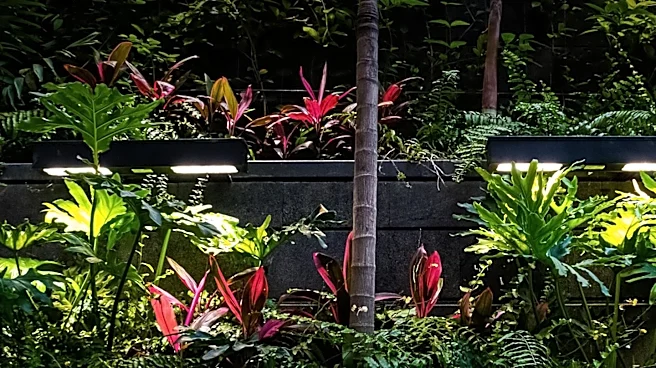
Wi-Fi signal, stable room temperatures between 68°F and 80°F, good airflow, and sufficient floor space for access. Ideal locations often include kitchens, living rooms, or home offices, while areas near heat vents, drafty windows, or direct hot afternoon sun should be avoided. The company also clarifies that its vertical gardens do not require natural window light, as their full-spectrum LED lights provide all necessary illumination, allowing for placement in windowless rooms. The guide also offers advice on how to integrate the garden into various rooms, from kitchens for easy herb access to living rooms where they can serve as decor.
Why It's Important?
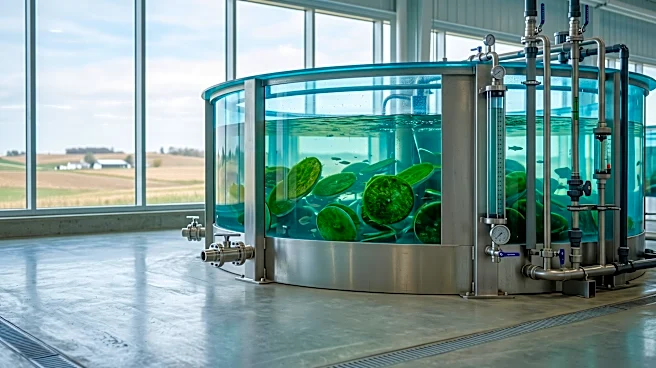
This guidance is important for U.S. consumers considering indoor gardening, as it addresses common challenges and optimizes the user experience. By providing clear parameters for placement, Gardyn helps ensure successful plant growth, which can lead to increased adoption of indoor gardening technologies. This trend contributes to the growing 'local food' movement and can enhance household food security by providing fresh produce year-round, regardless of climate or outdoor space limitations. For the business sector, clear user instructions can reduce customer support inquiries and improve product satisfaction, fostering brand loyalty. Furthermore, the emphasis on stable environmental conditions for plant growth highlights the technological advancements in controlled environment agriculture, making fresh produce more accessible to urban and suburban populations across the U.S.
What's Next?
As indoor vertical gardening gains popularity in the U.S., companies like Gardyn are likely to continue refining their product designs and user support to make the technology even more accessible and efficient. This could include developing more compact models for smaller living spaces, enhancing app functionalities for easier monitoring and control, and offering more diverse plant options tailored to indoor growing conditions. Educational resources on optimal placement and care will become increasingly crucial for new users. The market may also see an increase in complementary products, such as smart home integrations for environmental control or specialized plant nutrients. The long-term trend points towards indoor vertical gardens becoming a more common household appliance, contributing to sustainable living practices and personalized food production.
Beyond the Headlines
The rise of indoor vertical gardens like Gardyn signifies a broader cultural shift towards self-sufficiency and a desire for greater control over food sources. Beyond the practical benefits of fresh produce, these systems offer psychological advantages, such as reducing stress and enhancing well-being through biophilic design, especially in urban environments. The ability to grow food indoors year-round also challenges traditional seasonal eating patterns and reduces reliance on complex supply chains, potentially impacting food waste and carbon footprints. Ethically, it raises questions about the accessibility of such technology across different socioeconomic groups and the potential for indoor gardening to democratize food production. Legally, it might prompt discussions around energy consumption regulations for indoor growing systems and the labeling of produce grown in controlled environments.