





What's Happening?
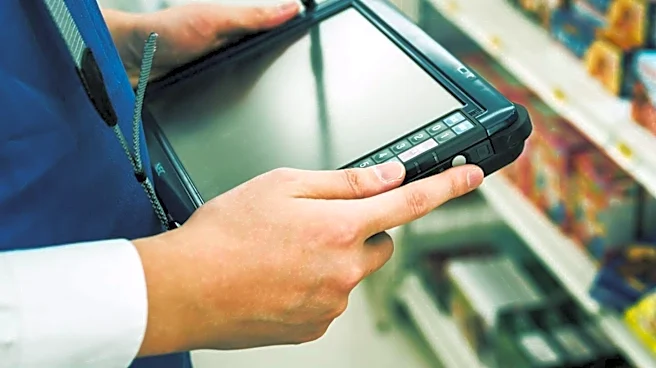
Lululemon is actively utilizing in-store technology to bolster its store operations and cultivate positive guest experiences. The company emphasizes the role of its 'Educators' in delivering world-class customer service, which includes leveraging these
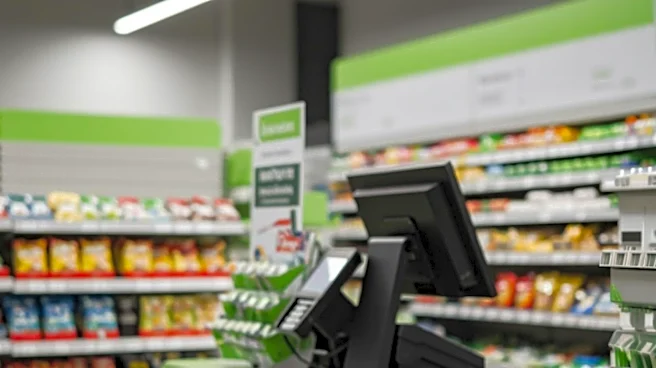
technological tools. These technologies support various operational tasks such as product presentation, inventory management (restocking, destocking), and maintaining the store's luxury environment. Furthermore, in-store technology aids in facilitating seamless end-to-end guest experiences, including accurate and timely transactions and the execution of omnichannel programs like buy online/pickup in store, phone sales, and ship from store options. The company's approach integrates technology to ensure efficiency while maintaining a focus on direct customer engagement and satisfaction.
Why It's Important?
The integration of in-store technology by Lululemon signifies a broader trend in the retail sector towards enhancing both operational efficiency and customer engagement. By equipping its staff with advanced tools, Lululemon aims to streamline processes, reduce friction in the shopping journey, and provide a more personalized and efficient service. This strategy is crucial in a competitive retail landscape where customer expectations for convenience and seamless experiences are continually rising. For consumers, this means potentially faster service, more accurate inventory information, and a more integrated shopping experience across various channels. For Lululemon, it translates into improved operational effectiveness, better inventory control, and potentially higher customer satisfaction and loyalty, which are vital for sustained growth in the athletic apparel market.
What's Next?
As Lululemon continues to invest in and refine its in-store technology, the next steps will likely involve further integration of these tools with broader digital strategies and supply chain management. The company may explore more advanced applications of AI and machine learning to predict customer preferences, optimize inventory placement, and personalize recommendations in real-time within the store environment. There could also be an expansion of omnichannel capabilities, making the transition between online and physical shopping even more fluid. Competitors in the retail space will likely observe Lululemon's success with these technologies, potentially leading to increased adoption of similar solutions across the industry as companies strive to meet evolving consumer demands and operational challenges.
Beyond the Headlines
Lululemon's strategic use of in-store technology highlights a fundamental shift in the role of physical retail spaces. Stores are no longer just points of sale but are evolving into experience centers where technology augments human interaction rather than replacing it. This approach raises questions about the future of retail employment, emphasizing the need for staff to be tech-savvy and capable of leveraging digital tools to enhance customer service. It also underscores the ethical considerations around data privacy as more customer interactions are mediated or recorded by technology. The long-term implication is a retail environment where the line between digital and physical shopping blurs, creating a highly integrated and data-driven customer journey that prioritizes convenience, personalization, and efficiency.