




What's Happening?
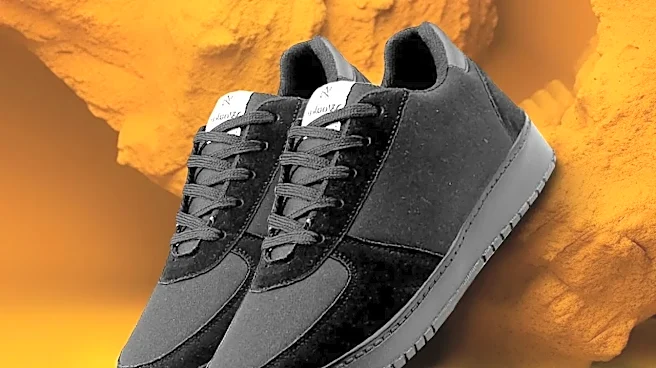
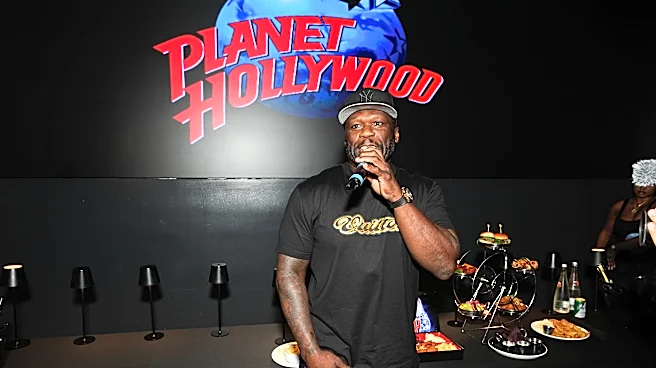
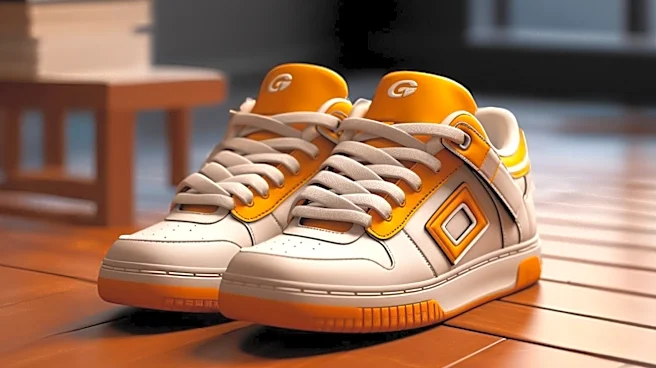
Curtis “50 Cent” Jackson, the renowned rapper, producer, and entrepreneur, is re-releasing the popular Reebok G-Unit G6 sneaker. This marks a significant return for a shoe that was highly influential in hip-hop and youth culture during the early 2000s.
The original G6 launched in 2003, coinciding with the multi-platinum success of 50 Cent’s album 'Get Rich or Die Tryin’'. The G-Unit brand, which included a record label and clothing line, saw its sneakers become a cultural phenomenon, symbolizing aspirational style for many. The collaboration between G-Unit and Reebok, which also produced other popular silhouettes like the G XT cross-trainer and G-Unit Boot, concluded around 2006. However, fan demand for the G6 has persisted over the past two decades, leading to this highly anticipated revival. 50 Cent emphasized that the fans' continuous requests were a key factor in the decision to bring back the beloved sneaker, highlighting its lasting impact beyond just a footwear item.
Why It's Important?
The return of the Reebok G-Unit G6 sneaker is important for several reasons, particularly within the realms of fashion, music, and consumer culture. For the sneaker industry, it underscores the enduring power of nostalgia and brand heritage, demonstrating that iconic designs from past eras can still command significant market interest. This re-release could reignite interest in Reebok's classic lines and potentially introduce a new generation of consumers to the brand's history in hip-hop culture. For 50 Cent and the G-Unit brand, it represents a successful leveraging of their cultural legacy, transforming past influence into current commercial opportunity. This move also highlights the significant role that celebrity endorsements and cultural movements play in shaping consumer trends and product longevity. The initial success of the G6 transformed sneakers from mere necessities into objects of cultural currency for many, and its return could reinforce this perception, influencing how other artists and brands approach collaborations and re-releases in the future. It also speaks to the cyclical nature of fashion, where styles from previous decades often experience renewed popularity.
What's Next?
Following the announcement, the re-release of the Reebok G-Unit G6 sneaker is expected to generate considerable buzz among long-time fans and sneaker enthusiasts. The immediate next step will likely involve the official launch and distribution of the sneakers, which could be accompanied by marketing campaigns featuring 50 Cent and potentially other G-Unit members. Given the strong nostalgic appeal, there is a high probability of quick sell-outs, especially if the release is limited. This success could pave the way for further collaborations between 50 Cent and Reebok, possibly including re-releases of other G-Unit sneaker models or entirely new designs inspired by the original line. The re-release might also encourage other artists from the early 2000s to revisit their past brand partnerships, recognizing the commercial viability of tapping into established cultural touchstones. Retailers will be preparing for increased demand, and the secondary market for sneakers may see activity as collectors and resellers vie for the new stock.
Beyond the Headlines
The re-release of the Reebok G-Unit G6 sneaker transcends a simple product launch, touching upon deeper cultural and economic implications. It exemplifies how cultural artifacts, like sneakers, can become powerful symbols of identity and belonging for different generations. For those who grew up in the early 2000s, the G-Unit G6 represents a tangible link to their youth and the golden era of hip-hop, evoking a sense of community and shared experience. Economically, this move highlights the value of intellectual property and brand equity built through cultural influence. It demonstrates that a strong cultural connection can sustain demand for a product for decades, even after its initial production ceases. Furthermore, the phenomenon of re-releases like this reflects a broader societal trend of looking back to simpler or more iconic times, offering consumers a sense of comfort and continuity in a rapidly changing world. It also underscores the evolving relationship between music, fashion, and commerce, where artists are not just creators but also significant cultural entrepreneurs shaping consumer desires and market trends.