






What's Happening?
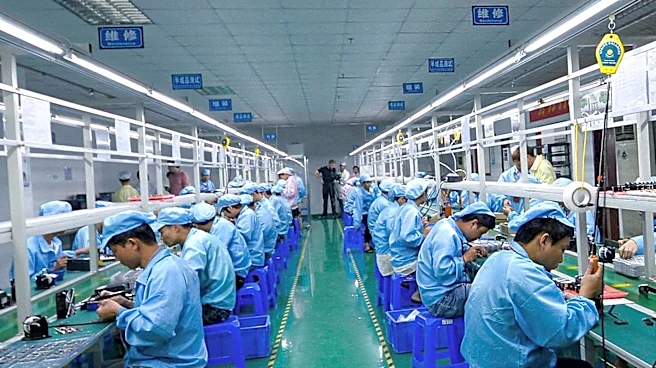
Most ready-made garment (RMG) factories in Bangladesh have resumed production as of November 8, 2026, following a period of labor unrest over minimum wages. Operations have restarted in key manufacturing hubs like Mirpur, Gazipur, and Narayanganj, though
some work stoppages persist in parts of Ashulia. The resumption of work comes as employers and worker representatives are preparing proposals for a revised wage structure. The government formed a six-member wage board on November 1, which held its first meeting on November 4. Both employer and worker representatives were tasked with submitting written proposals for a second meeting scheduled for November 9 in Dhaka. Workers have been demanding an increase in the monthly minimum wage from Tk12,500 to Tk30,000, citing rising living costs. The Bangladesh Garment Manufacturers and Exporters Association (BGMEA) President, Mahmud Hasan Khan, indicated that employers are preparing an enhanced wage proposal, while worker representative Babul Akhter is consulting with labor organizations for a common submission. The wage board has agreed to implement a revised structure starting in December, though the final minimum wage amount is still under negotiation.
Why It's Important?
The resumption of production in Bangladesh's garment industry is crucial for the country's economy and its global supply chain partners, including the U.S. The garment sector is the backbone of Bangladesh's economy, accounting for approximately four-fifths of its export earnings, totaling around $38 billion annually. Disruptions in production, such as those caused by recent protests, can significantly impact shipment schedules and buyer confidence, potentially leading to order cancellations or shifts to other manufacturing countries. For U.S. retailers and consumers, continued stability in Bangladesh's garment production ensures a consistent supply of apparel and helps maintain competitive pricing. The ongoing wage negotiations are vital for addressing the living conditions of millions of garment workers, whose demands for higher wages reflect the increasing cost of living. A fair wage agreement could lead to greater labor stability and improved working conditions, which are increasingly important considerations for ethical sourcing in the U.S. market. Conversely, prolonged unrest or an unsatisfactory resolution could lead to further supply chain disruptions and reputational risks for brands sourcing from Bangladesh.
What's Next?
The immediate next step involves the submission of wage proposals by employer and worker representatives to the government's wage board at its November 9 meeting in Dhaka. These proposals will form the basis for further negotiations to determine a revised minimum wage structure for garment workers. The wage board has already committed to introducing a new structure by December, indicating a relatively swift timeline for a decision. Stakeholders will be closely watching the outcome of these negotiations, as the agreed-upon minimum wage will directly impact the livelihoods of millions of workers and the operational costs for manufacturers. Employers are also seeking concessions, including lower borrowing costs, uninterrupted energy supplies, and reduced delays in customs and port procedures, which could influence their ability to absorb wage increases. The sustained return of workers to factories, timely payment of October wages, and progress towards a mutually acceptable wage structure will be critical in maintaining production stability and ensuring Bangladesh can meet its export commitments, particularly for upcoming spring and summer orders.
Beyond the Headlines
The ongoing situation in Bangladesh's garment industry highlights broader ethical and economic considerations within the global supply chain. The demand for higher wages by garment workers underscores the persistent challenge of ensuring living wages in developing countries that are major manufacturing hubs. This issue resonates with U.S. consumers and advocacy groups who increasingly scrutinize the labor practices of brands. The outcome of these negotiations could set a precedent for labor relations and wage standards in Bangladesh's crucial export sector, potentially influencing other industries and countries facing similar pressures. Furthermore, the employers' demands for improved infrastructure and operational efficiencies point to systemic issues that affect the competitiveness and sustainability of the industry. Addressing these concerns, alongside fair wages, is essential for long-term stability. The situation also reflects the delicate balance between maintaining competitive production costs for global markets and ensuring equitable treatment for the workforce, a balance that has significant implications for corporate social responsibility and international trade ethics.