





What's Happening?
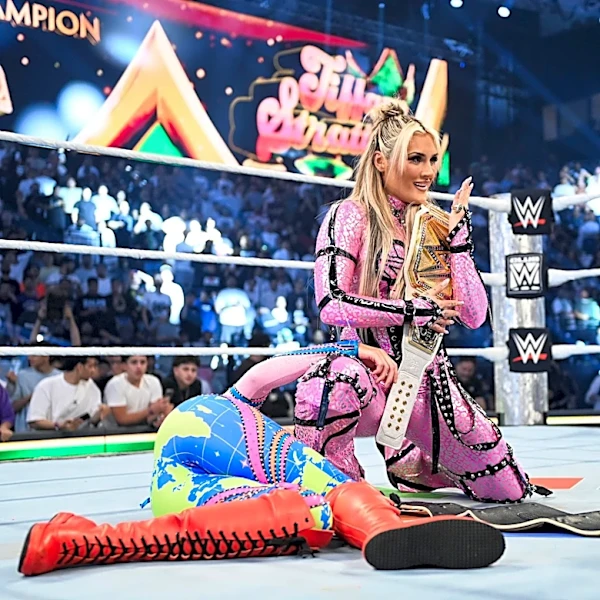
Professional wrestler Mercedes Moné has publicly shared the news of her younger sister, Alexis Varnado's, passing earlier this year in September. Moné revealed this deeply personal loss in her Moné Mag newsletter, reflecting on the profound difficulty
of the past few months. She expressed her ongoing struggle to discuss the event, emphasizing the added pain of knowing her sister left behind two young children. Moné shared cherished memories, including a childhood trip to WrestleMania in Atlanta with Alexis, a memory that holds greater significance now given Moné's wrestling career. She also recalled Alexis's help in caring for their mother in 2020, expressing enduring gratitude for her sister's support during that time. Moné concluded her tribute by conveying her difficulty in comprehending such a young life being cut short and wishing Alexis and her children had more time together.
Why It's Important?
This news highlights the personal struggles faced by public figures, offering a glimpse into the emotional toll of private tragedies. For fans of Mercedes Moné and the professional wrestling community, this revelation fosters empathy and understanding, reminding them of the human element behind the public persona. It underscores the importance of mental health and support systems, especially for individuals navigating grief while maintaining demanding public careers. The shared experience of loss can also create a deeper connection between public figures and their audience, fostering a sense of community and shared humanity. Furthermore, it serves as a poignant reminder of the fragility of life and the lasting impact of family bonds, resonating with anyone who has experienced similar personal losses.
Beyond the Headlines
Beyond the immediate grief, Moné's decision to share such a personal loss publicly through her newsletter can be seen as an act of vulnerability that may resonate deeply with her audience. In an era where public figures often curate highly polished images, sharing raw emotional experiences can foster authenticity and build stronger connections. This openness might also encourage others facing similar bereavements to seek support or find solace in shared experiences. The narrative of a successful athlete grappling with profound personal sorrow also challenges the perception that public success insulates individuals from personal hardship. It reinforces the idea that grief is a universal experience, transcending fame and professional achievements, and highlights the strength required to navigate such challenges in the public eye.