
What's Happening?
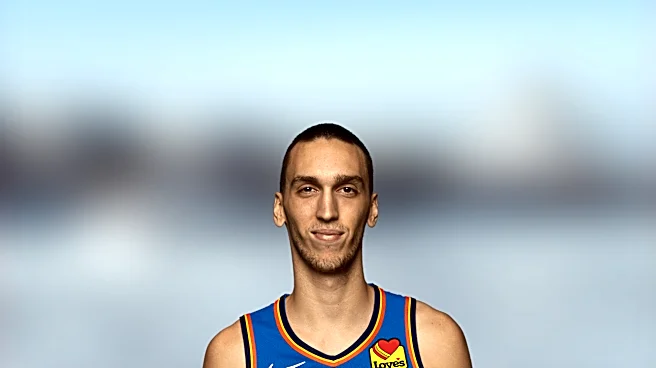
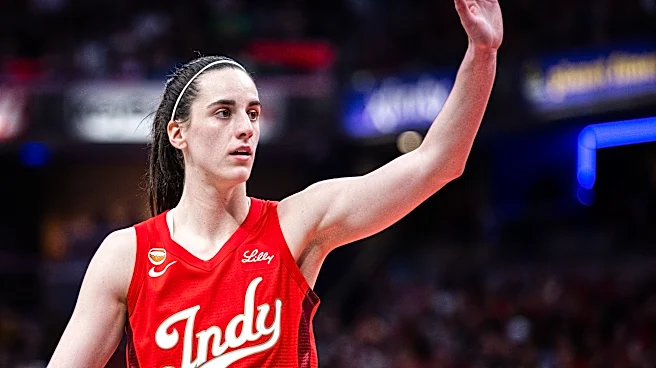
Chicago Sky guard Natasha Cloud has publicly addressed her recent confrontation with former NBA player Enes Kanter Freedom during a game against the Indiana Fever. Cloud dismissed Freedom as an "irrelevant
person," stating her focus is on critical issues affecting women and children in 2026, such as domestic violence, sexual assault, and food insecurity. The incident occurred when Freedom, wearing a shirt with a specific definition of 'woman,' was seated courtside. Cloud confronted him after scoring, leading to security intervention. Following the event, Sky owner Michael Alter banned Freedom from future home games, a decision Cloud supported as a measure to "protect the players." Freedom and another former NBA player, Royce White, have declared for the WNBA draft, identifying as women, but have been deemed ineligible by a source familiar with the decision. The WNBA's collective bargaining agreement restricts participation to women but lacks specific language on gender identity or sex assigned at birth. Cloud asserted that the league will not be used as a "pawn for any political or cultural wars."
Why It's Important?
This incident highlights the ongoing and intensifying debate surrounding gender identity, sports, and political expression within the United States. Natasha Cloud's strong stance reflects a growing sentiment among some athletes and public figures to use their platforms to advocate for specific social causes, particularly those related to women's rights and gender equality. The WNBA's response, through its owner's decision to ban Freedom, signals a league-level commitment to protecting its players and maintaining a specific environment, potentially setting a precedent for how professional sports organizations handle similar controversies. The eligibility question for transgender women in sports, as raised by Freedom and White's WNBA draft declaration, remains a contentious issue with significant implications for sports policies, inclusion, and fairness across various leagues and levels of competition. This event underscores the intersection of sports, social justice, and political discourse, influencing public opinion and potentially shaping future policies regarding athlete conduct and league regulations.
What's Next?
The WNBA may face continued pressure to clarify its policies regarding gender identity and player eligibility, especially given the ongoing public discourse and the declaration of former male athletes identifying as women for the draft. The league's collective bargaining agreement, which currently restricts participation to women without further specificity on gender identity, could be subject to review or amendment to address these evolving issues. Further reactions from various stakeholders, including other athletes, advocacy groups, and political figures, are anticipated as the debate continues. The incident could also prompt other sports organizations to re-evaluate their own policies and stances on similar matters. Natasha Cloud and other athletes may continue to use their platforms to advocate for social issues, potentially leading to more public discussions and actions within the sports community. The broader conversation around women's rights, gender identity, and the role of sports in societal debates is expected to persist.
Beyond the Headlines
The confrontation between Natasha Cloud and Enes Kanter Freedom transcends a simple sports incident, delving into deeper societal questions about gender, identity, and freedom of expression. It highlights the ethical complexities of balancing inclusive policies with traditional definitions in sports, particularly concerning the participation of transgender women. The incident also underscores the cultural dimension of how public figures, especially athletes, are increasingly expected to take stances on social and political issues, blurring the lines between their professional roles and personal activism. The WNBA's decision to ban Freedom from games, supported by Cloud, raises questions about the limits of free speech in private venues and the responsibility of organizations to create safe and inclusive environments for their employees and fans. This event could contribute to a long-term shift in how professional sports leagues navigate the intersection of athletic competition, social values, and political ideologies, potentially influencing future fan engagement, sponsorship, and athlete endorsements.