








What's Happening?
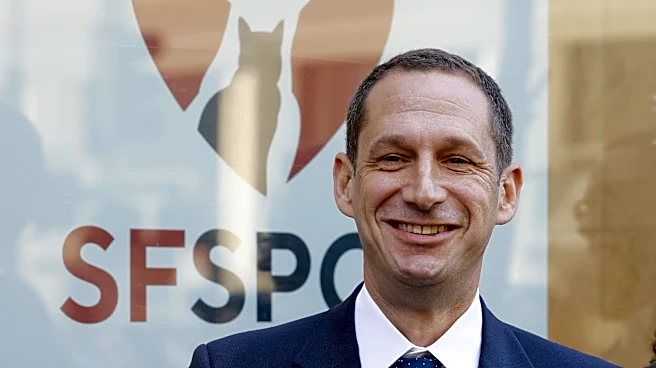
On October 27, 2026, San Francisco Mayor Daniel Lurie introduced the PAWS Act (Protecting Animal Welfare and Safety for Dogs) to tackle the severe overcrowding issue at the city's animal shelter. The shelter, designed for approximately 60 dogs, is currently
housing 67, with puppy intake nearly doubling from 227 to 422 over the past five years. The proposed legislation includes measures such as a $200 breeding permit, home inspections, a limit of one litter per female dog per year, and a cap on backyard breeding to reduce the supply of puppies entering the shelter system. However, certain provisions of the bill have drawn criticism, particularly the proposed reduction of the owner reclaim period from 14 to 7 days, with the clock starting upon the dog's arrival at the shelter rather than owner notification. The bill also shortens the stray hold from 96 to 72 hours and allows for sterilization of dogs in more situations without additional funding.
Why It's Important?
The PAWS Act aims to address a critical public health and animal welfare issue in San Francisco: the overflowing animal shelter. By regulating breeding and reducing the influx of puppies, the city hopes to alleviate strain on its resources and improve animal care. However, the controversial provisions regarding reduced reclaim periods and stray holds could disproportionately affect vulnerable populations, such as individuals experiencing homelessness, hospitalization, or incarceration, who may struggle to reclaim their pets within a shorter timeframe. Pets often serve as crucial emotional support for these individuals, and the bill, in its current form, risks separating families from their companion animals. The lack of new funding for sterilization also raises concerns about the practical implementation and effectiveness of these measures.
What's Next?
The PAWS Act is expected to proceed to committee hearings, potentially beginning in late November. Advocates are urging the San Francisco Board of Supervisors to amend the bill before voting on it. Key proposed amendments include maintaining the 14-day reclaim window or initiating it only after owner notification, exempting individuals who are hospitalized, jailed, or unhoused from the shortened reclaim period, and securing additional funding for the shelter and low-cost spay/neuter programs. Mayor Lurie is also being asked to support these changes. The outcome of these discussions will determine whether the city can effectively manage its animal shelter crisis without inadvertently penalizing responsible pet owners or exacerbating challenges for vulnerable residents.