







What's Happening?
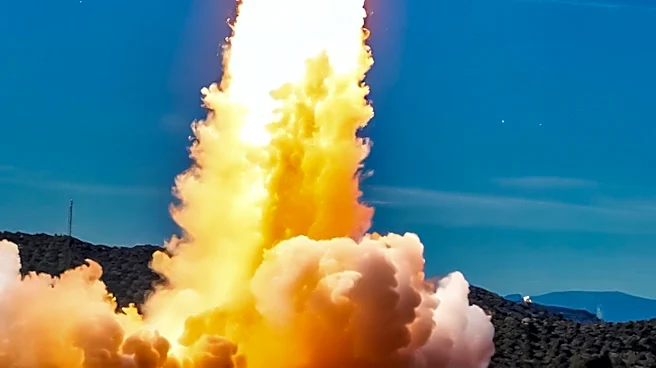
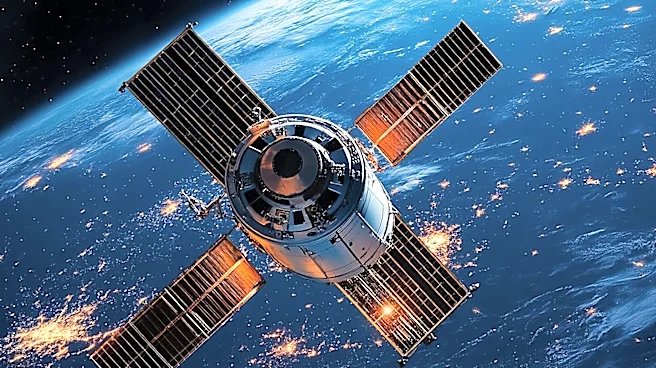
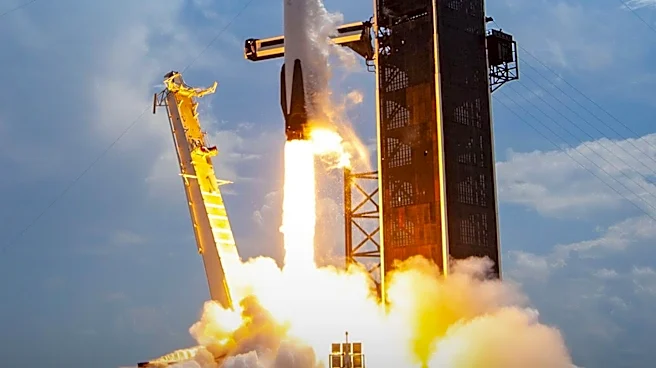
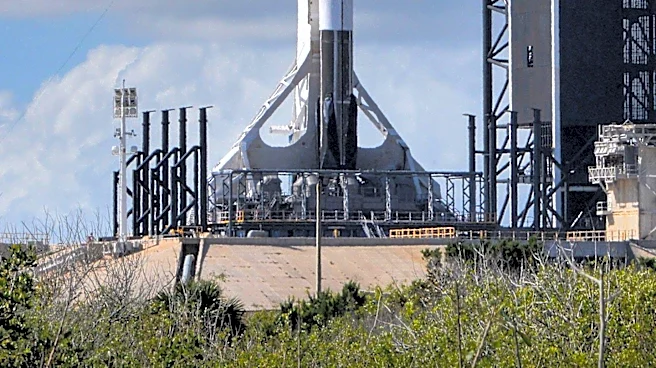
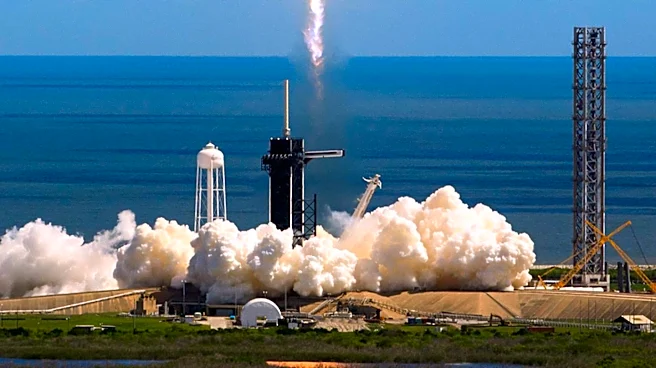
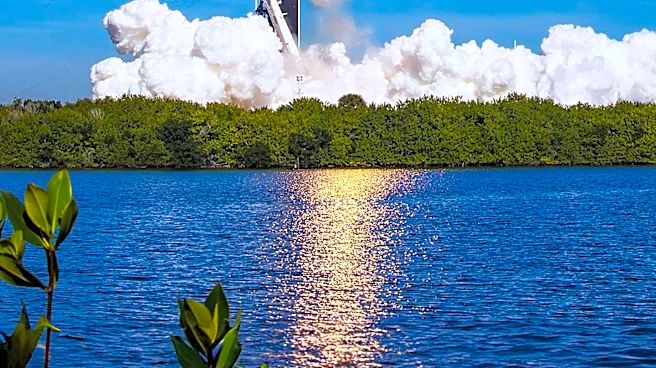
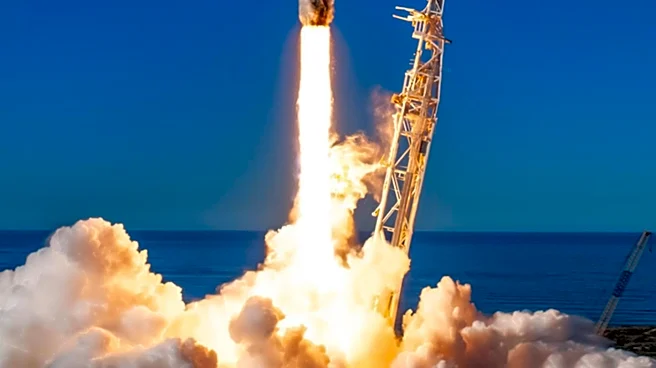
SpaceX is set to launch 24 Starlink satellites from Vandenberg Space Force Base in California, continuing its rapid expansion of the global satellite internet constellation. The launch is scheduled for July 10, 2026, with a window between 7:00 p.m. and 11:00
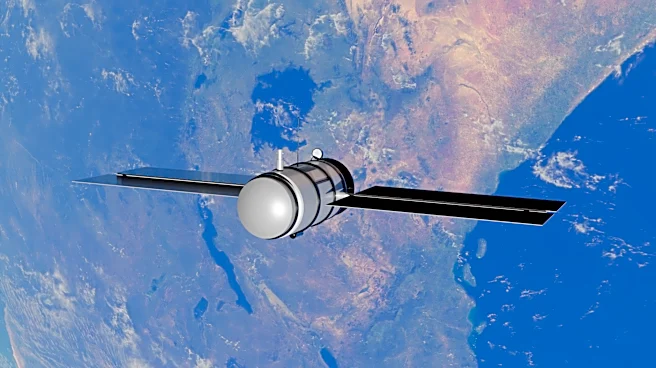
p.m. PDT. The Falcon 9 rocket's first stage is expected to land on the droneship OCISLY in the Pacific Ocean after stage separation. This deployment will add to the existing constellation, which as of June 2026, includes approximately 10,413 satellites in low Earth orbit, with 10,397 operational. Starlink currently provides internet service in over 100 countries, covering most of the populated world between 53 degrees south and 57 degrees north latitude, with expanding polar coverage.
Why It's Important?
The expansion of SpaceX's Starlink constellation is significant as it aims to deliver high-speed, low-latency internet to remote and underserved regions globally. This development is crucial for bridging the digital divide, providing internet access to areas that lack traditional infrastructure. The frequent launches from Vandenberg Space Force Base highlight SpaceX's commitment to maintaining and expanding its satellite network, ensuring consistent and reliable service. The growth of Starlink's coverage can potentially transform communication, education, and business opportunities in isolated areas, fostering economic development and social inclusion.
What's Next?
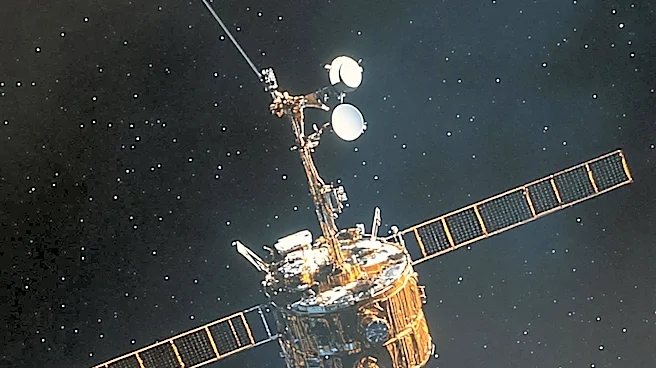
SpaceX's strategy involves frequent Falcon 9 flights dedicated to replenishing and expanding the Starlink constellation. Each mission typically carries 24 to 29 satellites to low Earth orbit, allowing the company to maintain and expand coverage while refreshing aging hardware. As the constellation grows, SpaceX may continue to enhance its service offerings, potentially increasing bandwidth and reducing latency further. The ongoing expansion could also lead to new partnerships and collaborations with governments and organizations seeking to improve internet access in remote regions.
Beyond the Headlines
The rapid growth of Starlink's satellite network raises questions about space traffic management and the long-term sustainability of satellite constellations. As more satellites are launched, concerns about space debris and collision risks increase, necessitating robust regulatory frameworks and international cooperation. Additionally, the expansion of satellite internet services could impact traditional telecom providers, prompting shifts in market dynamics and competitive strategies.