


What's Happening?
The beauty industry is observing a shift in skincare trends, moving away from the previously popular 'glazed skin' aesthetic towards 'milky skincare.' According to Metro News, 'milky skincare' is emerging as the dominant trend, emphasizing lightweight
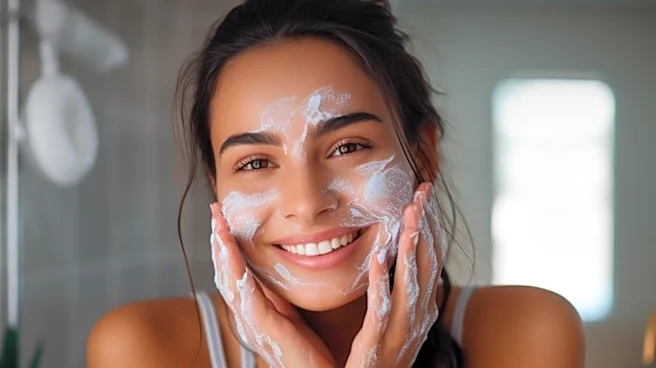
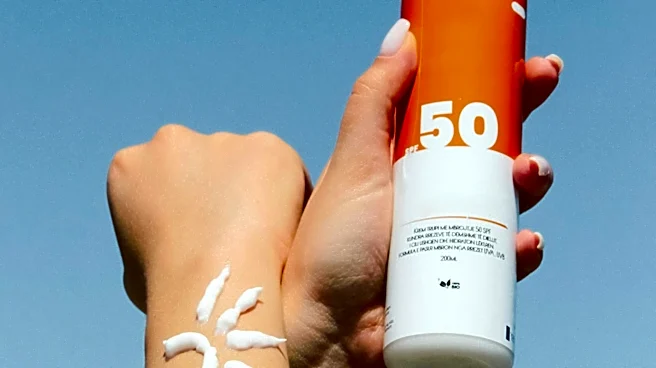
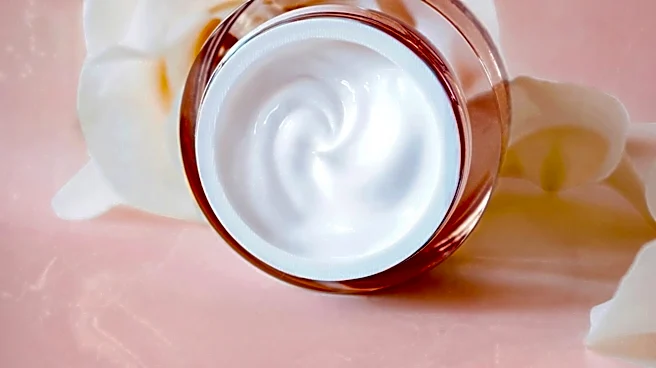
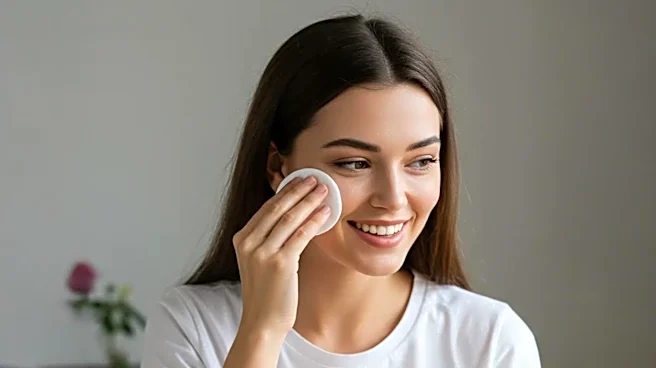
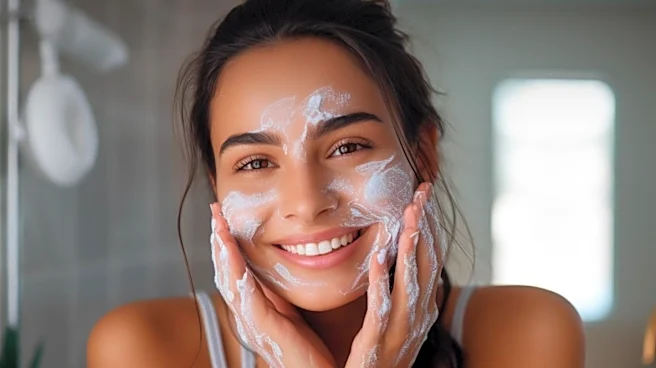
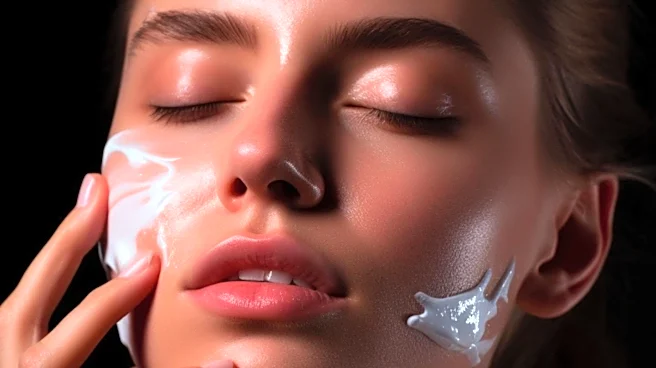
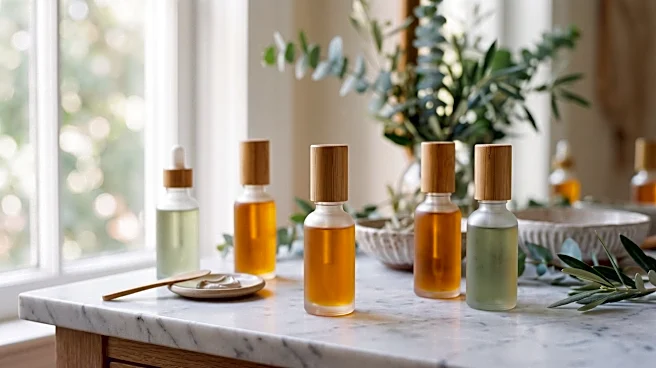
hydration, barrier support, and a natural glow. This new approach contrasts with the 'glass and glazed doughnut skin' looks that were previously in vogue. Milky skincare products, characterized by their lightweight and creamy consistency, are being incorporated across various steps of a beauty routine, including cleansers, toners, moisturizers, and even sunscreens. These products are formulated to provide hydration and glow without the heavy or greasy residue often associated with traditional creams, utilizing ingredients like ceramides, oat, and rice extracts to strengthen the skin barrier and combat inflammation. The trend highlights a preference for fast-absorbing, soothing, and plumping formulations that layer easily under makeup.
Why It's Important?
This shift in skincare trends reflects evolving consumer preferences and product development within the U.S. beauty market. The move towards 'milky skincare' indicates a demand for products that offer effective hydration and skin barrier support without feeling heavy or sticky, which can influence product innovation and marketing strategies for cosmetic companies. For consumers, this trend offers new options for achieving a radiant complexion with a focus on skin health and comfort. Brands that quickly adapt to this preference for lightweight, multi-benefit milky formulations are likely to gain a competitive edge. Conversely, companies heavily invested in 'glazed skin' products may need to re-evaluate their offerings to remain relevant. The emphasis on ingredients like ceramides and natural extracts also suggests a growing consumer awareness and demand for skincare that prioritizes skin health and gentle formulations, potentially impacting ingredient sourcing and research and development efforts across the industry.
What's Next?
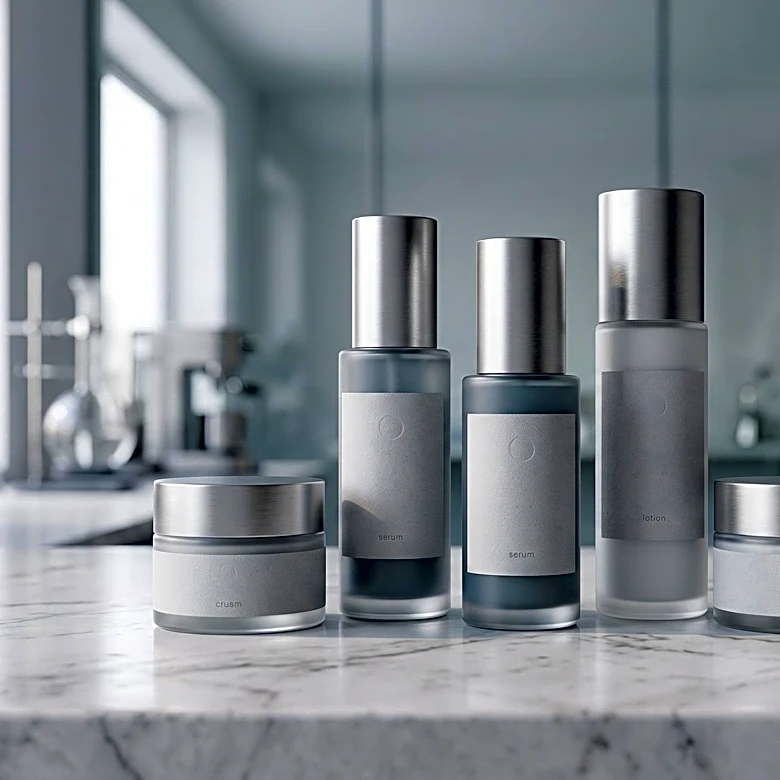
The beauty industry is expected to continue innovating and expanding its range of 'milky skincare' products to meet growing consumer demand. We can anticipate more brands introducing cleansers, serums, moisturizers, and SPF products with milky textures and formulations focused on hydration and barrier support. Marketing campaigns will likely highlight the lightweight feel, quick absorption, and skin-benefiting ingredients of these products. Consumers will see an increased availability of options across various price points, from affordable to luxury brands. Furthermore, as this trend gains momentum, there may be a decline in the popularity and sales of products specifically marketed for a 'glazed' or 'glass skin' effect, prompting brands to either reformulate or pivot their product lines. The focus on skin health and gentle ingredients is also likely to drive further research into new active components that align with the 'milky skincare' philosophy.
Beyond the Headlines
The transition from 'glazed skin' to 'milky skincare' signifies a deeper cultural shift in beauty ideals, moving from an overtly shiny, almost artificial glow to a more natural, healthy-looking radiance. This change reflects a broader societal trend towards authenticity and well-being, where skincare is increasingly viewed as an extension of overall health rather than just a cosmetic enhancement. The preference for lightweight, non-greasy textures also speaks to a desire for comfort and practicality in daily routines, especially as consumers seek products that perform well under makeup and in various climates. This evolution in beauty standards could influence other sectors of the lifestyle industry, promoting a more holistic approach to self-care. It also highlights the dynamic nature of beauty trends, often driven by social media and influencer culture, where new aesthetics can emerge and gain widespread adoption rapidly, challenging established norms and product categories.