





What's Happening?
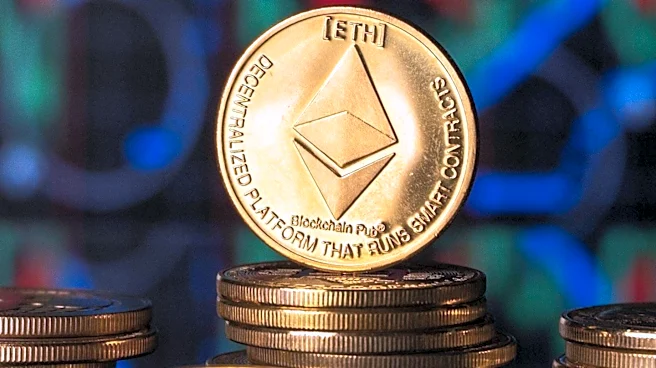
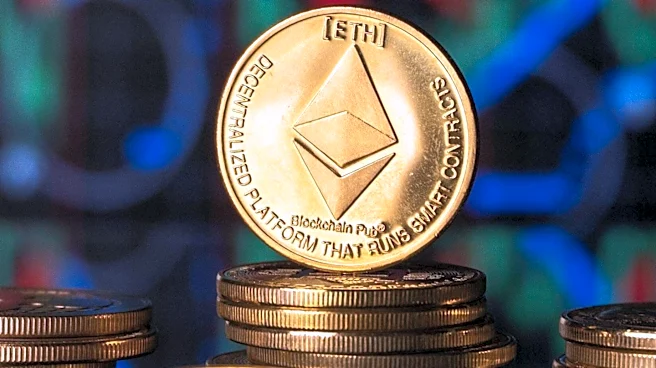
Bitmine Immersion Technologies, a U.S.-based cryptocurrency company, reported a reduced purchase of 8,573 Ethereum (ETH) tokens in the week leading up to November 1, 2026. This marks the smallest weekly ETH acquisition in its recent updates, a decrease
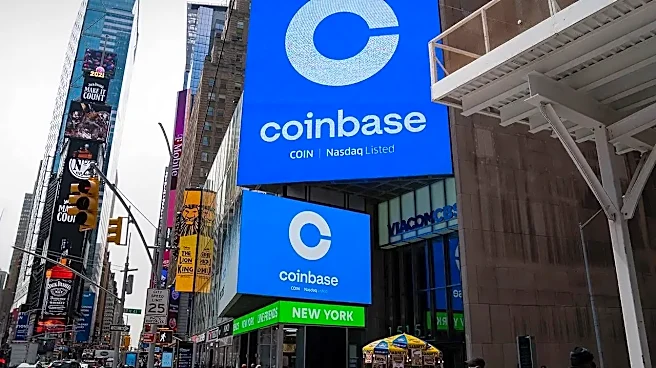
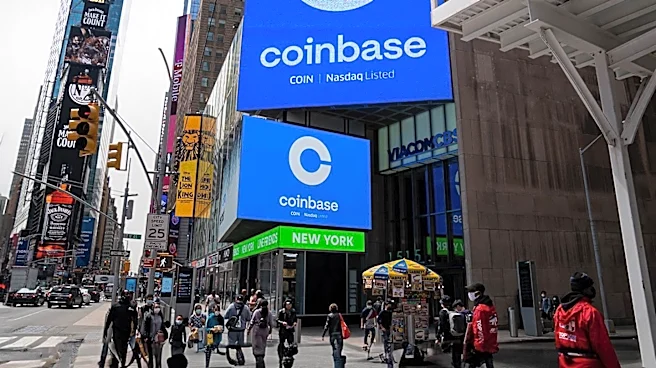
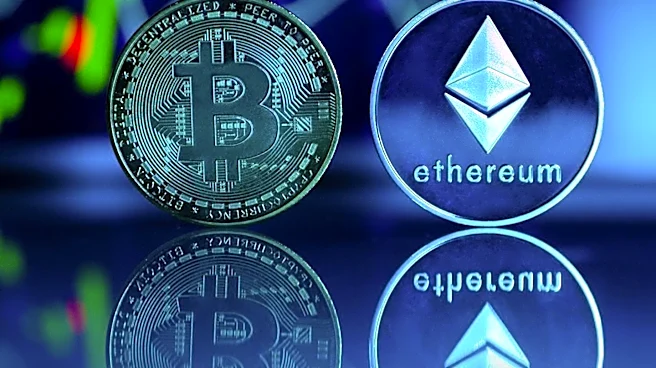
from 10,452 ETH the previous week and larger buys earlier in the fall. The company's total cryptocurrency, cash, and 'moonshot' stakes collectively dropped to $14.5 billion, down from approximately $15 billion in the prior update. This decline is partly attributed to a 4% slip in Ether's price, which Bitmine valued at $2,261 per ETH on Coinbase as of November 1. Despite the slowdown, Bitmine's total ETH holdings reached 6,060,506 tokens, representing 4.9% of the total 122.2 million ETH supply, leaving it approximately 49,500 ETH short of its 5% goal. The company also holds 216 Bitcoin, $180 million in Beast Industries, $82 million in Eightco Holdings, and $498 million in cash and marketable securities.
Why It's Important?
This development highlights Bitmine's strategic adjustments in its digital asset accumulation, particularly its ETH Treasury Strategy launched in June 2025. The reduced weekly ETH purchase, coupled with a slight decrease in overall holdings value, could signal a more cautious approach to market volatility or a re-evaluation of its investment pace. For the broader cryptocurrency market, Bitmine's substantial ETH holdings, with 5,227,037 ETH currently staked and valued at $11.8 billion, position it as a significant player in the Ethereum ecosystem. The projected annualized staking revenues of $358 million from its current staked ETH underscore the company's reliance on the health and functioning of the Ethereum network. Chairman Tom Lee's assessment of the muted market reaction to the Binance hack as a 'constructive sign' suggests a growing resilience within the crypto industry, potentially influencing investor confidence and future regulatory perspectives on digital asset security.
What's Next?
Bitmine Immersion Technologies will likely continue its ETH accumulation strategy, albeit at a potentially adjusted pace, as it aims to reach its goal of holding 5% of the total ETH supply. Investors will be closely monitoring the company's future weekly purchase reports and quarterly filings for updates on its ETH holdings, staking activities, and overall asset valuation. The company's ability to achieve its 5% ETH target and the performance of its staked ETH will be key indicators of its financial health and strategic success. Furthermore, the broader cryptocurrency market will observe how the industry continues to absorb and respond to security incidents like the Binance hack, and whether the perceived resilience noted by Bitmine's Chairman Tom Lee holds true in the face of future challenges. The evolution of regulatory frameworks for digital assets in the U.S. could also influence Bitmine's operational strategies and investment decisions.
Beyond the Headlines
Bitmine's significant concentration of Ethereum tokens, representing 4.9% of the total supply, positions it as a major infrastructure player within the Ethereum network. This deep integration means that the company's core business model is intrinsically linked to the performance and stability of Ethereum. While this offers potential for substantial returns through staking revenues, it also exposes Bitmine to considerable risk due to its heavy reliance on a single crypto asset. The company's strategy effectively transforms it into an 'Ethereum infrastructure play,' where its financial success is directly tied to the network's health. This approach could set a precedent for other institutional investors looking to gain significant exposure to specific blockchain ecosystems, potentially leading to increased institutionalization of the crypto market but also raising questions about market centralization and the potential for single points of failure within decentralized networks. The ongoing debate about the resilience of the crypto industry in the face of nation-state assaults on financial infrastructure, as highlighted by Chairman Tom Lee, will continue to shape perceptions of digital asset security and stability.