







What's Happening?
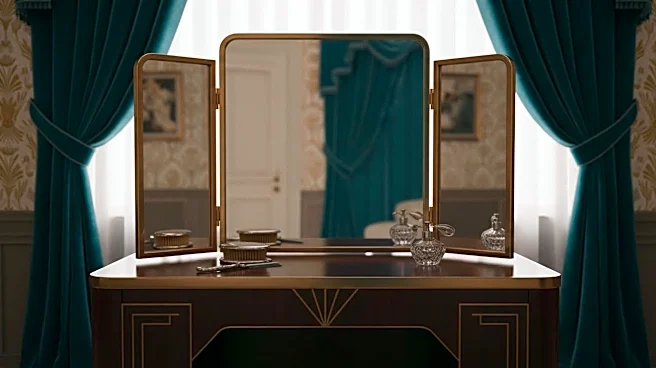
The short film 'Latin Lover,' directed by Kevin Rios and starring Jonathan Del Arco, revisits the life and tragic death of Ramon Novarro, a pioneering Latino Hollywood star. Novarro, who rose to fame in the silent film era, was murdered in 1968 by two
men who mistakenly believed he had hidden wealth. The film aims to honor Novarro's legacy, which was marred by sensationalist media coverage due to his sexuality, as homosexuality was illegal in California until 1976. Rios and Del Arco emphasize the importance of celebrating Queer and Latino themes, especially in a time when civil rights for these communities face challenges. The film is currently being showcased on the festival circuit, including an upcoming screening at the Cherry Grove Archives Collection Film Festival in New York.
Why It's Important?
The film 'Latin Lover' serves as a cultural and historical reflection on the challenges faced by LGBTQ+ and Latino communities, both in the past and present. By revisiting Novarro's story, the filmmakers highlight the ongoing struggle for representation and dignity in media. This is particularly relevant in today's socio-political climate, where state-sponsored initiatives threaten to roll back civil rights advancements. The film not only seeks to correct historical injustices in the portrayal of Novarro but also aims to inspire contemporary audiences to recognize and support diversity in storytelling. The project underscores the power of cinema as a tool for social change and the importance of preserving the legacies of marginalized figures in history.
What's Next?
Following its festival circuit, 'Latin Lover' may continue to gain traction and potentially secure wider distribution, bringing Novarro's story to a broader audience. The film's reception could influence future projects that focus on underrepresented communities, encouraging filmmakers to explore similar themes. Additionally, the film's success might prompt discussions about the portrayal of LGBTQ+ and Latino figures in Hollywood, potentially leading to more inclusive narratives. As the film gains attention, it could also spark renewed interest in Novarro's work and life, prompting further exploration of his contributions to cinema and the challenges he faced.