





What's Happening?
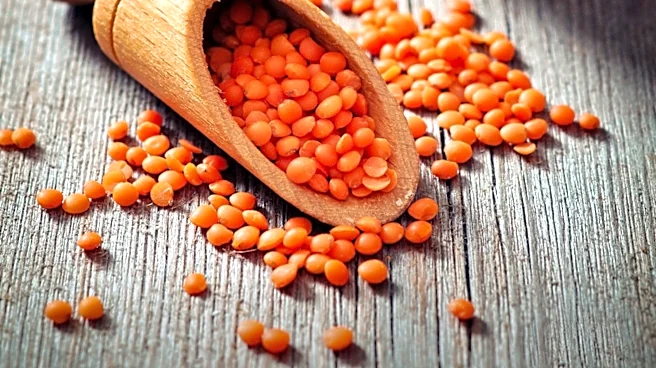
Recent studies have sparked a debate over the nutritional value of lean red meat compared to plant-based proteins like lentils. Two trials conducted in 2025 examined the health impacts of consuming lean, minimally processed red meat as part of a balanced
diet. The first study involved 36 adults over 65, comparing diets with lean pork and lentils, while the second study involved 24 adults with prediabetes, comparing beef and poultry. Both studies found no significant difference in health markers such as insulin sensitivity and cholesterol levels between the diets. However, the studies were funded by meat industry organizations, raising questions about potential biases. Despite the findings, experts caution against interpreting these results as a free pass to consume unlimited red meat, emphasizing the importance of a balanced diet.
Why It's Important?
The findings challenge the common perception that red meat is inherently less healthy than plant-based proteins. This could influence dietary guidelines and consumer choices, potentially benefiting the meat industry. However, the studies' short duration and funding sources may limit their impact on long-term dietary recommendations. The research highlights the complexity of nutrition science and the need for comprehensive studies to inform public health policies. Consumers may feel reassured about including lean red meat in their diets, but should remain cautious about processed meats and overall dietary balance.
What's Next?
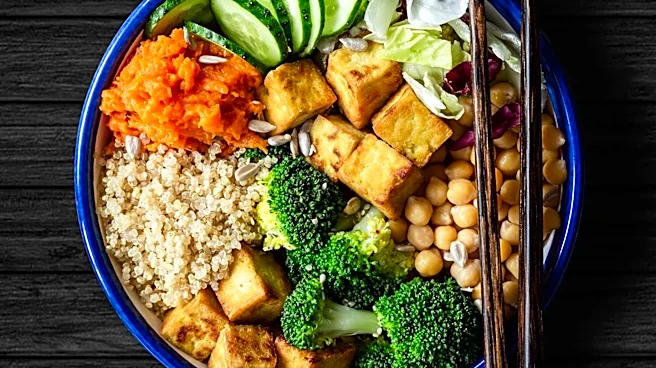
Further research is needed to explore the long-term health impacts of red meat consumption, particularly concerning chronic diseases like cancer and heart disease. Nutritionists and public health officials may continue to debate the role of red meat in a healthy diet, potentially influencing future dietary guidelines. Consumers are encouraged to focus on overall dietary patterns rather than individual food items, balancing red meat with plant-based proteins and other nutrient-rich foods.