





What's Happening?
Manufacturers across North America are actively strengthening their factory resilience by reconfiguring regional production and supply networks. This strategic shift is a direct response to ongoing challenges such as fluctuating trade policies, economic
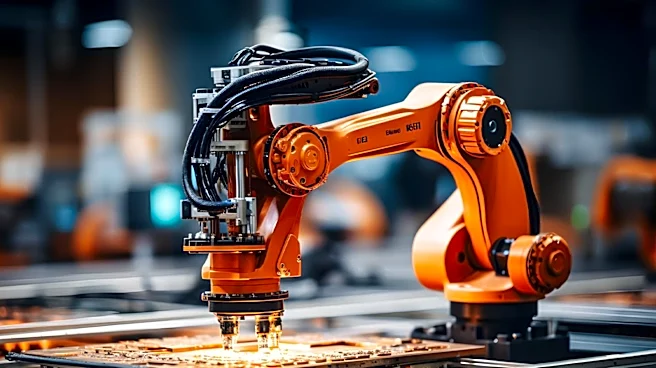
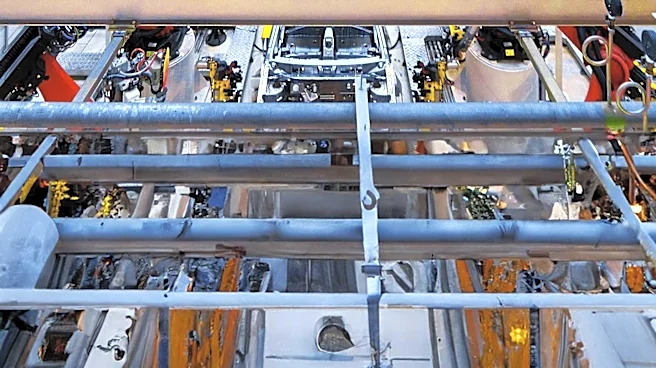
uncertainties, and disruptions in the supply chain, according to a report from Information Services Group (ISG). The report, titled '2026 ISG Provider Lens Manufacturing Industry Services and Solutions,' highlights that companies are coordinating product, plant, and service workflows to ensure safety, continuity, and traceability. This includes upgrading smart-factory capabilities in existing brownfield environments, minimizing downtime, and mitigating cyber exposure. Furthermore, supply chain control towers are being enhanced to integrate supplier, inventory, transport, and plant constraints, leading to stronger regional traceability. Aftermarket programs are also being developed, combining connected-asset data, spare-parts planning, field service, and reverse logistics to support service lifecycles. Bob Krohn, ISG partner, manufacturing, emphasized that operational continuity is now a central requirement for technology decisions, especially given the realities of aging assets, skill shortages, and live production environments.
Why It's Important?
This concerted effort by North American manufacturers to bolster factory resilience is crucial for the stability and competitiveness of the U.S. industrial sector. By restructuring supply networks and enhancing operational continuity, businesses aim to reduce vulnerability to external shocks, such as geopolitical tensions, natural disasters, and economic downturns. This proactive approach can lead to more stable production, fewer disruptions, and ultimately, more reliable product availability for consumers. The focus on regional traceability and smart-factory upgrades also signifies a move towards greater efficiency and technological advancement within manufacturing. Companies that successfully implement these strategies stand to gain a competitive advantage by ensuring consistent operations and reducing financial losses associated with supply chain failures. Conversely, those that lag in adopting these resilience measures may face increased risks, higher operational costs, and potential market share erosion.
What's Next?
The trend of strengthening factory resilience is expected to continue, with manufacturers likely to further invest in advanced technologies and strategic network redesigns. The ISG report also points to other emerging trends, including the growing need for workforce enablement for technicians and operators, and enhanced industrial cybersecurity for control systems. This suggests a future where manufacturing operations will be more integrated, technologically sophisticated, and secure. Companies will likely prioritize AI deployment and brownfield modernization, while also addressing the critical need for skilled labor and local support. The ongoing coordination of product, plant, and service workflows will become increasingly vital as manufacturers strive to maintain operational continuity and adapt to an ever-changing global landscape.