




What's Happening?
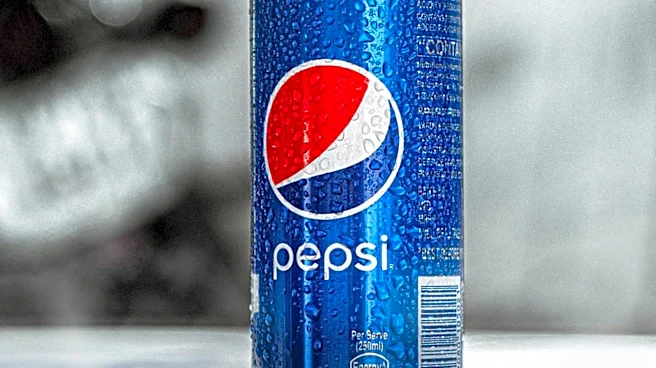
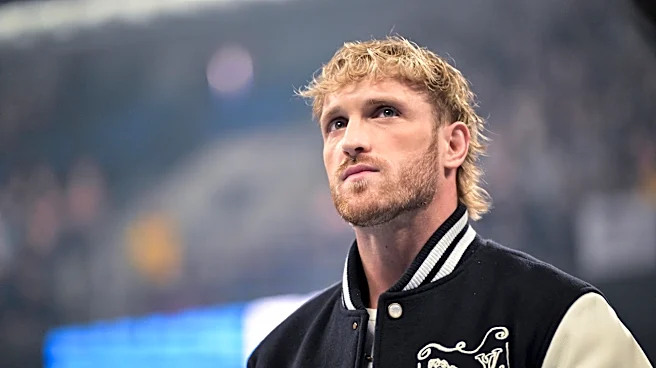
Logan Paul's beverage company, Prime Hydration, experienced a substantial decline in sales and market presence in 2024, following a peak performance in 2023. After achieving $1.2 billion in sales in 2023, the brand saw its UK revenue drop by 70%, from
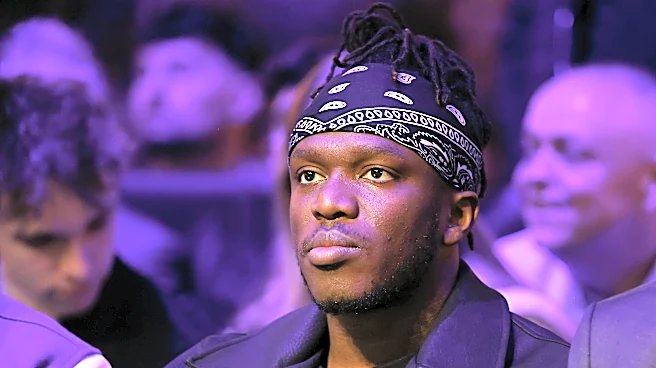
£112 million to £33 million within a year, making it the fastest-falling food or drink brand in the UK in 2024. In the U.S., sales were down 40% by mid-2024, primarily due to a decrease in new customer acquisition. The company's Australian entity also collapsed in July, owing over A$8 million and resulting in all staff being laid off. Logan Paul himself acknowledged that not selling the company at its peak was a 'massive mistake,' estimating a loss of at least $100 million. The brand, co-founded with KSI, initially leveraged their combined 40 million followers, strategic scarcity marketing, and high-profile sponsorships with entities like Arsenal, UFC, WWE, and the LA Dodgers to achieve rapid growth and briefly outsell Gatorade in Walmart's hydration aisle.
Why It's Important?
The rapid rise and subsequent decline of Prime Hydration highlight the volatile nature of influencer-driven brands and the challenges of sustaining viral marketing success. The initial boom demonstrated the immense power of social media personalities like Logan Paul and KSI to create demand and generate massive sales, even briefly surpassing established brands. However, the sharp drop in sales indicates that hype and scarcity alone are insufficient for long-term brand loyalty and growth. This situation serves as a cautionary tale for businesses relying heavily on a few prominent faces, as public sentiment can quickly shift, impacting brand perception and sales. The financial setbacks, including the collapse of the Australian company, underscore the risks associated with rapid expansion without a robust, diversified marketing strategy and sustained product appeal beyond initial novelty. The experience also offers insights into consumer behavior, where initial excitement can wane, leading to a 'cool to hate' phenomenon on social media, which directly affects brand performance.
What's Next?
Prime Hydration will likely need to re-evaluate its marketing and brand strategy to counteract the negative social media sentiment and declining sales. Logan Paul's public acknowledgment of past mistakes suggests a potential shift in approach, possibly moving away from reliance on just two prominent figures. Future strategies might involve diversifying creator partnerships, as suggested by industry observations about brands utilizing hundreds of voices rather than just one or two, to build a more resilient and broad-based consumer connection. The company may also need to innovate its product line or marketing messages to rekindle consumer interest and differentiate itself in a competitive beverage market. The ongoing financial implications, particularly after the Australian company's collapse, will require careful management to prevent further erosion of the brand's value and market presence. The brand's ability to adapt to changing consumer preferences and social media trends will be crucial for its survival and potential recovery.
Beyond the Headlines
The trajectory of Prime Hydration offers a deeper look into the evolving landscape of modern commerce, where digital influence can create meteoric rises but also precipitous falls. It underscores the ethical considerations for influencers who promote products, as their personal brand becomes inextricably linked to the product's success and public perception. The 'cool to hate' phenomenon observed with Prime reflects a broader cultural trend where online communities can quickly turn against once-popular entities, highlighting the fragility of digital fame and brand loyalty. This case also raises questions about the sustainability of business models built primarily on viral marketing and scarcity tactics, suggesting that genuine product value and consistent consumer engagement are ultimately more critical than initial hype. The legal implications, such as the supplier's lawsuit blaming 'fading social media buzz,' point to the increasing legal complexities in the influencer marketing space, where the intangible nature of online engagement can have tangible financial consequences.