






What's Happening?
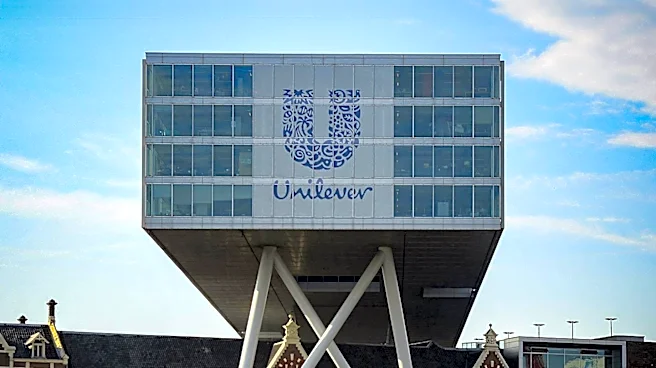
Unilever's Vice President of Global Sustainability, Rianne Buter, has detailed the company's decade-long experience with locally led innovation, emphasizing the benefits of partnering with local impact enterprises. Through initiatives like TRANSFORM,
a joint effort with the UK’s Foreign, Commonwealth & Development Office (FCDO) and EY, Unilever has collaborated with social entrepreneurs deeply embedded in their communities. These partnerships have enabled Unilever to test and scale solutions that offer both commercial value and positive social impact, particularly in markets with incomplete infrastructure or constrained purchasing power. Buter notes that these local organizations provide a deep understanding of environmental and social challenges and offer innovative ways to address them, often unearthing novel approaches that defy traditional corporate models. Unilever has gained significant insights from these collaborations, which have reshaped its thinking on various aspects, from refill systems to digital tools for small retailers.
Why It's Important?
This approach by Unilever holds significant importance for the U.S. business landscape, particularly for large corporations seeking sustainable growth and innovation. It demonstrates a viable model for integrating social responsibility with business objectives, moving beyond traditional R&D to leverage grassroots innovation. For U.S. companies, this highlights the potential of engaging with local communities and smaller enterprises to identify market-specific solutions and foster economic development. It suggests that a focus on local insights can lead to more effective and culturally relevant product development and service delivery, which can be crucial for market penetration and brand loyalty. Furthermore, this model can contribute to addressing social and environmental challenges, aligning corporate goals with broader societal needs and potentially enhancing corporate reputation and consumer trust in the U.S. market.
What's Next?
Unilever is expected to continue and potentially expand its strategy of partnering with locally led impact enterprises, integrating these insights into its global operations. The company will likely seek to scale successful pilot programs, such as the refill systems and digital platforms, across more markets. This could lead to further investments in social entrepreneurship and community-based innovation hubs. Other multinational corporations, including those in the U.S., may observe Unilever's success and adopt similar models to drive innovation and achieve sustainability goals. This trend could foster a more collaborative ecosystem between large corporations and local enterprises, leading to a greater emphasis on localized solutions and community engagement in global business strategies. The continued focus on understanding local conditions will be crucial for developing products and services that resonate with diverse consumer bases.
Beyond the Headlines
Unilever's decade of locally led innovation points to a fundamental shift in how large corporations can approach problem-solving and market development. It underscores the ethical and practical advantages of co-creation with communities, moving away from a top-down approach to one that values local knowledge and entrepreneurial spirit. This model challenges the notion that innovation primarily originates from centralized R&D labs, suggesting that some of the most impactful solutions emerge from the ground up, especially in underserved markets. The ethical dimension lies in empowering local economies and addressing specific community needs, rather than imposing universal solutions. Culturally, it promotes a more inclusive and responsive business practice, recognizing the diversity of global consumer needs and environmental contexts. This long-term shift could redefine corporate social responsibility, making it an integral part of business strategy rather than a separate philanthropic endeavor, ultimately fostering more resilient and equitable economic systems.