
What's Happening?
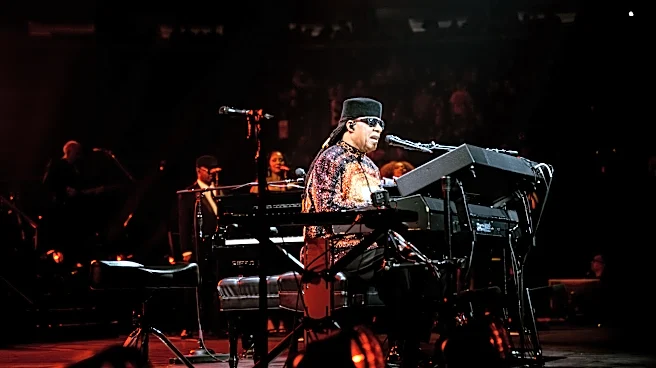
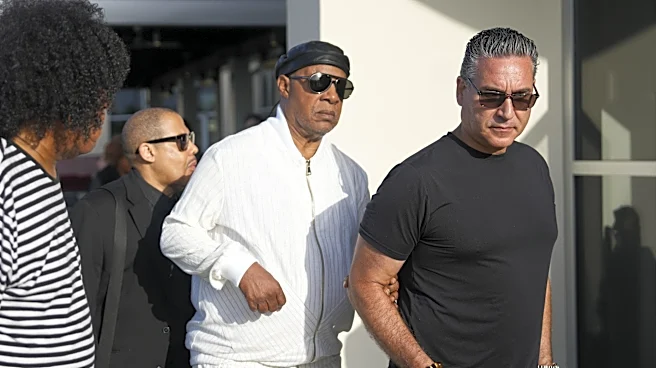
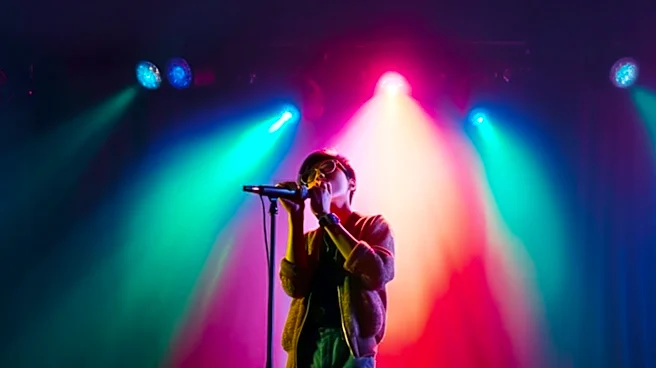
During a performance on November 21, as part of his Songs in the Key of Life 50th-anniversary tour, legendary musician Stevie Wonder publicly addressed persistent rumors regarding his vision. For decades,
speculation has circulated that Wonder might not be entirely blind, fueled by various anecdotes from celebrities like Lionel Richie and Shaquille O'Neal. Wonder, who was born prematurely in May 1950 and lost his sight shortly after birth due to retinopathy of prematurity, directly confronted these claims. He humorously challenged anyone who believes he can see or drive to 'get in the car with me and we’ll see what happens to us at the end,' eliciting laughter from the audience. A clip of this exchange, shared by PopCrave, quickly gained traction online.
Why It's Important?
Stevie Wonder's public acknowledgment of the blindness rumors is significant as it directly addresses a long-standing topic of public fascination and speculation surrounding one of music's most iconic figures. His humorous yet firm response serves to demystify a persistent conspiracy theory that has followed him throughout his career. This moment highlights the unique challenges and public scrutiny faced by celebrities, particularly when personal health conditions become subjects of widespread conjecture. For his fans and the broader public, it offers a rare glimpse into how Wonder navigates such personal inquiries, reinforcing his authenticity and resilience. The viral nature of his response also demonstrates the power of social media in amplifying celebrity interactions and shaping public discourse around personal narratives.
What's Next?
While Stevie Wonder's recent remarks provided a definitive and humorous closure to the long-running rumors about his vision, it is unlikely to completely eradicate all speculation. However, his direct address is expected to significantly reduce the frequency and intensity of such discussions in mainstream media and among his fan base. The viral clip will likely continue to circulate, serving as a memorable moment in his career and a testament to his ability to engage with public curiosity with grace and humor. Future interviews or public appearances may see him briefly reference this moment, but the topic is now largely settled from his perspective, allowing focus to return to his musical contributions and upcoming tour dates, including 18 international shows announced for 2026.
Beyond the Headlines
The enduring rumors about Stevie Wonder's blindness touch upon deeper societal perceptions of disability and celebrity. The public's fascination with whether Wonder 'can really see' reflects a broader tendency to question and sensationalize the experiences of individuals with disabilities, particularly those who achieve extraordinary success. It also highlights a cultural discomfort with the unknown or the perceived 'unbelievable,' where a person's exceptional talent might lead some to doubt their stated physical limitations. Wonder's consistent maintenance of his blindness, despite the anecdotes, underscores the importance of respecting personal narratives and medical realities over speculative narratives, even in the realm of celebrity. His response serves as a subtle commentary on the public's often intrusive curiosity and the need for greater understanding and acceptance of diverse human experiences.