






What's Happening?
Ensuring fire code compliance is a critical, multi-faceted process for building projects, particularly during renovations or changes in occupancy. A fire code compliance example for a clinic renovation highlights that what appears to be a simple interior
fit-out can significantly impact egress, fire protection systems, and occupancy classification. The process involves a thorough code review before finalizing layouts, verifying exit routes, travel distances, fire-rated construction, and the proper functioning of sprinkler and fire alarm systems. Issues such as inadequate sprinkler coverage in new rooms, obstructed exit routes, or incorrect firestopping can lead to permit delays, failed inspections, or costly rework after finishes are installed. Field verification at various construction stages, rather than waiting for a final inspection, is emphasized as crucial for identifying and correcting deficiencies early. Documentation of approved drawings, product data, and inspection reports is also vital for final approval and future maintenance.
Why It's Important?
Fire code compliance is paramount for public safety, directly impacting the well-being of building occupants. Non-compliance can result in severe consequences, including loss of life, significant property damage, and legal liabilities for building owners and project teams. For businesses, delays in obtaining occupancy permits due to code violations can lead to substantial financial losses from lost revenue and extended project timelines. The complexity of interconnected systems—such as architectural layouts, mechanical designs, and fire protection—means that a minor change in one area can have cascading effects on overall compliance. This necessitates a coordinated approach among all design and construction professionals. The emphasis on early assessment and continuous verification throughout the project lifecycle underscores the importance of proactive risk management in the construction industry, ensuring that buildings are not only aesthetically pleasing but also safe and legally compliant.
What's Next?
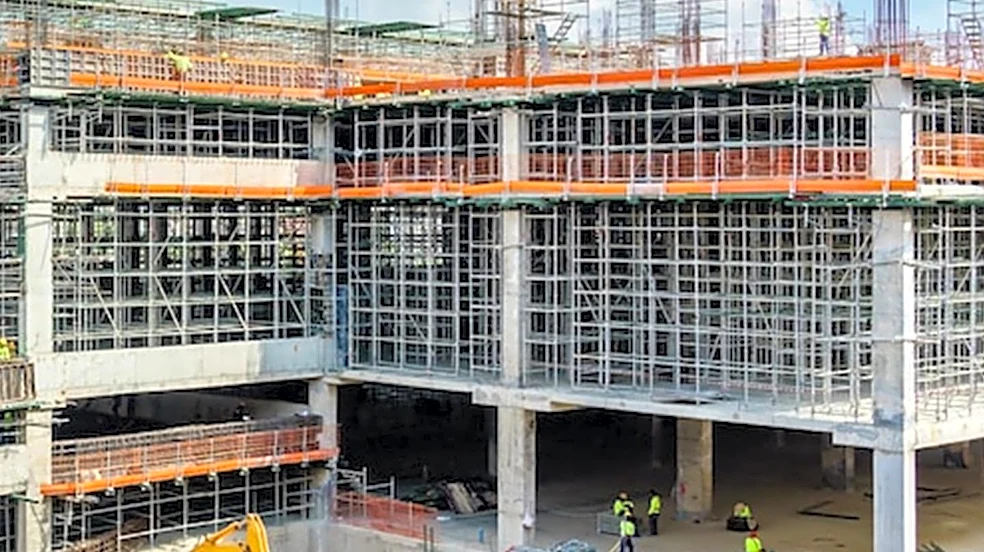
The article suggests that the strongest projects begin with a comprehensive code and existing-condition assessment before any lease commitments or detailed design work. This proactive approach helps identify governing codes, use classifications, available exits, and required fire protection systems early on. Moving forward, architects, fire protection designers, MEP engineers, and contractors must coordinate their information to resolve conflicts before installation. Responsible licensed professionals are expected to prepare and manage necessary documents with relevant authorities. Continuous field verification during construction, particularly after framing, before walls are closed, and after overhead MEP installation, will be essential. This workflow aims to ensure that fire safety is integrated into every stage of a project, from initial design to final acceptance, making the path to occupancy more predictable and secure.
Beyond the Headlines
Beyond the immediate safety and financial implications, robust fire code compliance fosters a culture of accountability and professionalism within the construction and real estate industries. It highlights the ethical responsibility of all stakeholders—from developers and designers to contractors and building owners—to prioritize safety over cost-cutting or expediency. The intricate nature of fire codes and their application also points to the need for ongoing education and training for professionals to stay abreast of evolving regulations and best practices. Furthermore, the article implicitly touches upon the role of regulatory bodies and authorities having jurisdiction (AHJs) in enforcing these codes, underscoring the importance of clear communication and consistent interpretation to avoid ambiguity and ensure uniform application across projects. Ultimately, effective fire code compliance contributes to the long-term resilience and sustainability of urban infrastructure.