

What's Happening?
Studio apartment design is evolving to prioritize the allocation of floor area based on the frequency of activities rather than assigning permanent furniture to every potential need. This approach aims to create distinct zones for sleeping, living, and
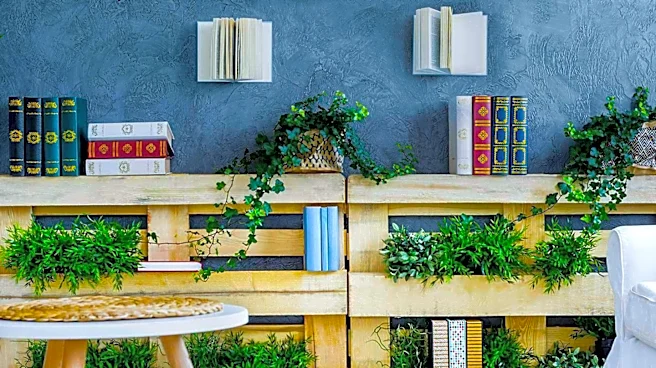
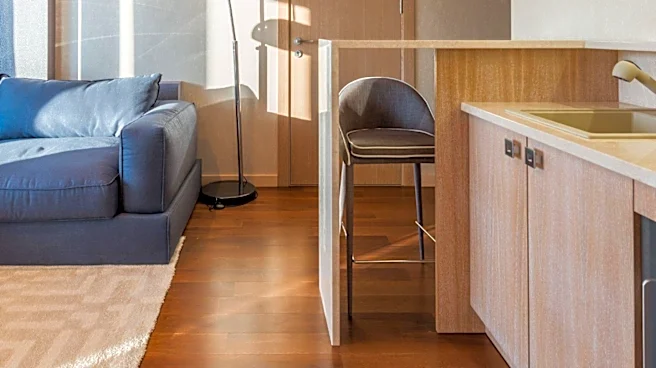
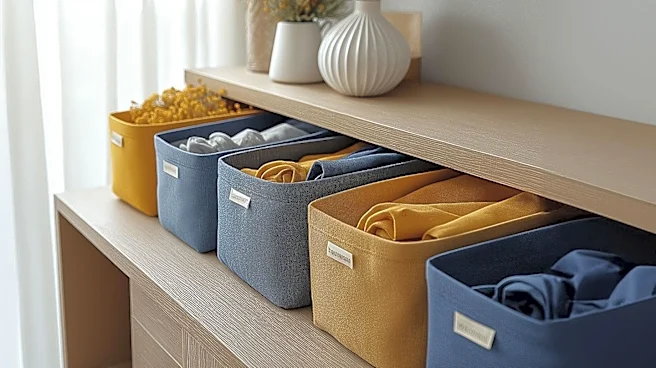
working while maintaining a spacious feel within a single room. Key strategies include utilizing vertical and concealed storage, such as wall-mounted shelves and built-in cabinets, to minimize the need for additional floor-standing units. Flexible furniture, like lift-top coffee tables, is being incorporated to provide adaptable surfaces for occasional tasks without requiring dedicated desks. The emphasis is on planning layouts around actual routines to prevent less frequent activities from consuming valuable floor space. Designers are also focusing on creating visual distinctions between areas using furniture direction, rugs, lighting, and open dividers, rather than relying on heavy screens or curtains that might break up the room's open feel. The goal is to ensure that the living function has sufficient visual presence so that the bed does not become the sole focal point of the room.
Why It's Important?
This shift in studio apartment design is important for urban dwellers and the real estate market, particularly in areas with high population density and limited living spaces. By optimizing the use of available square footage, these design principles can make smaller apartments more functional and appealing, potentially increasing their market value and desirability. For individuals, a well-designed studio can significantly improve quality of life by reducing clutter, enhancing organization, and creating a more comfortable and versatile living environment. This approach also encourages a more mindful consumption of space, aligning with trends towards minimalism and sustainable living. The focus on flexible and multi-functional furniture can also lead to cost savings for residents, as they may not need to purchase as many specialized items. Furthermore, for developers and landlords, offering thoughtfully designed studio apartments can attract a broader tenant base, as these units can cater to various lifestyles, from young professionals to those seeking efficient urban living.
What's Next?
The trend towards activity-based studio apartment design is likely to continue influencing architectural and interior design practices. We can expect to see more innovative furniture solutions that offer multiple functions and integrated storage. Manufacturers may increasingly focus on modular and customizable pieces that can adapt to different living needs and spatial constraints. Real estate developers might incorporate these design principles into new construction projects, marketing studios not just by their size but by their functional efficiency and adaptability. Additionally, interior designers specializing in small spaces will likely see increased demand for their expertise in creating personalized and efficient studio layouts. Educational resources and online platforms offering design tips for small spaces will also continue to grow, empowering residents to implement these strategies in their own homes. The emphasis will remain on creating spaces that are not only aesthetically pleasing but also highly practical and responsive to the daily lives of their inhabitants.
Beyond the Headlines
Beyond the immediate benefits of improved living spaces, this design philosophy reflects a broader cultural shift towards valuing experiences and functionality over sheer size. It challenges traditional notions of home ownership and living, suggesting that quality of space can be achieved through intelligent design rather than expansive square footage. This approach also has environmental implications, as smaller, more efficiently designed homes generally require fewer resources to build, heat, and cool. It could contribute to more sustainable urban development by making higher-density living more attractive and viable. Furthermore, the psychological impact of living in a well-organized and functional small space can be significant, potentially reducing stress and promoting a sense of calm and control. The focus on personal routines and activities in design also highlights a growing recognition of individual needs and preferences in shaping living environments, moving away from one-size-fits-all solutions towards more personalized and adaptive spaces.