






What's Happening?
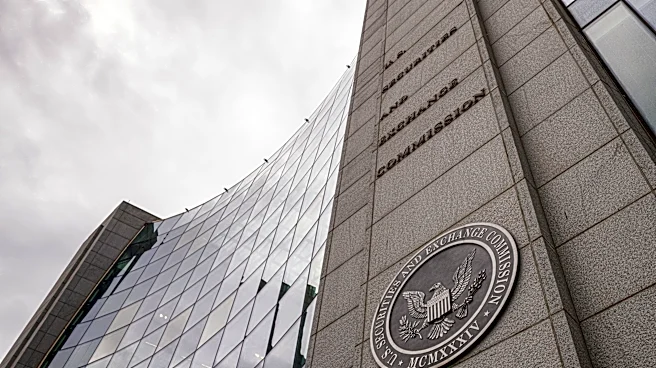
The U.S. Securities and Exchange Commission (SEC) is intensifying its scrutiny of yield-generating crypto lending products, analyzing them under the investment-contract framework of securities law. This involves assessing whether participants invest money
in a common enterprise with an expectation of profit derived from the efforts of others. Many lending and 'earn' products, where returns are generated by the platform's deployment of pooled assets, are likely to meet this test. A positive finding of securities classification by the SEC carries significant consequences, including demanding registration, disclosure, and prospectus-style obligations. This approach contributes to the complex regulatory landscape for crypto lending, which also involves virtual asset service provider (VASP) regimes and traditional banking supervision. The SEC's focus on this area is part of a broader trend where regulators globally are increasingly treating yield-bearing crypto products as investment contracts or financial instruments, leading to a multi-agency and multi-state licensing challenge in the U.S.
Why It's Important?
The SEC's rigorous application of securities law to crypto lending products has profound implications for the U.S. digital asset market. For crypto platforms, a securities classification means facing substantially higher compliance costs and operational complexities due to stringent registration, disclosure, and anti-fraud requirements. This could deter new entrants and force existing platforms to restructure their offerings or exit the U.S. market. For investors, while increased regulation aims to enhance protection through greater transparency and accountability, it could also limit access to certain yield-generating products. The 'high' regulatory burden in the U.S., driven by multi-agency and multi-state licensing, creates a fragmented and potentially lengthy approval process, impacting innovation and market growth. The central risk of securities classification means that platforms must carefully structure their products to avoid unintended regulatory consequences.
What's Next?
Crypto lending platforms operating in or targeting the U.S. market will need to prioritize a thorough legal characterization of their products to determine applicable licensing requirements. This will involve engaging with legal experts to navigate the complex interplay of federal and state regulations, including potential securities registration, FinCEN money-services registration, and state money-transmitter or lending licenses. Platforms should anticipate a variable and potentially lengthy licensing process, especially across multiple states. The SEC's continued enforcement actions will likely shape future product development and market behavior, pushing platforms towards more compliant structures. Companies may also need to enhance their compliance programs, including AML/KYC, custody, and consumer protection measures, to meet the heightened regulatory expectations.
Beyond the Headlines
The SEC's stance on crypto lending highlights a fundamental tension between financial innovation and investor protection. While the digital asset space offers new avenues for investment and financial services, regulators are grappling with how to apply existing legal frameworks to novel technologies. The 'investment-contract' analysis, rooted in the Howey Test, is a decades-old standard being adapted to a rapidly evolving digital landscape. This ongoing reclassification trend could lead to a more mature and regulated crypto market in the U.S., but it also risks stifling innovation if regulatory burdens become too prohibitive. The outcome of these regulatory efforts will not only define the future of crypto lending but also set precedents for how other emerging digital financial products are treated under U.S. law, potentially influencing global regulatory approaches.