




What's Happening?
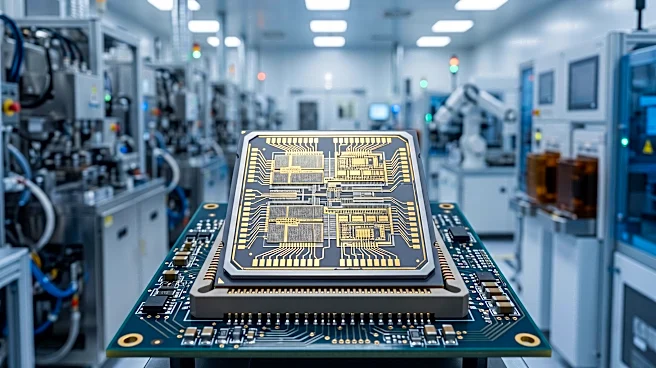
Tencent is undergoing a significant transformation, moving away from its traditional 'light-asset' software and social networking model to a 'heavy-asset' approach focused on artificial intelligence. This strategic pivot involves substantial upfront investments
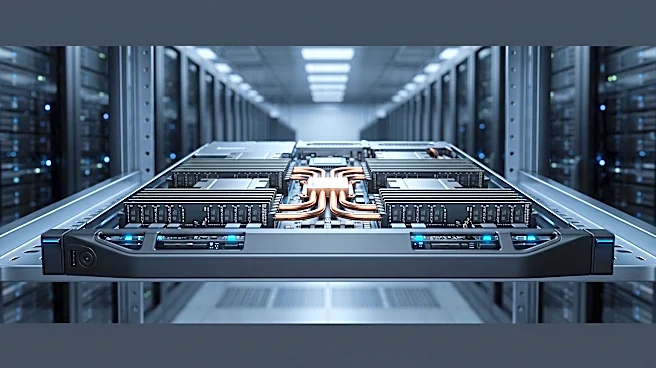
in computing power and infrastructure for large AI models. The company's capital expenditure in a single quarter reached 81.4 billion yuan, more than six times that of the same period last year, leading to a shift from a net cash position to a net debt of 13.7 billion yuan in just half a year. Co-founder Pony Ma has urged employees to 'reset their mindset' and 'completely break down sectarianism and territorial awareness' to facilitate this change. Internally, Tencent has restructured its AI development, merging research and infrastructure departments, and adopting a 'Co-design' method where front-line teams help set evaluation criteria for models. This shift is evident in the rapid growth of products like WorkBuddy, an AI agent workspace that has exceeded 10 million daily active users and achieved significant revenue growth by integrating both Tencent's Hunyuan model and other large model vendors.
Why It's Important?
This strategic overhaul by Tencent signals a fundamental shift in the competitive landscape of the global technology sector, particularly in AI. By investing heavily in foundational AI infrastructure, Tencent is positioning itself to be a major player in the large model era, where upfront capital and long-term commitment are crucial. This move could redefine how technology companies operate, emphasizing deep technological capabilities over traditional traffic-driven models. The company's willingness to transform its balance sheet and internal culture underscores the perceived necessity of this change for future growth. The success of products like WorkBuddy, which leverages AI to enhance enterprise productivity and introduces new revenue models based on usage, demonstrates a potential pathway for monetizing these heavy AI investments. This transformation could set a precedent for other tech giants, influencing investment strategies and organizational structures across the industry as they adapt to the demands of AI development.
What's Next?
Tencent anticipates continued high-intensity capital expenditure until at least 2027 as it completes its 'factory' for AI model training. The company plans to further integrate AI into its existing businesses, aiming to use AI to increase efficiency and reallocate manpower to new growth engines. The next generation of its Hunyuan AI model is expected, though its launch timeline may be affected by ongoing chip supply challenges. Tencent will also continue to monetize its surplus computing power by offering Model-as-a-Service and GPU leasing to external customers through Tencent Cloud. Internally, the company will focus on flattening management hierarchies and organizing smaller, more agile front-end teams to foster innovation and reduce communication costs. The market will closely watch Tencent's upcoming financial reports for indications of return on investment from these substantial AI expenditures and the continued growth of its AI-powered products.
Beyond the Headlines
Tencent's transformation represents a deeper philosophical shift from a 'lightness' model, where low replication costs and traffic control were paramount, to a 'heaviness' model driven by industrial-scale AI infrastructure. This move challenges the very business, organizational, and cultural norms that propelled Tencent to its previous success. The company is essentially 'opposing Tencent's past self' to adapt to a new technological paradigm where underlying tokens and computing power, rather than user duration on interfaces, become the core consumption. This could lead to a broader re-evaluation of business models across the internet industry, as AI agents may reduce user time on single pages while increasing consumption of underlying computational resources. The ethical implications of such powerful AI agents, their integration into daily workflows, and the potential for increased data consumption and processing also warrant close observation as Tencent and other tech giants push these boundaries.