







What's Happening?
Crane Aerospace & Electronics is a key player in the Aircraft Electrical Conversion Systems Market, which is projected to grow at a Compound Annual Growth Rate (CAGR) of 7.1% from 2026 to 2033. The company, alongside major competitors such as Collins
Aerospace, Honeywell International, GE Aviation, Safran Group, AMETEK, Astronics Corporation, and Thales Group, is focused on developing advanced power distribution units, solid-state power controllers, and voltage regulators. These systems are crucial for transforming variable engine power into stable electrical energy required for cockpit avionics and cabin systems in modern aircraft. The market is experiencing significant transformation due to the aerospace industry's shift towards more efficient, electrified architectures, moving away from traditional pneumatic and hydraulic systems to More Electric Aircraft (MEA) designs. This trend increases the demand for sophisticated power management solutions, with a growing reliance on high-density power electronics to manage voltage fluctuations and ensure reliability across commercial, military, and urban air mobility sectors.
Why It's Important?
The growth of the Aircraft Electrical Conversion Systems Market is vital for the U.S. aerospace and defense industries, as it underpins the technological evolution of modern aircraft. Companies like Crane Aerospace & Electronics are at the forefront of this innovation, contributing to the development of more fuel-efficient and technologically advanced aircraft. The shift towards More Electric Aircraft (MEA) configurations reduces weight and mechanical complexity, directly impacting operational costs for airlines and enhancing performance for military applications. The increasing complexity of modern avionics suites necessitates more robust power management, driving demand for higher-capacity and more intelligent conversion units. This market also supports the burgeoning urban air mobility sector and next-generation commercial jets, creating new opportunities for specialized, compact conversion hardware. U.S. companies in this sector stand to gain from increased demand, while those failing to innovate in power electronics may lose market share.
What's Next?
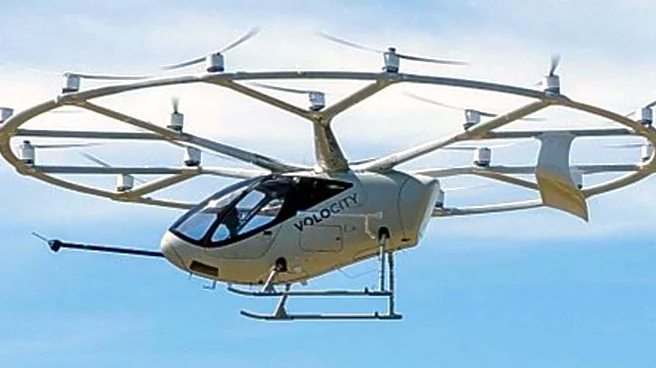
The market is expected to continue its shift towards solid-state power distribution and high-frequency conversion technologies, aiming to minimize weight and enhance efficiency. Manufacturers like Crane Aerospace & Electronics will likely prioritize research into wide-bandgap semiconductors, such as Silicon Carbide (SiC), to improve thermal management and overall system efficiency. There is also a clear trend of consolidation within the industry, as companies seek to offer integrated electrical architectures rather than standalone components. Strategic partnerships between power electronics specialists and airframe manufacturers will be essential to secure early-stage design wins in next-generation aircraft programs. The rise of electric vertical takeoff and landing (eVTOL) aircraft represents a significant emerging opportunity, pushing for further advancements in power electronics and conversion systems to meet new demands for electrification in urban air mobility.
Beyond the Headlines
The evolution of aircraft electrical conversion systems has broader implications beyond immediate technological advancements. The push for More Electric Aircraft (MEA) designs reflects a long-term industry commitment to sustainability and operational efficiency, potentially reducing the environmental footprint of aviation through decreased fuel consumption and emissions. The stringent regulatory landscape, defined by safety certification standards from authorities like the Federal Aviation Administration (FAA) and the European Union Aviation Safety Agency (EASA), ensures that these critical systems meet the highest levels of reliability and safety. This regulatory environment fosters continuous innovation in materials and design, pushing companies to develop robust systems capable of withstanding extreme conditions. Furthermore, the intellectual property laws and export control regulations, especially for military applications, highlight the strategic importance of this sector for national security and technological leadership.