




What's Happening?
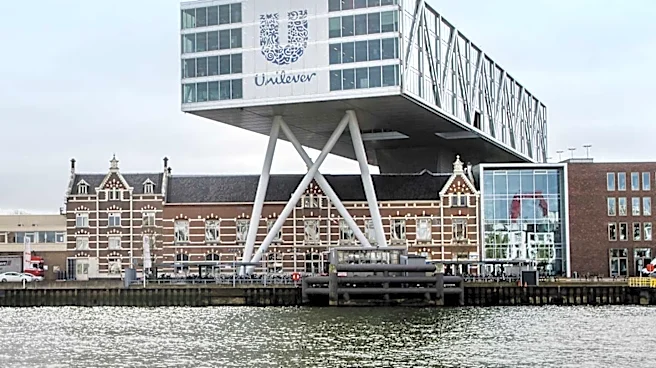
A Hamburg court has ruled that Unilever's use of the 'sustainably grown' label on its Pfanni dumpling mix potatoes was misleading. This decision has prompted Unilever to remove the claim from its packaging and website. The ruling highlights an increasing
scrutiny of environmental marketing claims, which could significantly impact Unilever's brand positioning, compliance costs, and its broader strategy for communicating sustainability across its diverse product portfolio. This development comes as Unilever is undergoing a portfolio reshaping, including the planned demerger of its food businesses and the creation of the Magnum Ice Cream Company, aiming for a leaner group focused on categories with strong brand power and pricing ability. The court's decision introduces an additional layer of execution risk for the company, particularly concerning the marketing and packaging of its core brands.
Why It's Important?
This court ruling is important because it signals a growing trend of regulatory and legal challenges against 'green' marketing claims, often referred to as 'greenwashing.' For U.S. businesses, especially those with international operations or aspirations, this case serves as a precedent and a warning. It underscores the necessity for companies to have robust, verifiable data to back up any environmental claims made on their products. Failure to do so can lead to legal repercussions, reputational damage, and significant compliance costs. The decision could influence how U.S. regulators and consumer advocacy groups approach similar claims, potentially leading to stricter guidelines and increased enforcement domestically. Companies that genuinely invest in sustainable practices stand to gain from clearer, more regulated marketing, while those making unsubstantiated claims face increased scrutiny and potential penalties, impacting consumer trust and market share.
What's Next?
Unilever will need to adjust its marketing and labeling practices to comply with the Hamburg court's decision, specifically for its Pfanni dumpling mix. More broadly, the company is likely to review and potentially revise its sustainability claims across its entire product range to avoid similar legal challenges in other jurisdictions. This could involve investing more in transparent reporting, third-party certifications, and clearer communication about its environmental initiatives. For the wider consumer goods industry, particularly those operating in the U.S. and Europe, this ruling suggests an impending era of heightened scrutiny on environmental claims. Companies may proactively audit their marketing materials and supply chains to ensure compliance, potentially leading to a more standardized and credible approach to sustainability labeling. This could also spur legislative efforts to define and regulate 'green' claims more rigorously.
Beyond the Headlines
The Hamburg court's decision on Unilever's 'sustainably grown' label delves into the ethical and legal dimensions of corporate environmental responsibility. Beyond the immediate financial and compliance implications, this ruling reflects a broader societal demand for authenticity and transparency from corporations regarding their environmental impact. It highlights the challenge for companies to balance consumer desire for sustainable products with the complex realities of global supply chains and agricultural practices. The case could contribute to a cultural shift where consumers become more discerning about environmental claims, pushing brands to not only adopt sustainable practices but also to communicate them with verifiable evidence. This could lead to a re-evaluation of what constitutes 'sustainability' in marketing, fostering a more honest dialogue between producers and consumers and potentially driving genuine innovation in environmentally friendly production methods.