






What's Happening?
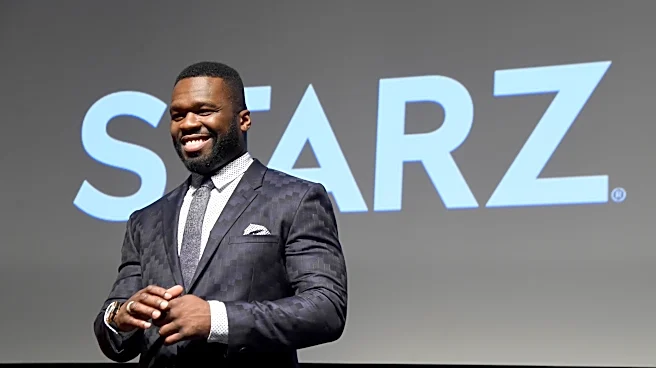
Byron Allen, known for hosting 'Comics Unleashed' and his recent media acquisitions, has sold his 10.7% stake in Starz for just under $45 million. This divestment occurred piecemeal through August and September. Earlier this year, Allen had embarked on a media shopping
spree, which included acquiring a controlling stake in BuzzFeed and Stephen Colbert’s late-night timeslot through a time-buy agreement with CBS. In March, Allen attempted a hostile takeover of Starz by purchasing 1.8 million shares from former Treasury Secretary Steven Mnuchin, making him the cable channel’s second-largest stockholder. In response, Starz executives adopted a 'poison pill' strategy, allowing shareholders to buy stock at a 50% discount if any entity acquired a 17.5% ownership stake. Despite this, Allen had previously stated his intention to control Starz, aiming for two streaming platforms: an AVOD platform (like BuzzFeed and HuffPost) and an SVOD platform (Starz). His current sale suggests a change in this strategy.
Why It's Important?
This move by Byron Allen has significant implications for the media landscape, particularly in the streaming and content ownership sectors. His initial aggressive acquisition of a substantial stake in Starz signaled a potential shift in ownership and strategic direction for the premium cable network. The 'poison pill' defense employed by Starz highlights the lengths to which companies will go to protect themselves from unwanted takeovers, setting a precedent for future corporate defense strategies in the media industry. Allen's stated ambition to control both AVOD and SVOD platforms reflects a broader industry trend towards consolidating content distribution and ownership. His decision to sell his stake, despite previous declarations of intent to control Starz, could indicate a reassessment of market conditions, a strategic pivot, or a realization of the challenges in executing such a takeover. This event affects investors in media companies, as it demonstrates the volatility and strategic maneuvering common in high-stakes corporate acquisitions.
What's Next?
The sale of Byron Allen's Starz stake could lead to several outcomes. For Starz, it removes the immediate threat of a hostile takeover from Allen, potentially stabilizing its ownership structure and allowing its current management to pursue their long-term strategies without external pressure. For Allen, the $45 million generated from the sale could be reinvested into his other media ventures, such as BuzzFeed or his time-buy agreement with CBS for Stephen Colbert's late-night slot, or used to pursue new acquisition targets. The market will likely watch for Allen's next moves to understand his revised strategy in the competitive media industry. This event may also encourage other media companies to review their own defense mechanisms against hostile takeovers, especially given the increasing consolidation in the sector. The long-term impact on Starz's market valuation and strategic partnerships will depend on its ability to leverage this period of stability.
Beyond the Headlines
Beyond the immediate financial transactions, this episode underscores the intense competition and strategic complexities within the U.S. media industry. The pursuit of both AVOD (advertising-supported video on demand) and SVOD (subscription video on demand) platforms by a single entity, as Allen had envisioned, reflects the evolving business models in content consumption. The 'poison pill' defense, while a common corporate tactic, raises questions about shareholder rights versus board autonomy in critical ownership decisions. This event also highlights the influence of individual media moguls like Byron Allen in shaping the industry's future, as their investment decisions can trigger significant market shifts. The narrative of a media shopping spree followed by a strategic divestment offers a glimpse into the high-risk, high-reward nature of media acquisitions and the constant re-evaluation of market opportunities and challenges.