





What's Happening?
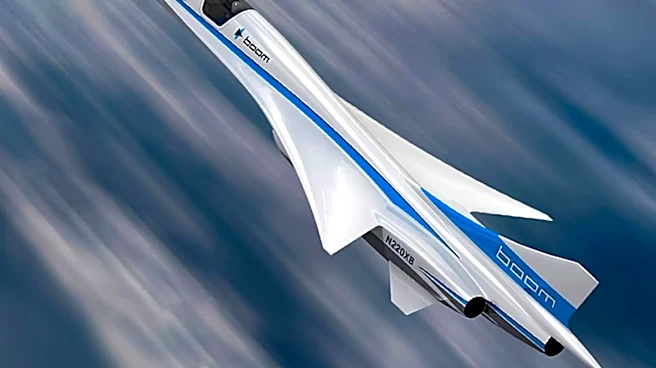
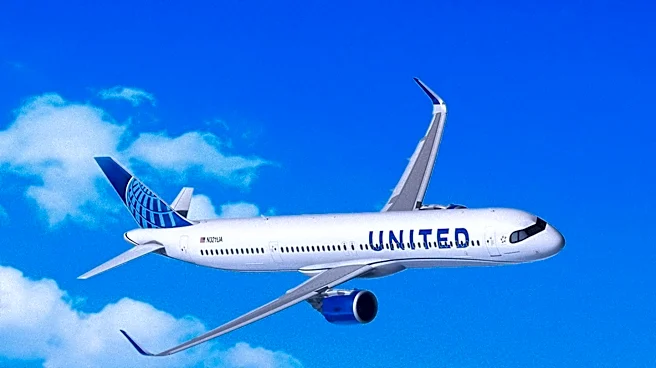
Scott Kirby, CEO of United Airlines, has publicly stated that Boom Supersonic's Overture jet will not achieve its target of entering commercial service by 2029. Kirby made these comments on the Office Hours: Business Edition podcast, noting that the development
and certification process will take longer than Boom Supersonic has projected. United Airlines holds a purchase agreement for 15 Overture aircraft, with options for an additional 35, but this agreement is contingent on the aircraft meeting the airline's safety, operating, and sustainability requirements. Boom Supersonic's public schedule has previously experienced delays, with earlier projections for rollout, first flight, and passenger service not being met. The engine program, Symphony, also faces challenges, as Rolls-Royce previously withdrew from its partnership with Boom. Boom's current focus includes the development of its Sprint Core, an experimental turbine core, and a separate product called Superpower, a 42-megawatt gas turbine for AI data centers.
Why It's Important?
The skepticism from United Airlines CEO Scott Kirby carries significant weight for the future of supersonic commercial flight and the aviation industry. As a key airline partner with a substantial conditional order, United's assessment directly impacts investor confidence and the perceived viability of Boom Overture. Delays in such ambitious projects can lead to increased development costs, potential loss of market advantage, and a reevaluation of the business case for supersonic travel. This situation highlights the immense technical and regulatory hurdles involved in bringing advanced aircraft to market, particularly those pushing the boundaries of speed and efficiency. The outcome of Boom Overture's development will influence future investments in supersonic technology and could shape the competitive landscape of long-haul air travel, affecting both manufacturers and airlines globally.
What's Next?
Boom Supersonic is expected to continue its development efforts for the Overture and its Symphony engine. A critical milestone to watch is the scheduled first firing of the Sprint Core, an experimental turbine core, before the end of November 2026. The success of this test will provide concrete data against the growing skepticism from the airline community. Boom is also pursuing its Superpower turbine project, aiming for initial deliveries in mid-2027, which could provide manufacturing credibility and an independent revenue stream. The company's ability to meet these upcoming technical milestones and address the concerns raised by United Airlines will be crucial for its program's future. The FAA's ongoing work to finalize supersonic operating and noise rules by mid-2027 will also be a significant factor, as regulatory clarity is essential for the commercial viability of supersonic aircraft.
Beyond the Headlines
The challenges faced by Boom Overture, as highlighted by United Airlines CEO Scott Kirby, underscore the complex interplay of technological innovation, economic realities, and regulatory frameworks in the aerospace industry. The pursuit of supersonic commercial flight, decades after the Concorde's retirement, represents a significant engineering feat but also raises questions about environmental impact, noise pollution, and fuel efficiency. The development of Superpower, a turbine for AI data centers, as a parallel project, suggests a strategic diversification by Boom to mitigate risks and leverage its core engine technology in other high-growth sectors. This dual approach could set a precedent for aerospace companies seeking to fund ambitious projects through diversified revenue streams. The ultimate success or failure of Overture will not only impact the future of air travel but also provide valuable lessons on the commercialization of cutting-edge technologies and the balance between innovation and practicality.