





What's Happening?
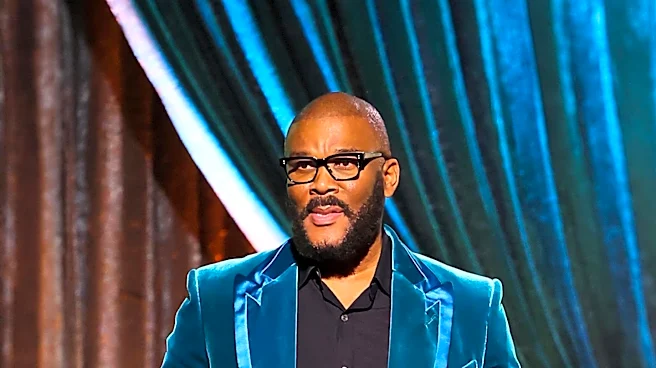
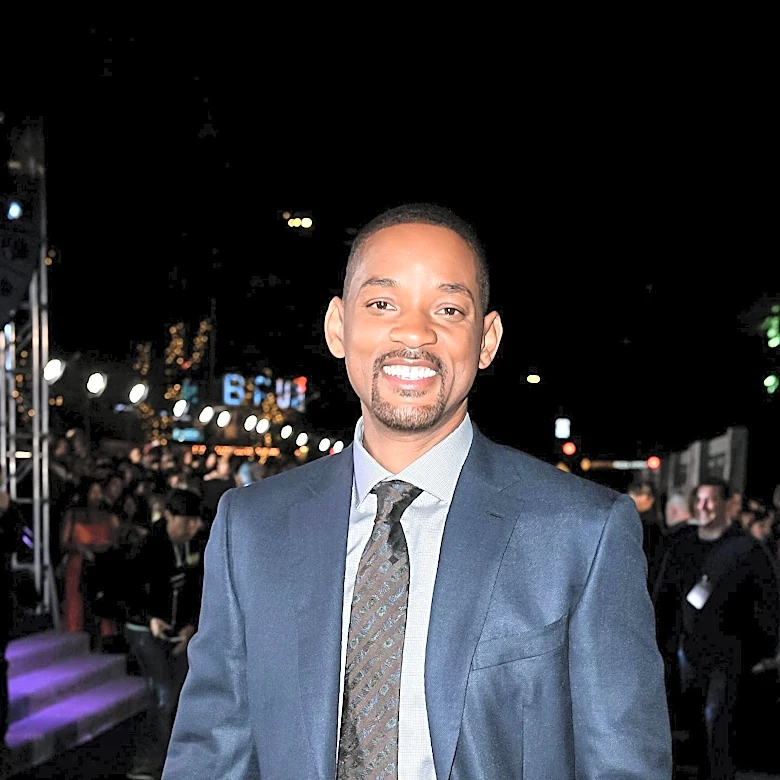
Filmmakers Tyler Perry and Spike Lee, two prominent Black figures in Hollywood, engaged in a public disagreement regarding the portrayal of Black America in film and television. Spike Lee, known for works like 'Do the Right Thing' and 'Malcolm X,' criticized
some modern productions, including Perry's 'House of Payne' and 'Meet the Browns,' as 'coonery and buffoonery,' arguing they reinforced harmful stereotypes. Lee believed Black filmmakers had a responsibility to challenge such images due to Hollywood's historical use of damaging portrayals. Conversely, Tyler Perry defended his work, stating his characters, such as Madea, were inspired by real women he knew and represented working-class, religious, and comedic aspects of Black communities. Perry emphasized that his productions catered to an audience often overlooked by mainstream Hollywood, asserting that ticket-buyers had the right to choose their representation. The debate, which began in 2009, escalated in 2011 with Perry's strong rejection of Lee's criticisms. Despite their initial public exchange, the two filmmakers later reconciled privately, with Lee visiting Perry at his Atlanta home. In 2019, Perry honored Lee by naming a soundstage at Tyler Perry Studios after him, an event Lee attended and praised as historic.
Why It's Important?
This public disagreement between Tyler Perry and Spike Lee is significant because it underscores a broader, ongoing debate within the entertainment industry and Black culture about artistic freedom, representation, and stereotypes. It highlights the pressure placed on Black creators to represent an entire race, a burden often not applied to White filmmakers. Lee's stance emphasized the historical responsibility of Black artists to counteract damaging stereotypes, advocating for challenging and complex narratives. Perry's defense championed the right of artists to tell diverse stories that resonate with specific audiences, including those focused on faith, family, and comedy, which he argued were equally valid expressions of Black life. The reconciliation between the two filmmakers demonstrates that differing artistic visions can coexist and that mutual respect for accomplishments can prevail despite initial disagreements. This dialogue contributes to a richer understanding of the multifaceted nature of Black identity and storytelling, pushing the industry to acknowledge and support a wider spectrum of narratives.
What's Next?
The reconciliation between Tyler Perry and Spike Lee, marked by the naming of a soundstage in Lee's honor, suggests a potential shift towards greater collaboration and mutual recognition within the Black filmmaking community. This event could encourage other artists to engage in constructive dialogue about representation, rather than solely focusing on criticism. The ongoing success of both filmmakers, with their distinct approaches, will likely continue to expand the possibilities for Black ownership and storytelling in Hollywood. Future projects from both Lee and Perry, as well as emerging Black filmmakers, may reflect a more nuanced understanding of diverse Black experiences, potentially leading to a wider array of narratives that challenge monolithic portrayals. The industry may also see increased efforts to support independent Black cinema, following Perry's model of building a successful empire by catering to an underserved audience.
Beyond the Headlines
The disagreement between Perry and Lee delves into deeper implications concerning the ethics of representation and the internal critiques within marginalized communities. It raises questions about who holds the authority to define 'authentic' Black experiences and whether artists have a moral obligation to uplift or challenge certain images. The debate also touches upon the commercial viability of different storytelling approaches; Perry's success demonstrated that a focus on family, faith, and comedy could build a massive independent empire, while Lee's work often pushed boundaries with political and social commentary. This dynamic highlights the tension between artistic integrity, commercial success, and social responsibility. Ultimately, their reconciliation signifies a mature recognition that diverse perspectives and storytelling methods are essential for a comprehensive and authentic portrayal of any community, fostering a more inclusive and robust cinematic landscape for Black artists.