


What's Happening?
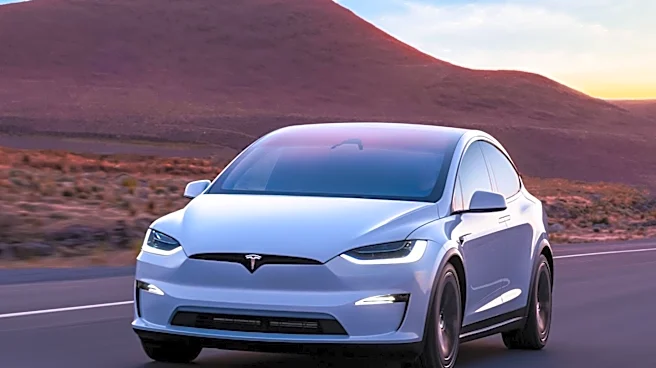
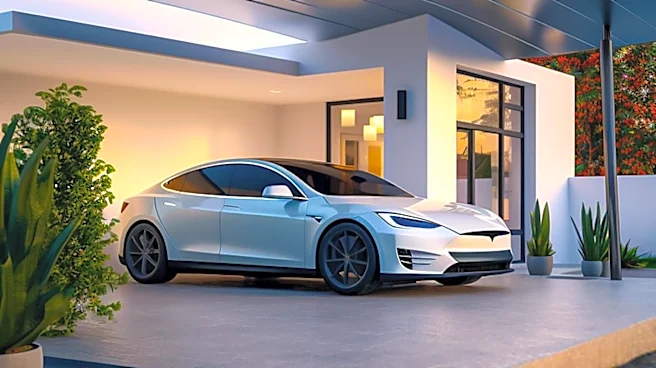
Tesla reported a decline in profits for the second quarter as the company increased its research and development spending. The car manufacturer, led by Elon Musk, saw its net income fall to $1.11 billion, or 32 cents per share, missing Wall Street's expectations.
Despite a 26% rise in revenue to $28.24 billion, Tesla's focus on developing its robotaxis and robotics businesses has led to higher R&D costs. The company is investing heavily in AI software and infrastructure, which Musk believes will yield significant returns in the future.
Why It's Important?
Tesla's increased R&D spending highlights the company's commitment to innovation and its strategic shift towards autonomous vehicles and robotics. This move is significant for the automotive industry as it could redefine transportation and mobility solutions. However, the financial impact of these investments raises questions about Tesla's short-term profitability and market performance. Investors and industry stakeholders are closely watching Tesla's progress in these areas, as successful implementation could solidify its leadership in the evolving automotive landscape.
What's Next?
Tesla plans to continue its R&D investments, with capital expenditures expected to exceed $25 billion this year. The company aims to expand its robotaxi fleet and develop its Optimus humanoid robot. As Tesla advances these projects, it may face challenges related to regulatory approvals, safety concerns, and market acceptance. The company's ability to navigate these hurdles will be crucial for its long-term success. Stakeholders will be monitoring Tesla's developments and market responses to assess the viability of its ambitious plans.