

What's Happening?
Y2K fashion, encompassing styles from the late 1990s to the early 2000s (roughly 1997-2004), is experiencing a significant revival, largely driven by Gen Z and Millennial nostalgia. This aesthetic is characterized by bold colors, metallic textures, low-rise
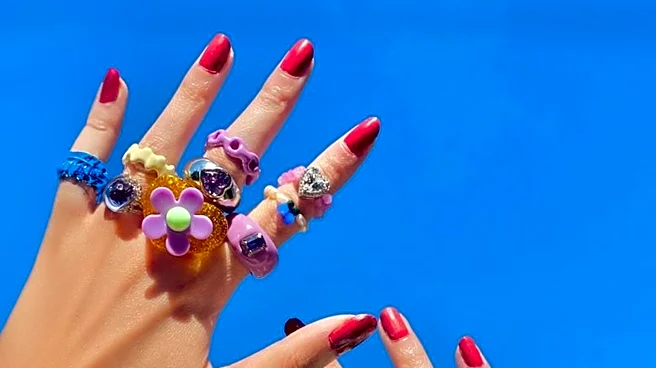
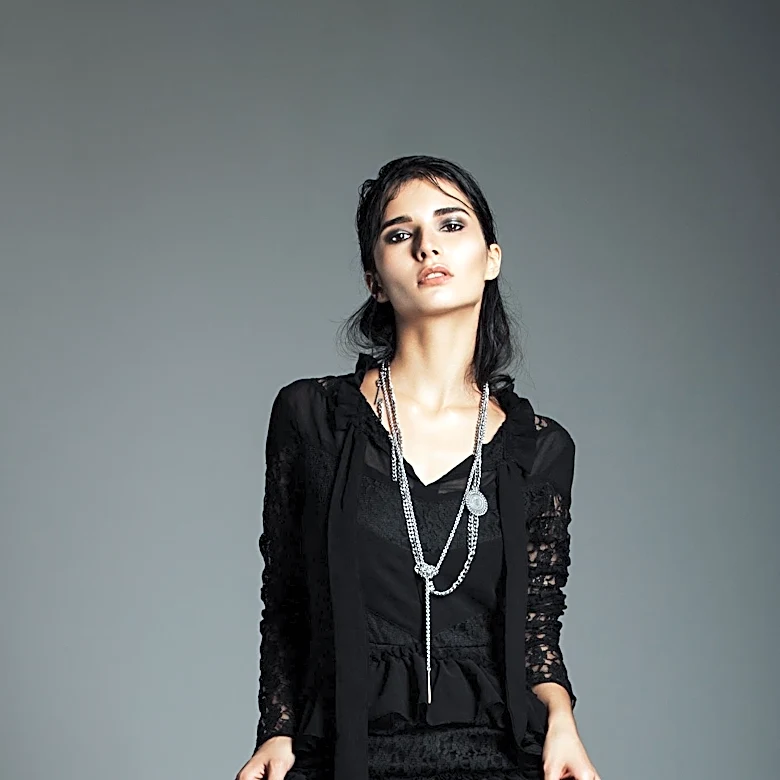
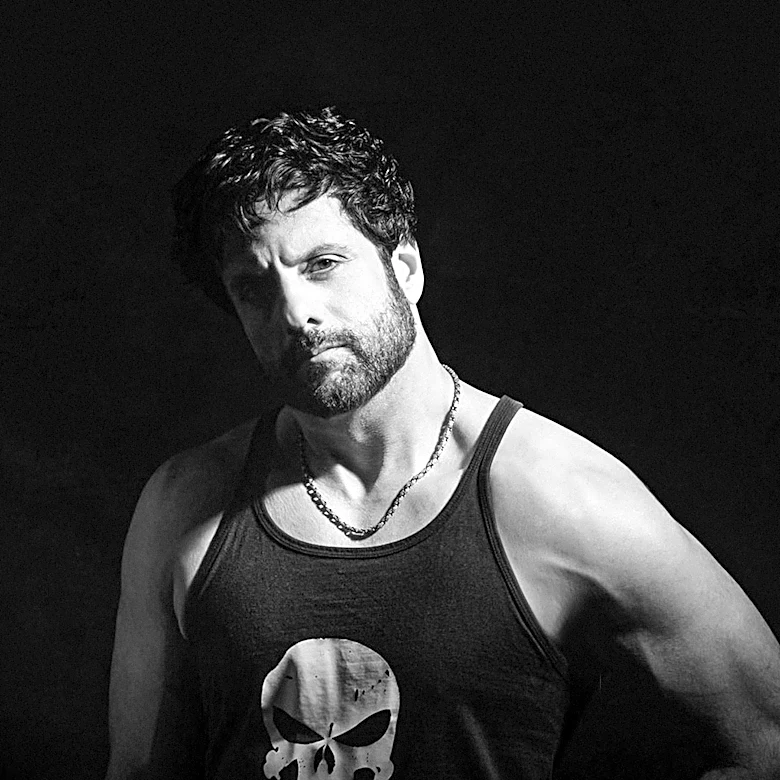
jeans, crop tops, and a playful, futuristic attitude. Key elements for women include low-rise jeans, visible thongs, logomania from brands like Juicy Couture, tiny shoulder bags, butterfly hair clips, and velour tracksuits. Menswear features baggy jeans, oversized graphic t-shirts, cargo pants, and chunky sneakers. The color palette is vibrant, with icy blues, bright oranges, and vivid yellows, often paired with shiny fabrics, vinyl, and rhinestones. This resurgence is attributed to a 20-year fashion cycle, Gen Z's fascination with an era they didn't fully experience, and the influence of social media platforms like TikTok.
Why It's Important?
The return of Y2K fashion significantly impacts the U.S. retail and fashion industries. Brands are responding by reintroducing iconic pieces and incorporating Y2K elements into new collections, influencing consumer spending and design trends. This trend also highlights the power of social media, particularly TikTok, in driving and accelerating fashion cycles, making it a crucial platform for marketers. For Gen Z, Y2K fashion offers a form of 'vicarious nostalgia' and escapism, providing a connection to a perceived simpler time. The emphasis on vintage and secondhand Y2K pieces also aligns with growing sustainability concerns among younger consumers, influencing purchasing habits and the growth of the resale market.
What's Next?
The Y2K fashion trend is expected to continue evolving, with designers and retailers likely to further integrate its elements into mainstream fashion. Social media will remain a primary driver, with new interpretations and viral challenges keeping the aesthetic fresh. The distinction between Y2K (tech-inspired, futuristic) and McBling (flashier, rhinestone-heavy, mid-2000s) may become more pronounced as the trend matures, offering more nuanced sub-aesthetics. The sustainability aspect, driven by Gen Z's preference for vintage, suggests a continued boost for thrift stores and online resale platforms. This ongoing revival could also inspire other cultural returns, as the 20-year cycle brings more past trends back into the spotlight.
Beyond the Headlines
The Y2K fashion revival is more than just a fleeting trend; it reflects deeper cultural and psychological undercurrents. For many, it represents a longing for a pre-smartphone era, a time perceived as less digitally saturated and more optimistic about the future. The playful and bold nature of Y2K fashion can be seen as a form of rebellion against current anxieties, offering a sense of carefree self-expression. This trend also underscores the cyclical nature of cultural memory and how generations reinterpret the past through their own lenses. The influence of pop culture icons like Britney Spears and Paris Hilton from that era continues to resonate, demonstrating the enduring power of celebrity in shaping aesthetic preferences and consumer desires.