







What's Happening?
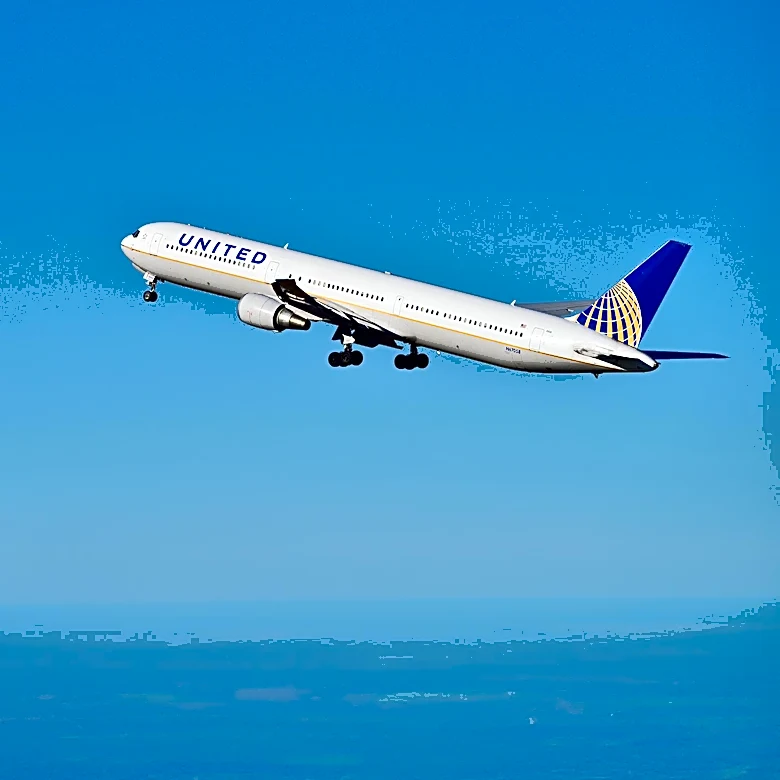
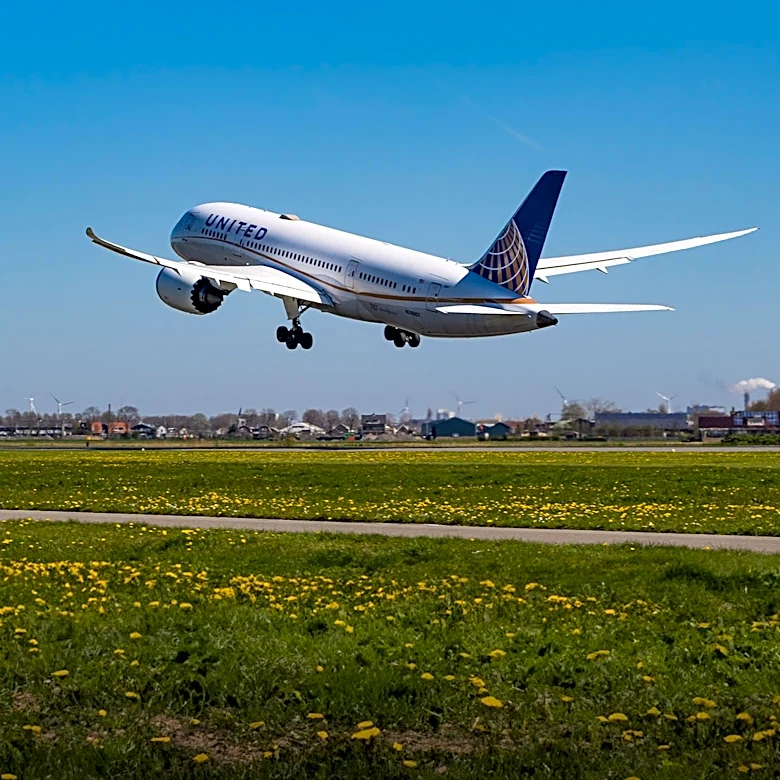
United Airlines is set to completely withdraw from Tulum International Airport (TQO) by early next year, marking the end of its service to the Mexican Riviera Maya destination. The airline had initially launched nonstop flights to Tulum from Chicago (ORD),
Los Angeles (LAX), Newark (EWR), and Houston (IAH). While service from Chicago and Los Angeles was previously discontinued, United will conclude its operations by ending its Newark route on January 2, 2027, and its final Houston flight on January 4, 2027. Passengers affected by these cancellations will receive full refunds to their original payment method. This move follows a trend of U.S. carriers trimming capacity in the region, with JetBlue also having cut its route into TQO due to softening demand. American Airlines and Delta Air Lines, however, continue to maintain service to Tulum.
Why It's Important?
United Airlines' complete exit from Tulum International Airport signifies a notable shift in U.S. airline strategy for the Mexican Riviera Maya region. This decision, coupled with JetBlue's earlier capacity cuts, indicates a re-evaluation of market profitability and demand by major U.S. carriers. The initial rush by airlines to establish routes to TQO when it opened in spring 2024 was met with challenges, including premium hotel pricing in Tulum and softer-than-expected leisure demand. This has led airlines to shift capacity back to Cancun International (CUN), which offers greater flight frequency, generally lower airfares, and established hotel transport infrastructure. For U.S. travelers, this means fewer direct flight options to Tulum and potentially higher reliance on Cancun as the primary gateway to the region, impacting travel convenience and potentially increasing overall travel costs for those specifically targeting Tulum.
What's Next?
Following United Airlines' withdrawal, passengers planning travel to Tulum will need to consider alternative flight arrangements, likely involving American Airlines or Delta Air Lines, which still maintain service to TQO, or flying into Cancun International (CUN) and arranging ground transportation. The shift of airline capacity back to CUN suggests that this airport will continue to be the dominant hub for the region, offering more competitive pricing and a wider array of flight options. Tulum International Airport will need to address the factors that led to the reduced demand, such as hotel pricing and infrastructure, to attract more airline service in the future. The market will likely see continued adjustments as airlines monitor demand and profitability in the Mexican Riviera Maya.
Beyond the Headlines
United Airlines' decision to exit Tulum International Airport highlights the dynamic and often unpredictable nature of the airline industry, particularly concerning new international routes. The initial enthusiasm for TQO, driven by its potential as a new tourist gateway, quickly faced the realities of market demand and operational profitability. This situation underscores the importance of comprehensive market analysis beyond initial projections, including factors like local pricing, existing infrastructure, and competitive alternatives. The preference for Cancun International (CUN) by airlines and travelers alike demonstrates the enduring value of established hubs with robust infrastructure and diverse offerings. This event could serve as a case study for future airport developments, emphasizing the need for new airports to not only attract airlines but also to ensure a sustainable ecosystem that supports consistent demand and competitive pricing for travelers.