







What's Happening?
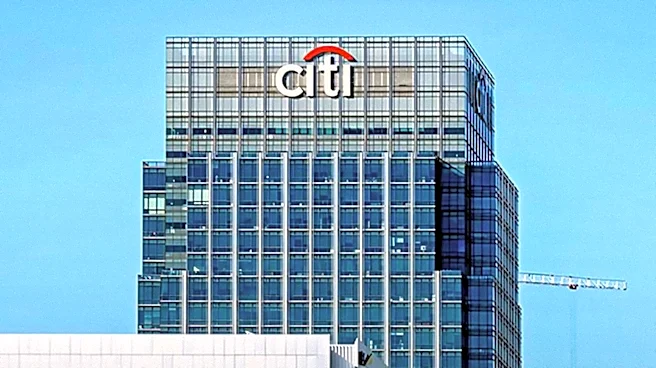
Citi has announced an internship opportunity for its Services – Treasury and Trade Solutions division in São Paulo, Brazil, for the year 2027. The position, posted on November 6, 2026, is a hybrid role designed for individuals who will graduate college
by December 2028. This internship is part of Citi's Management Development Programs and aims to equip interns with the necessary knowledge and training for a long-term career within the company. Citi's Services organization supports institutional clients globally with innovative solutions for cash management, trade finance, liquidity optimization, working capital, and transaction streamlining. The company emphasizes its global presence in over 90 countries and its client-first approach, leveraging cutting-edge technology, including advanced analytics and artificial intelligence (AI), to enhance offerings and provide deeper insights to clients. This includes using AI-powered tools for predictive analytics, automation of routine tasks, and generating actionable insights from vast datasets.
Why It's Important?
This internship program is significant as it highlights Citi's commitment to nurturing future talent in the financial sector, particularly in emerging markets like Brazil. By integrating interns into its Treasury and Trade Solutions division, Citi is investing in the development of professionals who will be adept at navigating complex financial landscapes and utilizing advanced technologies such as AI. The focus on AI and advanced analytics within the internship framework underscores the evolving demands of the financial industry, where technological proficiency is becoming increasingly crucial. For the U.S. financial industry, this initiative reflects a broader trend of global talent acquisition and the integration of advanced technological skills across international operations. It also demonstrates how major U.S. financial institutions are expanding their reach and influence in key global financial hubs, fostering international collaboration and talent exchange. The program's emphasis on developing analytical and problem-solving skills aligns with the critical needs of the modern financial sector, preparing a new generation of professionals to drive business success in an interconnected global economy.
What's Next?
Prospective candidates for the Citi internship in São Paulo are expected to apply, with the program targeting individuals graduating by December 2028. Successful applicants will gain exposure to Citi's global operations and its advanced technological infrastructure, particularly in AI and analytics. The internship is designed to be a foundational step for a long-term career at Citi, indicating potential for future employment and growth within the company's extensive global network. Citi will continue to leverage its presence in over 90 countries to provide seamless financial solutions, with interns contributing to these efforts. The ongoing integration of AI and advanced analytics will likely remain a key focus, further enhancing efficiency and client insights across Citi's services portfolio. This initiative also suggests that other major financial institutions may follow suit, increasing their investment in similar global talent development programs that emphasize technological innovation and international financial expertise.
Beyond the Headlines
The Citi internship in São Paulo reflects a broader strategic shift within the global financial industry towards greater reliance on technology and a more integrated international workforce. The emphasis on AI and advanced analytics is not merely about efficiency but also about gaining a competitive edge in a rapidly evolving financial landscape. This trend raises ethical considerations regarding data privacy and the responsible use of AI in financial decision-making, especially as these technologies become more sophisticated. Culturally, such international programs foster cross-cultural understanding and collaboration, potentially leading to more diverse and inclusive financial practices globally. Long-term, these initiatives could contribute to a more interconnected global financial system, where talent and technological advancements flow more freely across borders, shaping the future of finance and potentially influencing regulatory frameworks to accommodate these new realities.