



What's Happening?
October presents a unique opportunity to visit Croatia, offering a different experience compared to the peak summer months. The weather is generally mild and pleasant, particularly along the coast, though it becomes more unpredictable as the month progresses.
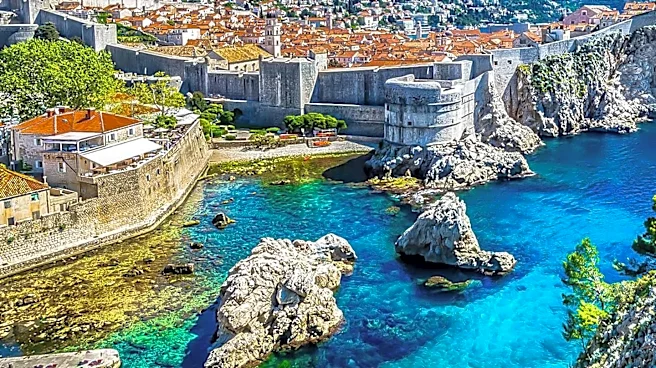
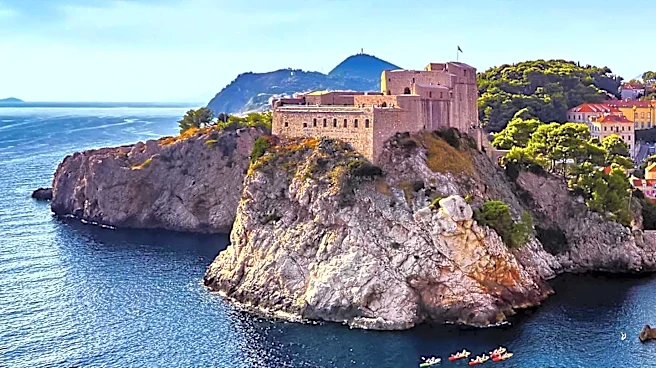
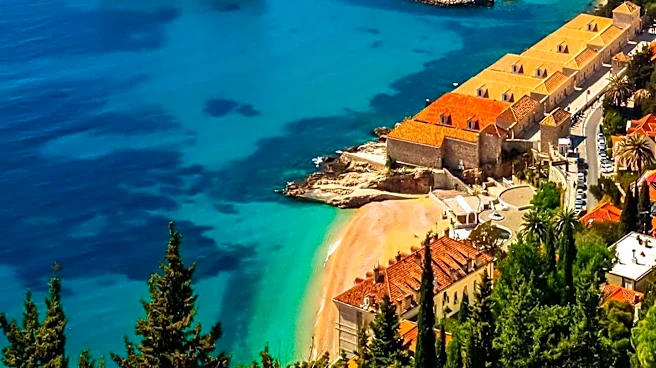
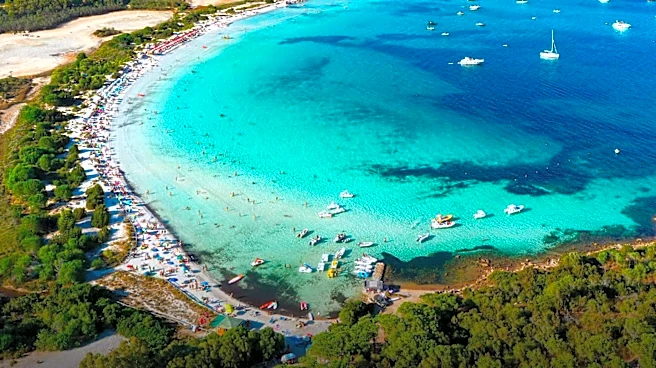
Average coastal temperatures range from 16–23°C, with sea temperatures around 20–22°C, especially in early October. While early October can still feel summery, with possibilities for swimming, the latter half of the month transitions to more autumnal conditions, with cooler temperatures and an increased chance of rain. Popular destinations like Dubrovnik, Split, and Plitvice Lakes National Park are significantly less crowded, allowing for a more peaceful exploration of historical sites and natural beauty. Prices for accommodation and flights are also generally lower than during July and August. However, some seasonal businesses, including certain restaurants, beach bars, and ferry services, begin to close or reduce operations, particularly later in the month. The country also hosts various food and wine festivals in October, celebrating truffle season in Istria and other local produce.
Why It's Important?
For U.S. travelers, understanding the nuances of visiting Croatia in October is crucial for planning an effective and enjoyable trip. The reduced crowds offer a more authentic and less rushed experience of popular tourist sites, which can be a significant advantage for those seeking cultural immersion without the summer bustle. The lower prices for travel and accommodation make Croatia a more accessible destination, potentially appealing to a broader range of budgets. However, the variability in weather and the closure of some seasonal services necessitate careful planning. Travelers prioritizing beach activities and guaranteed hot weather might find October less suitable, while those interested in sightseeing, hiking, and culinary experiences, such as truffle hunting, will find it an ideal time. This shift in tourism dynamics also impacts local businesses, with some adapting to an extended shoulder season while others prepare for winter closures. The focus on local festivals and produce during this time highlights Croatia's rich cultural and gastronomic offerings beyond its summer beach appeal.
What's Next?
Travelers planning a trip to Croatia in October should anticipate a need for flexibility in their itineraries due to unpredictable weather. It is advisable to pack layers, including waterproof clothing, and comfortable walking shoes. Those wishing to swim should aim for early October and consider southern coastal regions. Before traveling, it is recommended to check the operating hours of specific attractions, restaurants, and ferry schedules, as these can change rapidly, especially towards the end of the month. Booking flights and accommodation in advance is still prudent, even with lower prices, particularly for popular destinations. Visitors should also research local food and wine festivals, especially in regions like Istria and Dubrovnik, to take advantage of unique seasonal events. The shift towards a quieter, more local pace means that while some typical summer activities may be unavailable, new opportunities for cultural and natural exploration emerge.
Beyond the Headlines
The trend of visiting Croatia in the shoulder season, such as October, reflects a broader shift in global tourism towards more sustainable and experiential travel. By avoiding peak summer months, travelers contribute to a more even distribution of tourism revenue throughout the year, reducing the strain on local infrastructure and natural resources that often occurs during high season. This also allows for a deeper engagement with local culture and traditions, as the atmosphere is less dominated by mass tourism. The emphasis on culinary events like truffle festivals underscores the importance of gastronomy in Croatia's tourism appeal, offering a unique draw for food enthusiasts. Furthermore, the unpredictable weather in October highlights the need for travelers to embrace adaptability and appreciate diverse experiences, moving beyond a singular focus on beach holidays. This period encourages exploration of Croatia's inland beauty, national parks, and vibrant city life, showcasing the country's multifaceted charm beyond its Adriatic coastline.