





What's Happening?
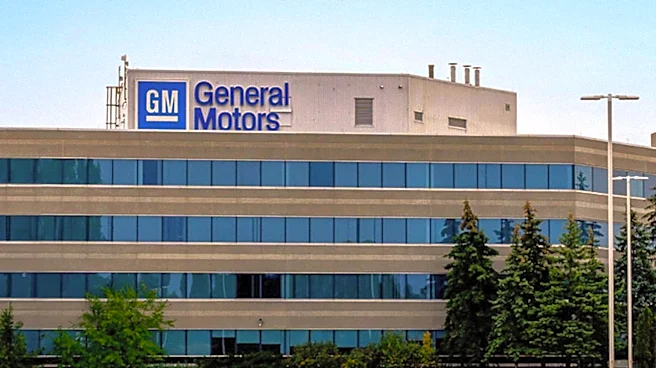
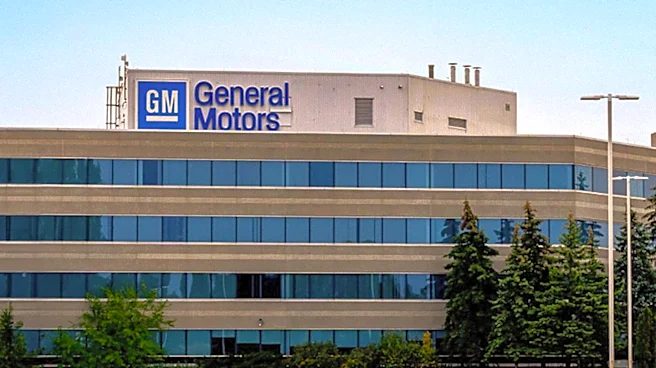
General Motors (GM) is actively recruiting an Entry-Level AI/Machine Learning Researcher to contribute to advanced work in Artificial Intelligence, Machine Learning, and Large Language Models. This role, intended for recent Ph.D. graduates, emphasizes
original research, experimental rigor, and growth toward independent technical leadership within GM R&D. The successful candidate will collaborate with senior researchers and engineering partners to formulate problems, develop new methods, build research prototypes, and validate results. The research areas may include causal reasoning, neurosymbolic AI, world models, multimodal and generative AI, and engineering agents. The position requires connecting theoretical advancements with real engineering needs, maintaining high standards for reproducibility, explainability, uncertainty awareness, and responsible AI. This strategic hire underscores GM's commitment to leveraging cutting-edge AI to enhance its research, engineering, and product development capabilities, aligning with its vision of Zero Crashes, Zero Emissions, and Zero Congestion.
Why It's Important?
This recruitment highlights General Motors' significant investment in artificial intelligence and machine learning, crucial for the future of the automotive industry. By bringing in top-tier AI talent, GM aims to accelerate the development of advanced driver-assistance systems and other innovative technologies. The focus on areas like causal AI and world models suggests an ambition to create more robust and intelligent systems, moving beyond current capabilities. This initiative is vital for GM to maintain a competitive edge in the rapidly evolving automotive landscape, particularly as the industry shifts towards autonomous and electric vehicles. The development of sophisticated AI will not only improve vehicle safety and performance but also streamline engineering processes, potentially leading to faster innovation cycles and more efficient product development. This strategic move could position GM as a leader in automotive AI, influencing industry standards and consumer expectations for future vehicles.
What's Next?
The successful candidate will immediately begin contributing to GM R&D's efforts in AI and machine learning, working on developing proof-of-concepts and evaluating them on engineering or scientific problems. Their work will involve designing, implementing, and evaluating machine learning models using various data types, and developing methods that can reason about physical systems and complex interactions. Collaboration with GM R&D researchers and engineering partners will be key to translating promising ideas into practical applications. The researcher will also be expected to communicate technical findings through reports, presentations, and publications, contributing to the company's intellectual property. This ongoing research and development will directly feed into GM's long-term goals, including the introduction of advanced autonomous driving features and the enhancement of its electric vehicle offerings, with potential impacts on future vehicle models and consumer technologies.
Beyond the Headlines
The pursuit of advanced AI capabilities by General Motors extends beyond mere product development; it signifies a fundamental shift in how automotive companies approach engineering, safety, and user experience. The emphasis on 'responsible AI' in the job description points to a growing awareness of the ethical and societal implications of autonomous technologies. As AI systems become more integrated into vehicles, questions of accountability, bias, and decision-making in complex scenarios will become paramount. GM's investment in areas like neurosymbolic AI and explainability suggests an effort to build AI systems that are not only powerful but also transparent and trustworthy. This deeper engagement with AI ethics and robustness could set a precedent for the industry, influencing regulatory frameworks and public acceptance of autonomous vehicles. Ultimately, the success of these AI initiatives could redefine the relationship between humans and vehicles, transforming mobility and urban planning in profound ways.