





What's Happening?
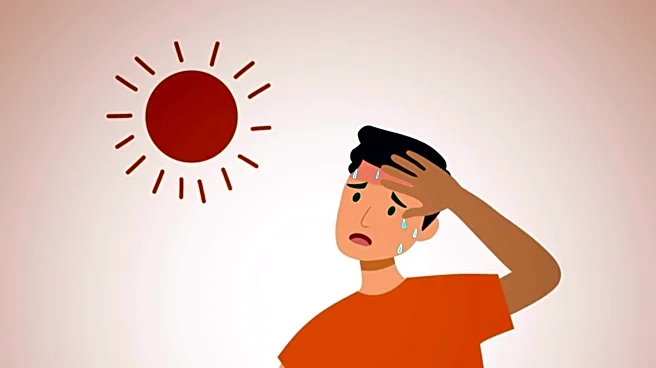
Heat-related illnesses, including heat exhaustion and heat stroke, pose significant health risks during extreme temperatures. Heat exhaustion occurs when the body overheats, leading to symptoms like heavy sweating, weakness, and dizziness. If untreated,
it can progress to heat stroke, a life-threatening condition where the body's temperature exceeds 40°C, causing confusion, seizures, and loss of consciousness. Immediate medical attention is crucial for heat stroke. Preventive measures include staying hydrated, avoiding strenuous activities during peak heat, and seeking cool environments. Recognizing early symptoms and taking prompt action can prevent serious health outcomes.
Why It's Important?
Understanding and preventing heat-related illnesses is vital for public health, especially during heatwaves. These conditions can affect anyone, but vulnerable populations such as the elderly, children, and those with pre-existing health conditions are at higher risk. Public awareness and education on recognizing symptoms and taking preventive measures can reduce hospitalizations and fatalities. Employers and community leaders play a crucial role in ensuring safe working conditions and providing resources for heat relief. Effective management of heat-related illnesses can alleviate the burden on healthcare systems and improve community resilience.
What's Next?
As climate change leads to more frequent and intense heatwaves, public health strategies must adapt to address these challenges. Governments and health organizations may implement heat action plans, including early warning systems and community outreach programs. Research into innovative cooling technologies and urban planning can help mitigate the impact of extreme heat. Collaboration between public health officials, meteorologists, and community organizations will be essential in developing comprehensive strategies to protect populations from heat-related health risks.