






What's Happening?
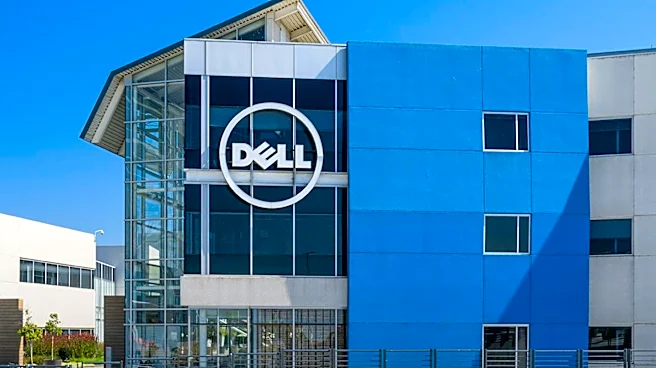
Dell Technologies has demonstrated substantial growth over the past five years, with its stock returning 447%, significantly outperforming Hewlett Packard Enterprise (HPE) which returned 220% in the same period. This success is attributed to key strategic
decisions made by Michael Dell. In 2013, Michael Dell and Silver Lake took Dell private, removing it from public market pressures and allowing for long-term strategic planning. A pivotal move was the 2016 acquisition of EMC, one of the largest tech deals ever, which transformed Dell into a major storage company alongside its server business. This acquisition boosted Dell's revenue from $50.9 billion in fiscal 2016 to $78.7 billion two years later. Dell returned to the stock market in 2018 and further streamlined its operations by spinning off VMware in 2021, using a $9.3 billion VMware dividend to reduce debt. In contrast, HP split into HP Inc and HPE in 2015, and HPE subsequently shed its services and software arms, leading to a revenue decline.
Why It's Important?
Dell's strategic trajectory highlights the potential benefits of private ownership for companies seeking to undergo significant restructuring and expansion without immediate public market scrutiny. The acquisition of EMC allowed Dell to diversify its offerings and become a more comprehensive data center solutions provider, a critical move in the evolving tech landscape. This approach contrasts sharply with HP's decision to split, which resulted in a more fragmented business model. Dell's robust growth in server, storage, and networking sales, reaching $60.8 billion in the first half of the current fiscal year, underscores the effectiveness of its integrated strategy. The company's ability to leverage its direct sales model and supply chain efficiency has also been crucial. For investors, Dell's performance demonstrates the value of long-term vision and strategic acquisitions in driving substantial shareholder returns, even amidst market fluctuations.
What's Next?
While Dell has seen impressive growth, particularly in AI orders, its reliance on a few large buyers, such as neoclouds, for these orders could present future challenges if these buyers slow down. The company's operating margins, at 9.4%, are higher than HPE's 6.2%, indicating better cost management. Dell has also been aggressive in stock buybacks, repurchasing $15.6 billion in three years, compared to HPE's $0.85 billion. Future performance will depend on Dell's ability to maintain its lead in the AI market and diversify its client base for high-margin orders. The ongoing competition with HPE, which recently acquired Juniper Networks, will also be a factor to watch. The market will be observing whether Dell's server growth remains strong and if its strategic decisions continue to yield superior results compared to its competitors.
Beyond the Headlines
The contrasting paths of Dell and HP offer a compelling case study in corporate strategy and leadership. Michael Dell's decision to take the company private and then execute a major acquisition like EMC allowed for a fundamental rebuilding of the company's core business, positioning it for long-term success in the enterprise technology sector. This highlights the strategic advantage that private ownership can offer by insulating a company from short-term market pressures and enabling bold, transformative moves. The success of Dell also underscores the importance of a founder's vision and continuous involvement in steering a company through significant industry shifts. The company's focus on direct sales and supply chain efficiency, combined with strategic acquisitions, has created a resilient business model capable of adapting to rapid technological advancements, such as the rise of AI.