





What's Happening?
Feng shui principles highlight the importance of light and good ventilation in a home to enhance functionality and attract positive energy, which is believed to influence family fortune. A well-lit and airy house is considered to have the 'best feng shui.'
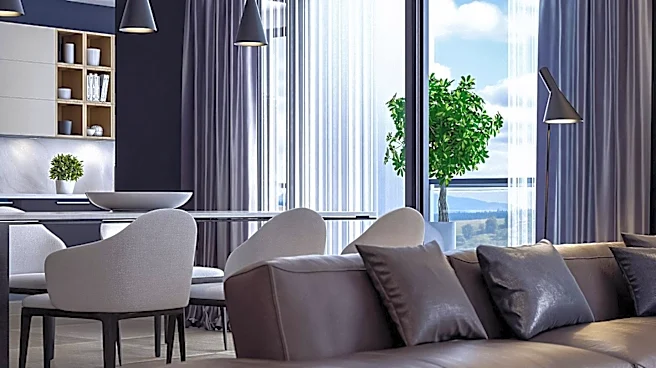
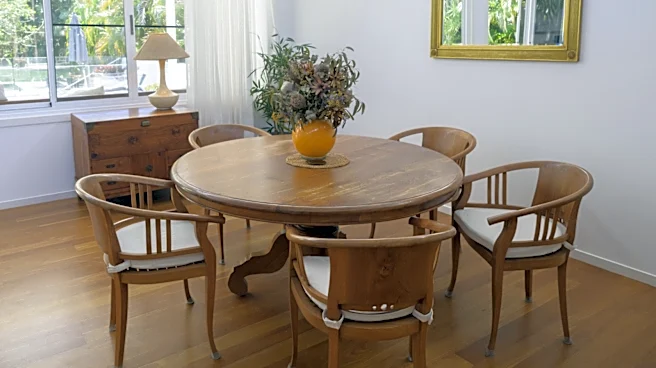
Light, symbolizing the Fire element, helps balance negative (yin) and positive (yang) energies. Good air circulation is also fundamental for maintaining harmony. Conversely, a house with insufficient light and strong yin energy can accumulate negative energy, potentially leading to mental and physical health issues, anxiety, irritability, and financial difficulties. Design tips to achieve good feng shui include keeping windows open, using thin, light-colored curtains, and placing mirrors to reflect light, making spaces appear larger and more inviting. A consistent color palette for walls and ceilings can also blur visual boundaries, creating a seamless look. Light colors like ivory, cream, beige, or soft pastels are recommended as they reflect light better, contributing to a sense of spaciousness.
Why It's Important?
The application of feng shui principles in home design and real estate can have a significant impact on the well-being of occupants and the marketability of properties. By focusing on elements like light and ventilation, individuals can create living spaces that are not only aesthetically pleasing but also conducive to positive mental states and financial prosperity. In the real estate sector, understanding and implementing these principles can make a property more appealing to potential buyers, potentially leading to quicker sales and higher values. For instance, a home staged with feng shui in mind can evoke a sense of warmth and welcome, encouraging buyers to linger and envision themselves in the space. This approach moves beyond mere aesthetics, tapping into a deeper psychological and energetic connection that people form with their environment. The emphasis on balance and harmony can reduce stress and improve overall quality of life, making these considerations relevant for anyone looking to optimize their living or working environment.
What's Next?
As awareness of holistic well-being and intentional living grows, the integration of feng shui principles into modern interior design and architectural practices is likely to expand. Homeowners and real estate professionals may increasingly seek guidance on how to apply these concepts to create more harmonious and attractive spaces. This could lead to a greater demand for feng shui consultations and design services, as well as a broader adoption of related design elements in new constructions and renovations. Educational resources on practical feng shui tips, such as optimizing natural light and airflow, are also expected to become more prevalent. Furthermore, the real estate market might see a trend where properties marketed with good feng shui attributes gain a competitive edge, influencing design choices and staging strategies. The continued blending of ancient wisdom with contemporary design sensibilities will likely shape future trends in residential and commercial spaces.
Beyond the Headlines
The enduring appeal of feng shui extends beyond mere interior decoration; it reflects a deeper human desire for harmony, balance, and well-being in one's environment. The emphasis on light and air, while rooted in ancient philosophy, aligns with modern understandings of healthy living and sustainable design. Natural light is known to boost mood and productivity, while good ventilation improves air quality and reduces the risk of airborne illnesses. Thus, feng shui offers a cultural framework that intuitively promotes practices beneficial for physical and mental health. The belief that these elements can influence fortune and prosperity highlights the psychological impact of one's surroundings; a comfortable and inviting space can foster a sense of security and optimism, which in turn can positively affect personal and professional endeavors. This intersection of ancient wisdom, psychological well-being, and practical design underscores the holistic nature of human interaction with built environments.