




What's Happening?
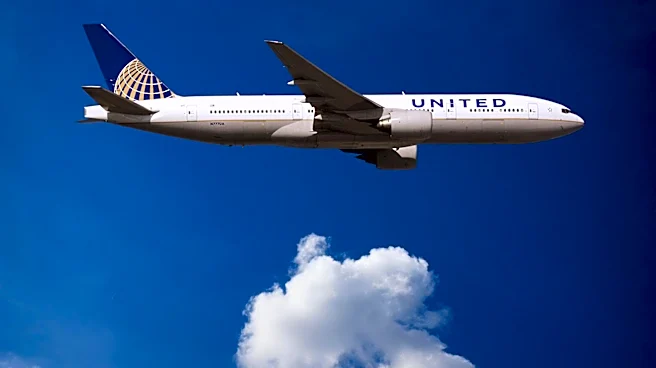
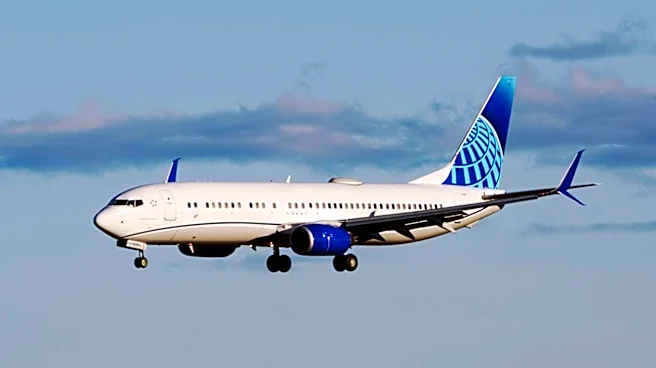
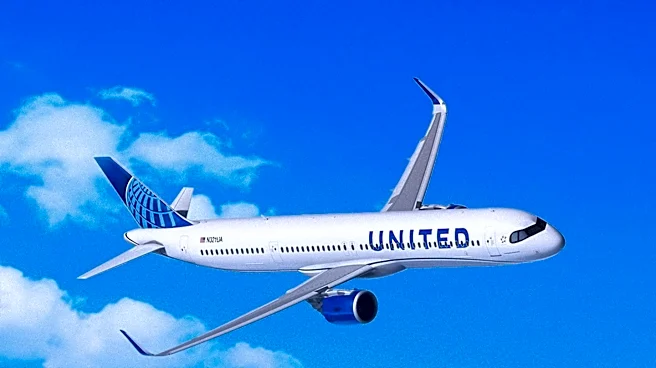
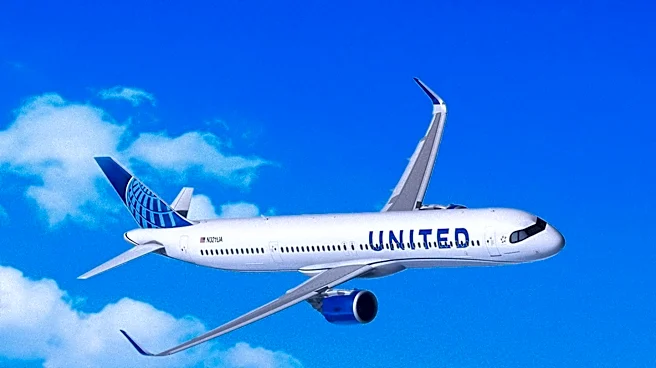
United Airlines and Virgin Atlantic have reported significant success with the implementation of Starlink Wi-Fi on their flights. United Airlines has equipped over 400 aircraft with Starlink, with plans to expand to nearly 1,000 by December. The airline
has noted a substantial increase in Wi-Fi satisfaction scores on these flights. Virgin Atlantic has also seen a dramatic rise in customer satisfaction, with 75% of passengers on A350 flights using Starlink Wi-Fi. Both airlines are leveraging the high-speed, low-latency internet service to enhance the passenger experience, particularly for business travelers.
Why It's Important?
The adoption of Starlink Wi-Fi by major airlines like United and Virgin Atlantic represents a significant shift in in-flight connectivity standards. High-speed internet access is increasingly becoming a critical factor for business travelers who rely on connectivity for productivity during flights. The success of Starlink could set a new benchmark for the airline industry, pushing competitors to upgrade their in-flight services. This development could lead to increased customer loyalty and potentially higher revenues for airlines that offer superior connectivity.
What's Next?
As United and Virgin Atlantic continue to roll out Starlink across their fleets, other airlines may feel pressured to adopt similar technologies to remain competitive. The challenge lies in the logistics of equipping entire fleets with the necessary hardware. Airlines will need to balance the cost and operational disruptions of installations with the potential benefits of enhanced customer satisfaction. The industry will be watching closely to see how these airlines capitalize on their early adoption of Starlink and whether they can effectively market this advantage to attract more passengers.